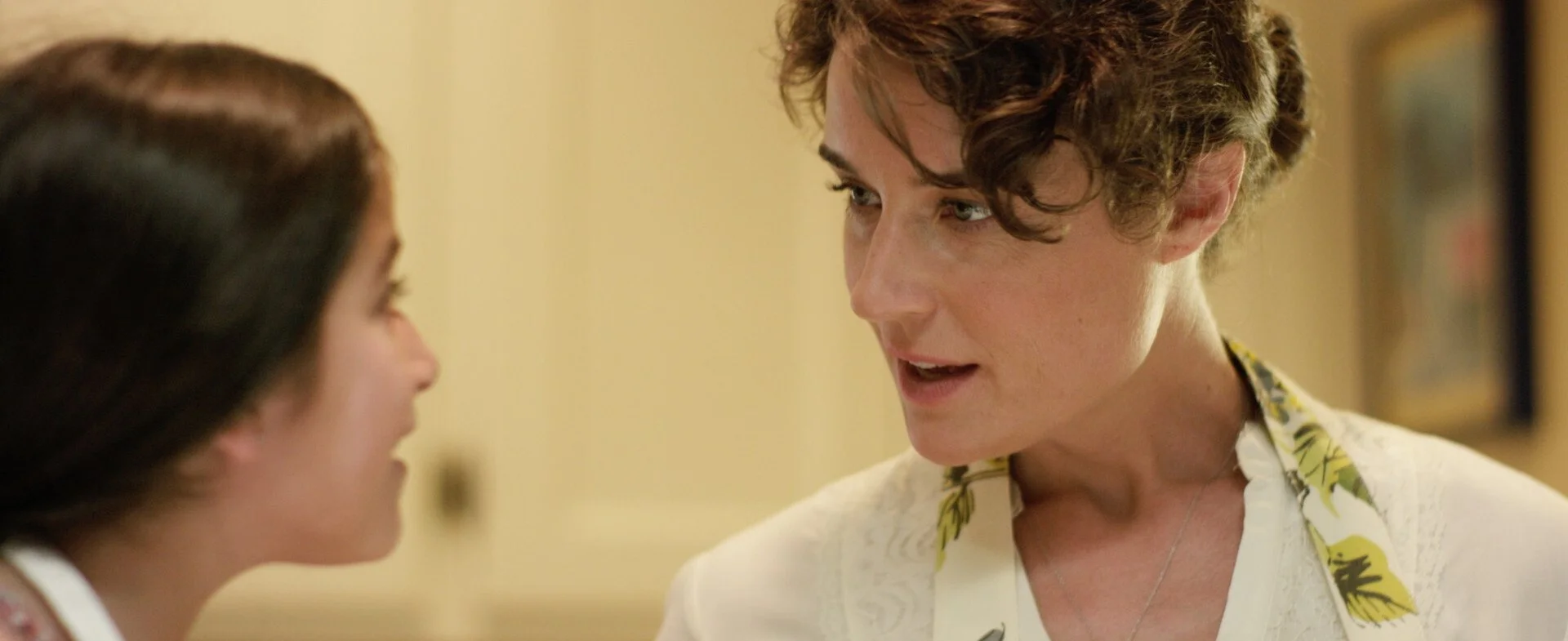
Chocolate
Follow Eve, a housewife and mother who unexpectedly becomes homeless in downtown Los Angeles. Chocolate sparks conversations surrounding the harsh realities faced by those living on the streets, challenging common misconceptions of mental health struggles as mere drug abuse or laziness.
Interview with Writer/Director/Editor Thiago Dadalt
Congratulations! Why did you make your film?
I grew up in a small town in Brazil called Rio Novo, in Minas Gerais state, where I had never seen homelessness. At 17, I moved to São Paulo, a megacity in South America, and was heartbroken by the number of people living on the streets. When I relocated to Los Angeles in 2013, I was shocked to find a similar situation in what many consider a dream city—Hollywood. This profound impact inspired me to tell a story about a character who could be anyone among us, suddenly lost and blending into the homeless crowd.
I wrote it as a fictional story and showed it to my producer, Dru Miller, who loved it and wanted to make it happen. I never imagined that a real, parallel story was unfolding. Just a month after I completed the film, Nancy Paulikas, a 55-year-old woman, went missing in Los Angeles. Her family and friends saw my movie, loved it, and we formed a close bond. This connection led to the creation of a feature film about her case, called Where is Nancy?, now available on Amazon Prime. More info at www.dellenmillerproductions.com
Imagine I’m a member of the audience. Why should I watch this film?
You should watch Chocolate because it offers more than just a cinematic experience—it provides a profound insight into the lives of those often overlooked by society. Through Eve's character (played beautifully by Piercey Dalton), you'll experience the raw realities of homelessness intertwined with the complex issue of early-onset Alzheimer's disease, which adds another layer to her already challenging circumstances.
Chocolate is a call to acknowledge the invisible battles many face and to recognize our shared humanity. I created Chocolate to ignite change and conversation, and by watching it, you become part of this important dialogue. So, I strongly encourage you to watch Chocolate—to understand, to feel, and to make a difference.
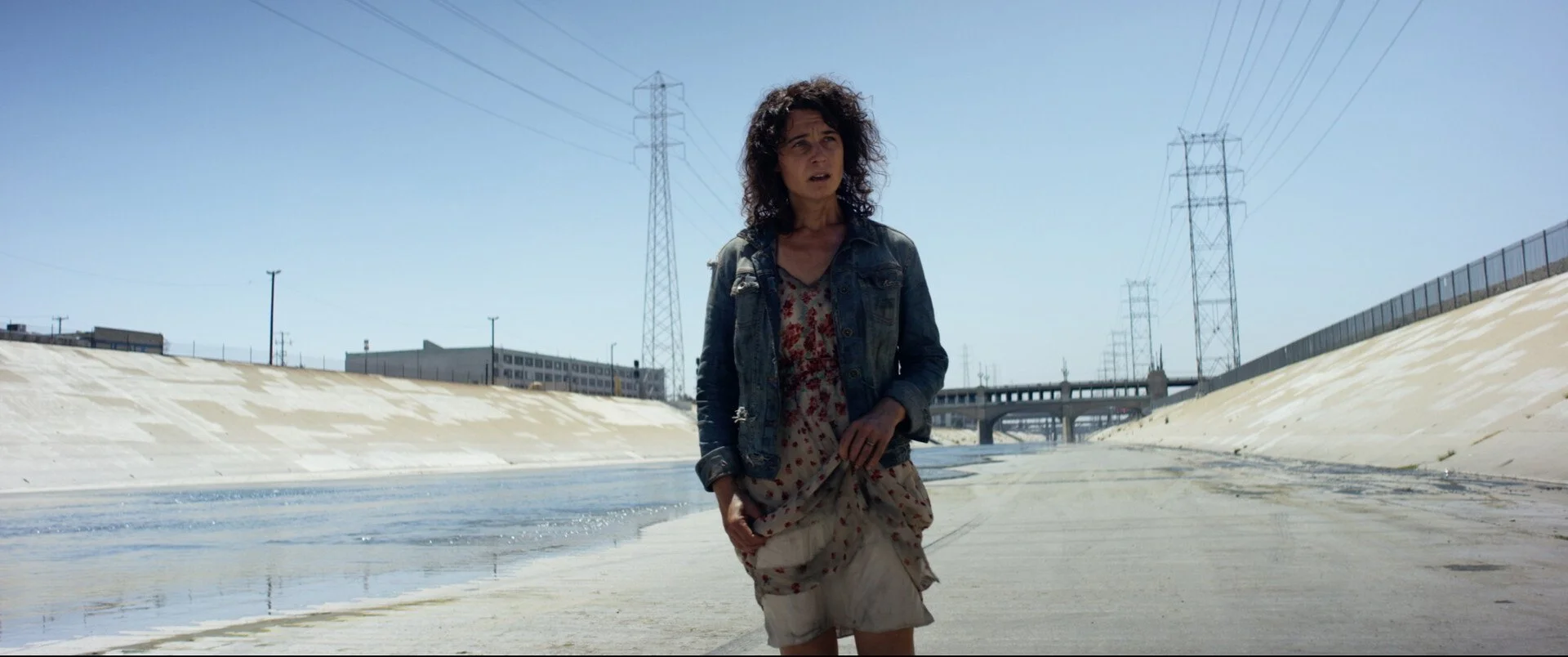
Chocolate - Eve lost as a homeless person in downtown Los Angeles.
How do personal and universal themes work in your film?
In Chocolate, as with my other films produced alongside Dru Miller, our movies both entertain and educate. You'll always leave feeling like you've learned something, which is part of my goal to spark meaningful conversations about social issues and inspire action.
The film depicts Eve's journey into homelessness and her battle with early-onset Alzheimer's, shedding light on often overlooked issues like neglect and invisibility. This approach is consistent across my other films, such as Duke and Beyond, which explore severe autism, and Where is Nancy?, which reveals the real impact of Alzheimer's. These films make personal and relatable the challenges that are frequently ignored, urging viewers to see these issues in a new light and take action.
How have the script and film evolved over the course of their development?
It's a long process. The script is the most crucial part of storytelling, and Dru and I spend as much time as necessary on in-depth research to thoroughly understand the subject matter before we start filming with a crew. We aim to ensure the information in the movie is accurate and helpful, especially in a world rife with misinformation. This diligence requires time and the project evolves as we progress, undergoing changes all the way through to editing, which I like to refer to as a new version of the script.
What type of feedback have you received so far?
I've been very fortunate to work with amazing artists who add so much to the stories I tell, and the feedback has been overwhelmingly positive. Our films have been selected for many prestigious festivals, where I've been lucky enough to meet incredible people and look forward to collaborating with more. Regarding Chocolate, the feedback I've received most often is that 'the movie opened my eyes to homelessness and Alzheimer's.' Hearing this makes me very happy.
Has the feedback surprised or challenged your point of view?
It has confirmed that my team and I were on the right path and made the right choices about each subject matter. I have this feeling from all four projects, and it is gratifying.
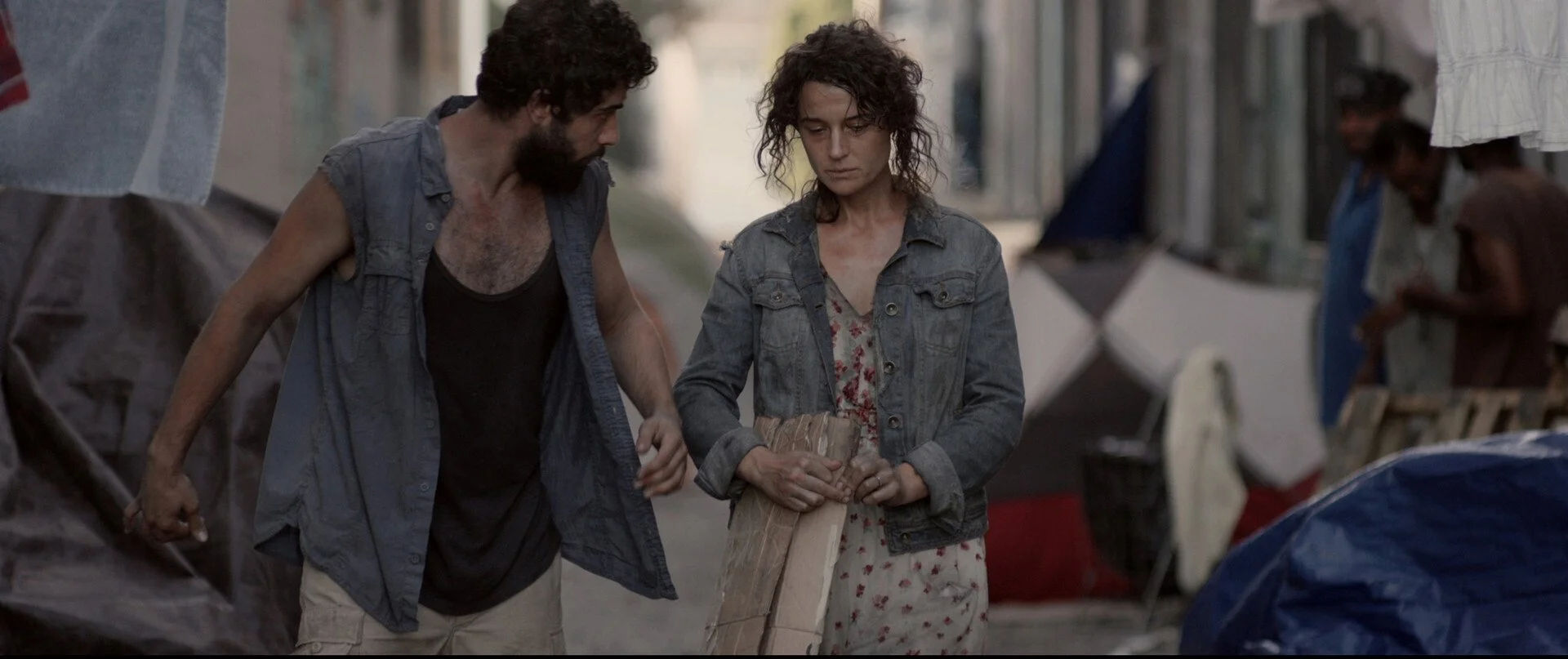
Chocolate - two homeless characters walking down an alley in downtown Los Angeles. The scene captures the gritty urban environment and the somber mood of the setting.
What are you looking to achieve by having your film more visible on www.wearemovingstories.com?
We hope more people will watch Chocolate, get inspired, and help make impactful changes. The movie will be shown on May 23 at the American Pavilion in Cannes, and we hope it will be shown at many other upcoming festivals. Also, please look up our movies that are available to watch right now: Duke, Where is Nancy?, Beyond (To be released on YouTube for free this Sunday, May 12, Mother's Day.) So please subscribe.
Who do you need to come on board (producers, sales agents, buyers, distributors, film festival directors, journalists) to amplify this film’s message?
Dru and I are eager to bring many projects to life and are looking for artists and executive producers to help make this happen. Indie filmmaking is challenging; we dedicate a lot of time to creating meaningful stories that, while not financially lucrative, aim to inspire action. I have a feature film script for Chocolate ready to go.
With homelessness in the USA sharply rising post-pandemic—a critically underreported issue—it's essential to challenge the misconceptions around it through cinema. I invite committed producers, sales agents, buyers, distributors, and journalists to join us in bringing this important story to a wider audience and making a meaningful impact with Chocolate.
What type of impact and/or reception would you like this film to have?
I hope Chocolate deeply moves audiences and ignites discussions about homelessness. I want it to challenge stereotypes and inspire a new understanding and empathy towards the issue. My goal is for the film to entertain and motivate viewers to advocate for change, helping to create a more compassionate society.
What’s a key question that will help spark a debate or begin a conversation about this film?
How does our society's perception of homelessness and mental health influence our response to those in need, and what can we learn from Eve's story in Chocolate to change these perceptions?
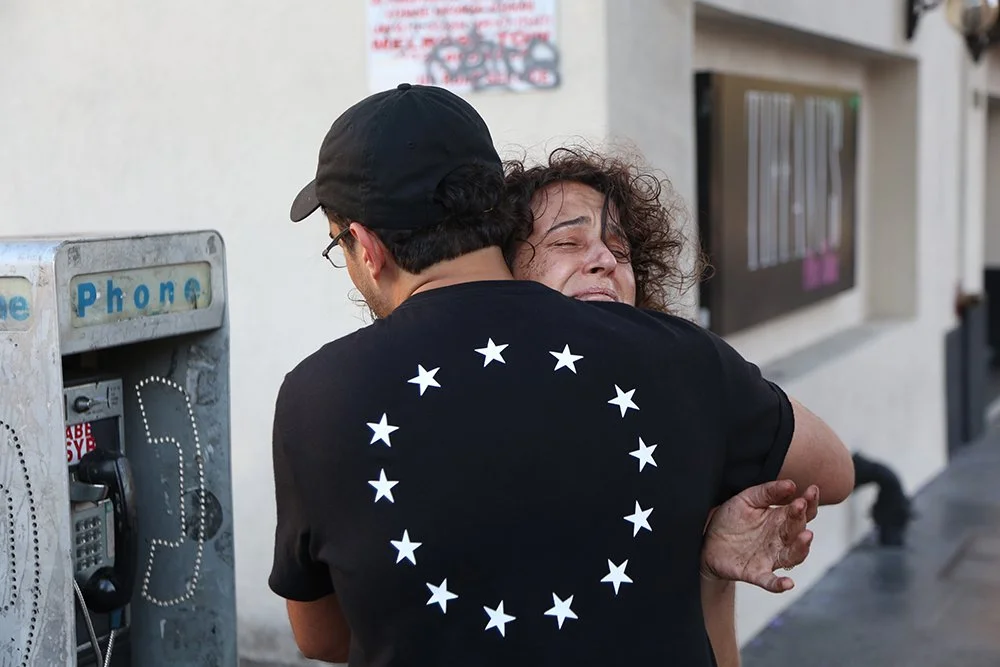
Behind the scenes of Chocolate - Director Thiago Dadalt hugging actress Piercey Dalton on the last shot of the movie, extremely emotional scene.
Would you like to add anything else?
Chocolate was filmed in 2016 and released in 2017. It had a successful run at festivals, but being my first short film in the USA, it was also a significant learning experience. I am grateful for the opportunities it brought and the lessons it taught. This new director's cut, reduced from 22 minutes to 14:30, tells a more poignant story, maybe a version that is supposed to be the first one; time will tell.
It amazes me that this new version has brought us to Cannes 2024, showing how relevant the movie is eight years after we first shot it. I want to express my heartfelt thanks to everyone who made this film possible; D. Ellen Miller Productions and Dru Miller, who believed in the project from the beginning, and everyone who continues to support my filmmaking journey. Your encouragement and support are invaluable, and I am eternally grateful for the opportunity to share stories that matter.
What other projects are the key creatives developing or working on now?
I am currently writing with Dru Miller a captivating project about the foster care system. Back in time, we produced a pilot for a TV show titled 'Life on a Leash' and are eagerly hoping it gets picked up. Additionally, we are exploring the opportunity to expand Chocolate into a feature film. This is an exciting time, and we are looking for visionary producers and executives to join us in bringing these impactful stories to life. So please, get in contact at dru@dellenmillerproductions.com and visit www.dellenmillerproductions.com
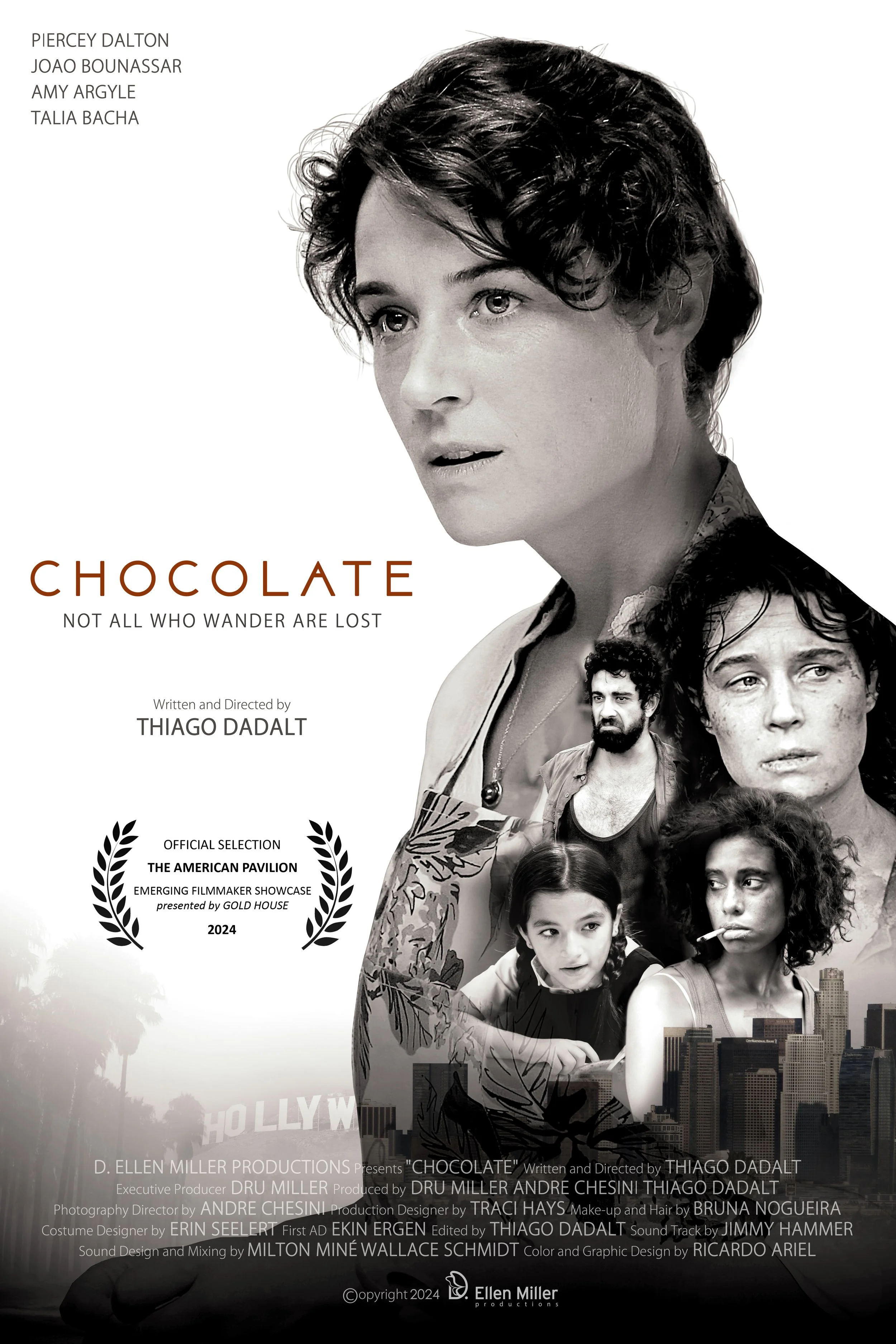
Chocolate poster
Interview: May 2024
We Are Moving Stories embraces new voices in drama, documentary, animation, TV, web series, music video, women's films, LGBTQIA+, POC, First Nations, scifi, supernatural, horror, world cinema. If you have just made a film - we'd love to hear from you. Or if you know a filmmaker - can you recommend us? More info: Carmela
Chocolate
Follow Eve, a housewife and mother who unexpectedly becomes homeless in downtown Los Angeles. Chocolate sparks conversations surrounding the harsh realities faced by those living on the streets, challenging common misconceptions of mental health struggles as mere drug abuse or laziness.
Length: 14:30
Director: Thiago Dadalt
Producer: Dru Miller
Writer: Thiago Dadalt
About the writer, director and producer:
THIAGO DADALT is a talented and visionary self-taught filmmaker from Brazil known for his thought-provoking and emotionally resonant films. He started his career writing and directing stage plays in his home country before launching his first short film, The Postman, in 2007 when he was 22. In 2013, Thiago Dadalt relocated to Los Angeles, California, to pursue his career in filmmaking. His films have earned critical acclaim and numerous accolades, highlighting important social issues and giving a voice to those often unheard. His short film Chocolate explores the impact of early-onset Alzheimer's and the homeless community in Los Angeles. Duke, dealt with the complexities of severe autism. The movie was officially selected at several major film festivals, including HollyShorts, Raindance, Austin Film Fest, American Pavilion at Cannes, Cleveland, and Oscar qualified in 2019. The Autism Society of America has proudly endorsed it. In 2022, Thiago debuted as a feature documentary filmmaker with Where is Nancy? The film tells the story of Nancy Paulikas, a woman diagnosed with early-onset Alzheimer's who disappeared while visiting the Los Angeles County Museum of Art in 2016. Thiago’s insightful and poignant view of Nancy's life and disappearance earned him the Best Documentary award at the Cinequest Film Festival 2020. His latest project is a feature documentary about Tamara Mark, a single mother fighting to create an autism community for her two nonverbal autistic young adults. Through his powerful storytelling and masterful directing, Thiago continues to impact the world of cinema significantly, highlighting critical social issues and giving a voice to those often unheard.
DRU MILLER is the head of D. Ellen Miller Productions. She has spearheaded numerous film and television projects including the award-winning Duke about severe autism, Where is Nancy? and Beyond. Her other projects include Life on a Leash and 2nd Time Around for which she serves as executive producer, creator and writer. She is the producer and executive producer of Chocolate.
Key cast: Piercey Dalton, Amy Argyle, João Bounassar
Looking for: film festival directors, producers
Facebook: Thiago Dadalt
Twitter: @Thiago DaDalt
Instagram: @thiagodadalt
Hashtags used: #Chocolateshortfilm #ChocolateCannes2024 #Homelessness #Alzheimer's
Website: D. Ellen Miller Productions
Other: IMDb, Chocolate: Director’s Cut
Funders: Dru Miller, Executive Producer
Where can I watch it next and in the coming month?
May 23 at the American Pavilion in Cannes