Wastewater: A Tale of Two Cities
Critical to the environment, public health, and quality of life, wastewater infrastructure in Alabama - and throughout the US - suffers from decades of lack of investment and racial discrimination, and is increasingly threatened by the changing climate.
Interview with Director/Editor Sarah Franke
Congratulations! Why did you make your film?
Thank you!
I made this film as a Southern Exposure Fellow with the Alabama Rivers Alliance - it's a great program that brings documentary filmmakers from around the US to Alabama to make films about environmental topics. ARA provided me with the general topic of "water infrastructure," and some really vital contacts to get started.
After doing some initial research and speaking with those contacts, it became apparent that there was an environmental justice story to be told about which communities have access to sufficient wastewater infrastructure and which ones don't - following that story is what led me to many of the community activists and officials who appear in the film.
Imagine I’m a member of the audience. Why should I watch this film?
Many of us don't think about water infrastructure. If we're able to turn on a faucet and get clean water, or flush a toilet without worrying about sewage reappearing in our street, our yard, or inside our home, then we haven't necessarily had much reason to think about the complex systems that allow that to happen.
I learned while making the film, and audience members will learn from watching it, that we do need to be thinking about these systems. And as the climate continues changing, more and more households in more and more communities will begin to experience challenges related to water infrastructure. We need to be righting wrongs, and we also need to be prepared for the future.
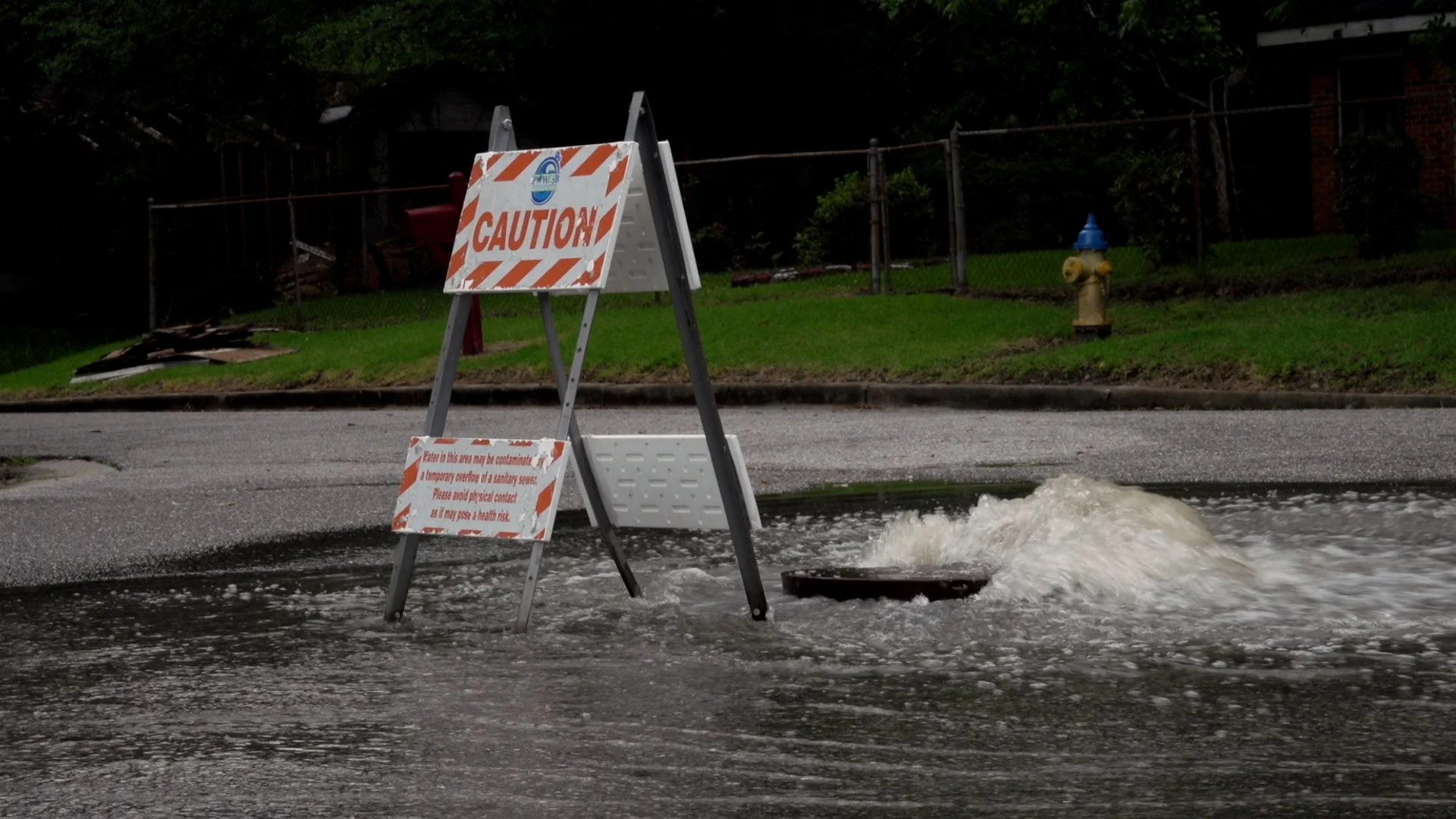
Wastewater: A Tale of Two Cities - A sanitary sewer overflow in Prichard, Alabama.
How do personal and universal themes work in your film?
The issues presented in Wastewater are personal to the people experiencing them, and the infrastructure challenges they are facing are specific to Alabama's geography and climate - but versions of these issues exist in all of our local communities. Caring about people and our planet is universal.
How have the script and film evolved over the course of their development?
I think when I set out to make this film, I hoped there'd be an answer. I learned that the solutions to these issues can be quite complicated - the intricacies of the politics and the funding, which committee has to approve what, etc. etc.
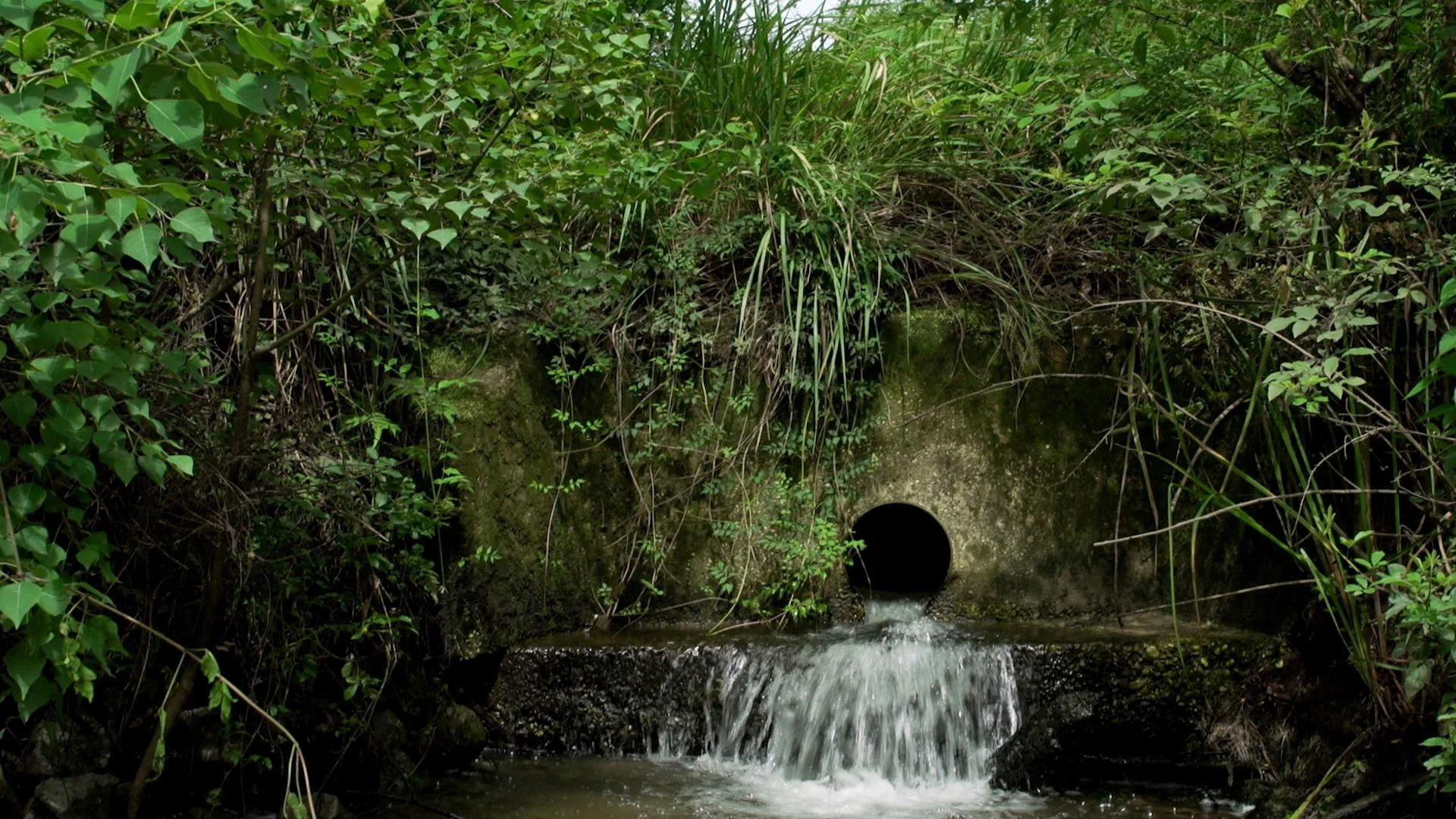
Wastewater: A Tale of Two Cities - An outfall near Mobile, Alabama.
What are you looking to achieve by having your film more visible on www.wearemovingstories.com?
The more people who watch the film and engage with the topic, the better! The point of making this film was for people to see it, so any visibility helps.
What type of impact and/or reception would you like this film to have?
I would like the film to start conversations. As you’ll see in the film, the residents of environmental justice communities have been doing everything within their power to enact change, and to this point, it hasn’t been enough. Those of us outside of the EJ communities need to be talking about it - to our friends, and to elected officials… we need to show that it matters to us too.
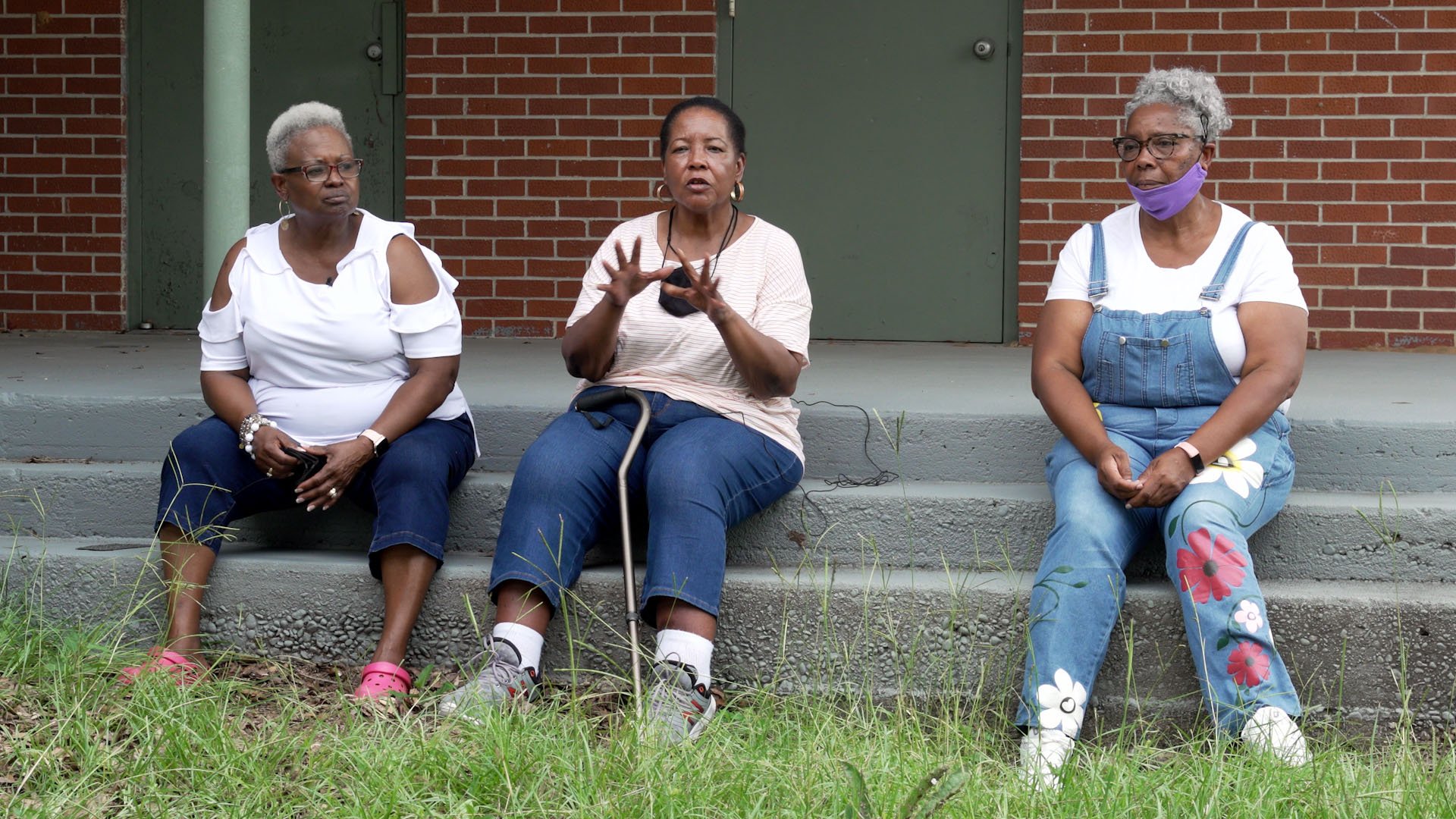
Wastewater: A Tale of Two Cities - Residents of the Madison Park community in Montgomery, Alabama.
What’s a key question that will help spark a debate or begin a conversation about this film?
Look into what versions of these issues exist in your own cities and communities. Where is the outdated infrastructure located? Where are the landfills and big industrial plants? Who is lacking access to things you take for granted or dealing with challenges you haven't had to? And what resources could be redirected to help with that?
What other projects are the key creatives developing or working on now?
I recently produced an indie narrative feature film called Provo, about an ex-Mormon who road trips to Provo, Utah to reckon with her past. It's the debut feature from writer/director Emma Thatcher (she stars in the film too!). We're nearing the end of our festival run right now, and audiences around the country and internationally have been really connecting with the film. Hopefully, we'll have that available for streaming soon!
I'm also in the (very) early stages of developing a feature documentary, about wetlands!
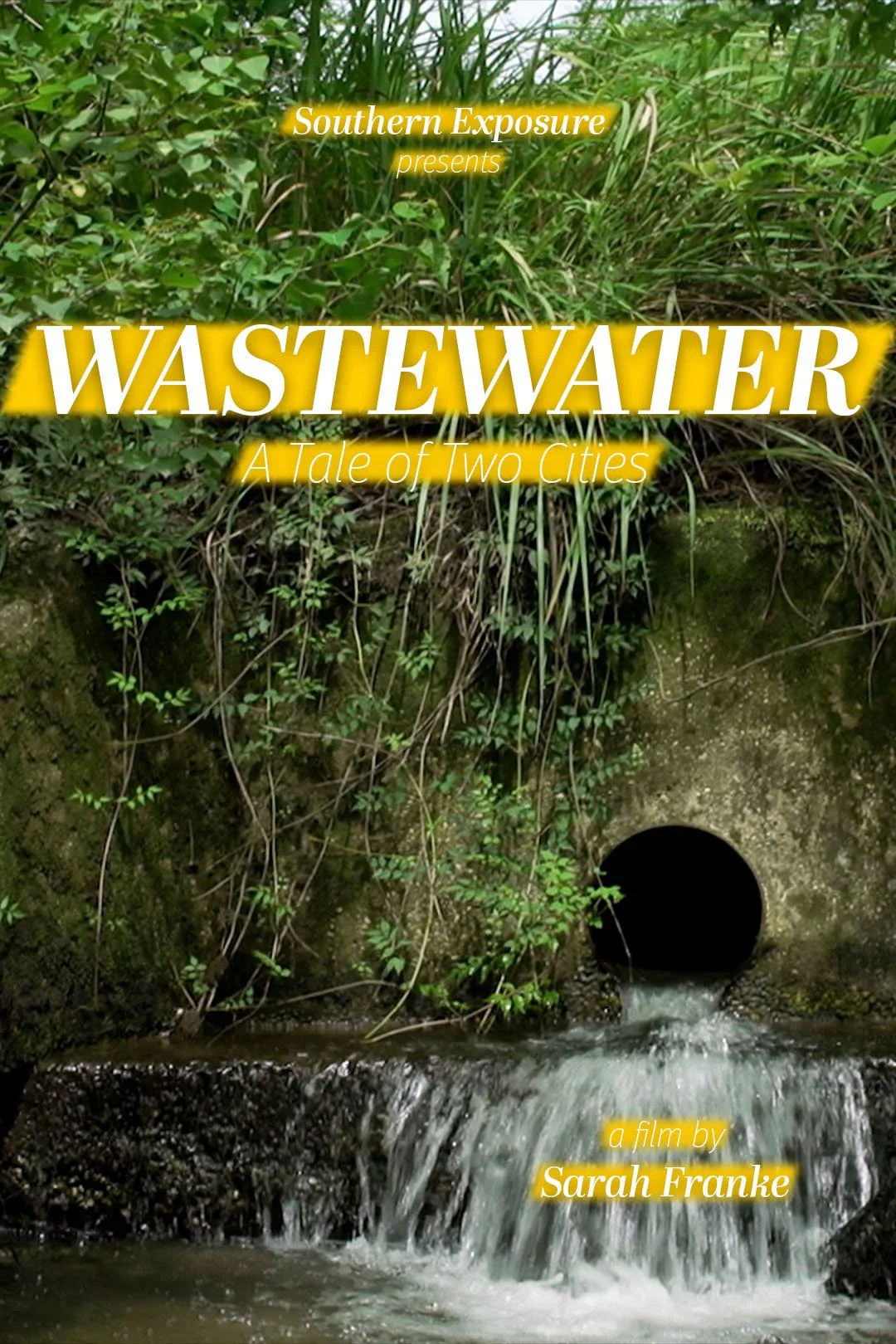
Wastewater: A Tale of Two Cities poster
Interview: July 2023
We Are Moving Stories embraces new voices in drama, documentary, animation, TV, web series, music video, women's films, LGBTQIA+, POC, First Nations, scifi, supernatural, horror, world cinema. If you have just made a film - we'd love to hear from you. Or if you know a filmmaker - can you recommend us? More info: Carmela
Wastewater: A Tale of Two Cities
Critical to the environment, public health, and quality of life, wastewater infrastructure in Alabama - and throughout the US - suffers from decades of lack of investment and racial discrimination, and is increasingly threatened by the changing climate.
Length: 22:16
Director: Sarah Franke
Producer: Alabama Rivers Alliance
Writer: Sarah Franke
About the writer, director and producer:
SARAH FRANKE is a Chicago-based filmmaker and photographer. She is interested in delving into the complex relationships that exist between humans and their environment, and employing honest storytelling to explore the ethos of people and places. Drawn to stories with environmental or social impact, she aims to produce work that can engage, inform and resonate with diverse audiences.
ALABAMA RIVERS ALLIANCE is a statewide network of groups working to protect and restore all of Alabama’s water resources through building partnerships, empowering citizens, and advocating for sound water policy and its enforcement.
Twitter: @tobefranke
Instagram: @2bfranke
Website: sarahfranke.com
Other: IMDb
Made in association with: Alabama Rivers Alliance
Where can I watch it next and in the coming month?
Melbourne Documentary Film Festival/Melbourne, Australia - 23 July, 2023;
Available online @ https://vimeo.com/591286920