Hot Docs 2019 / 59th Krakow Film Festival – Wongar
Australian writer Wongar lives a secluded life taking care of his six dingoes which he believes embody the spirits of his tragically lost Aboriginal family.
Interview with Director Andrijana Stojkovic
Congratulations! Why did you make your film?
I’ve always been fascinated by Australia. I was spellbound by the images of its vast spaces. I was even hopeful that it might one day accept me too, fleeing from Europe and armed conflicts. I was especially interested in the Aborigines and their culture because of the fact that in the 600 Aboriginal dialects there’s no word for war.
Among the books about Australia, I found a collection of stories written by a man called B. Wongar. I was shocked to discover he was, in fact, my countryman, and that his Serbian name was Sreten Božić. My big interest in Wongar stemmed from the realization that a documentary about him provided me with the opportunity to record enormous areas of experience.
Imagine I’m a member of the audience. Why should I watch this film?
The documentary shows the story of the plight of Australian aborigines from an unexpected angle - from the point of a Serbian man whose become an Aborigine and whose shared their destiny throughout the second half of the 20th century.
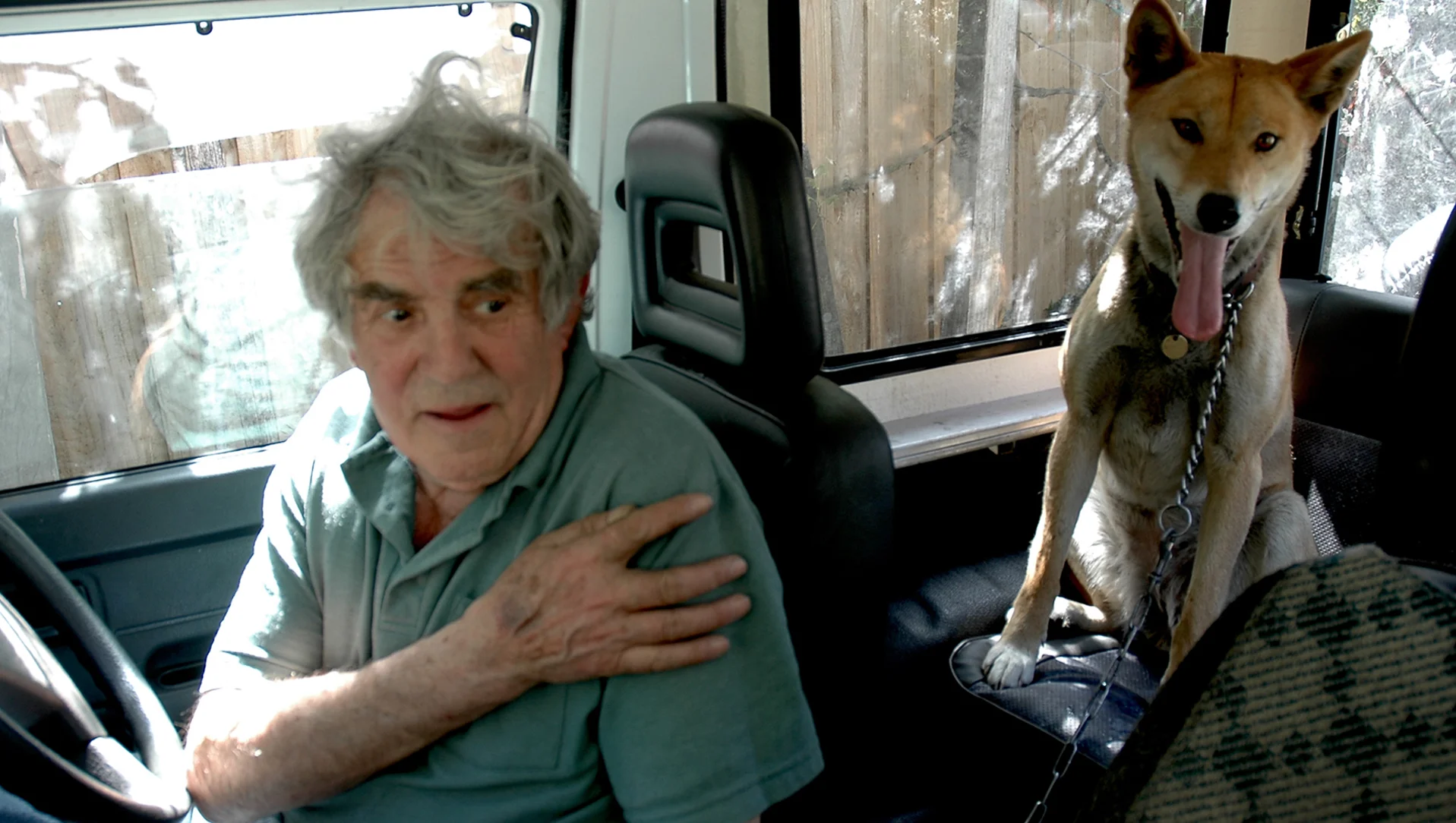
Wongar
How do personal and universal themes work in your film?
There is much to be learned from a life in which Australia meets Serbia, a white man cherishes a woman of different culture and skin color, the 21st century reaches out for the wisdom of a lifestyle 60.000 years old. Wongar’s complex multicultural encounters touch areas in which much rethinking needs to be done.
How have the script and film evolved over the course of their development?
When we set off to Australia for the filming, the plan was that we'll take the road through Australia with Wongar but when we arrived in Melbourne I understood it would be impossible. Wongar was so occupied with the illness of his longtime companion, dingo Timmy, that going on the road with the film crew was not an option. So, I had to change my plan, my script, my filming style and actually the way I will tell the story of Wongar. I think it was a good setback - instead of retelling events from the past I've tried to find a situation in the present that could picture Wongar's deep connection with Australian aborigines.
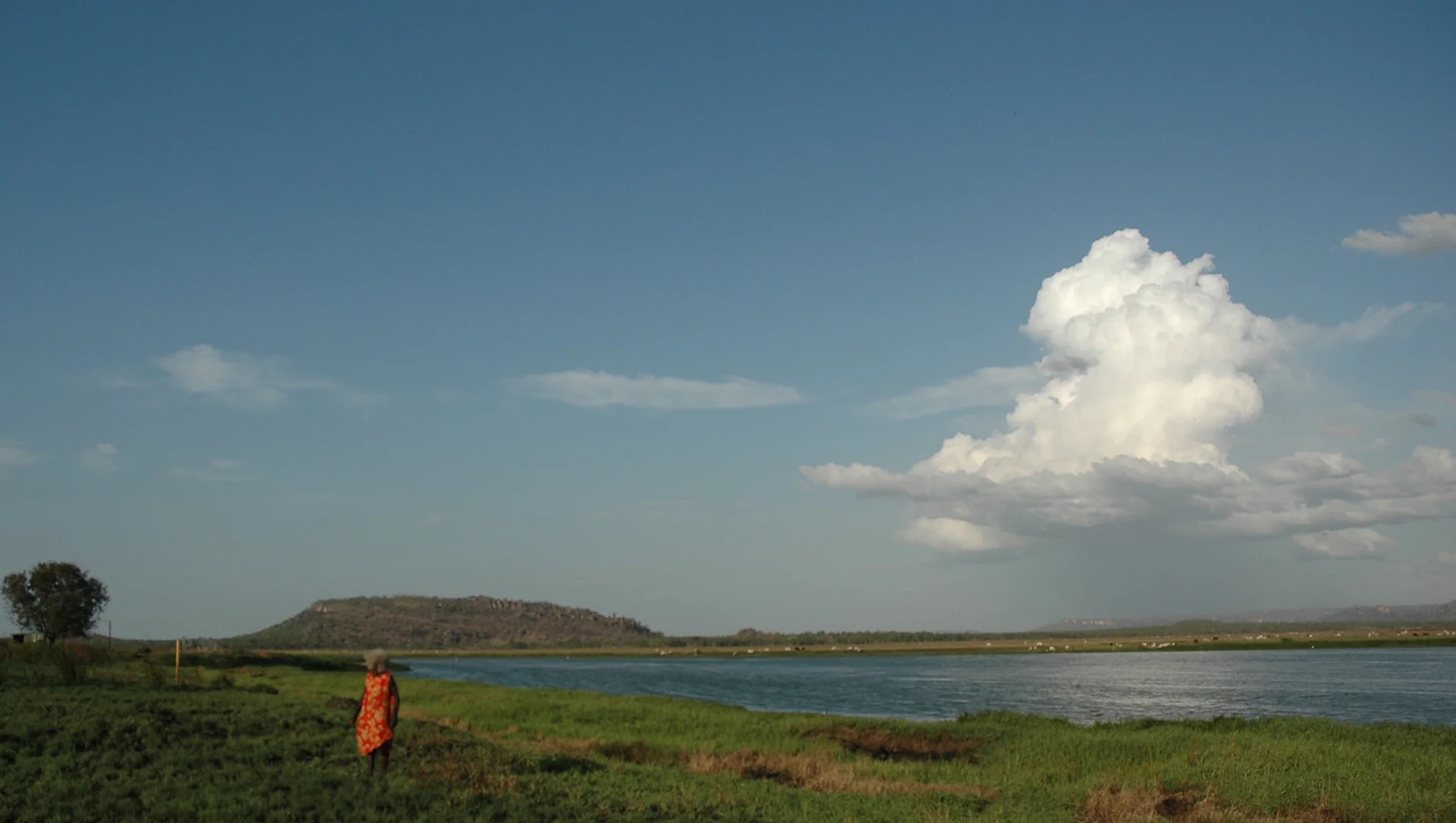
Wongar
What type of feedback have you received so far?
It's a demanding film to watch, I believe. It has a slow pace, things are not explained and there's a strange interweaving of past and present, real world and spiritual worlds. But the best feedback I received about it is that one wants to watch more and that film grows in the mind after the screening is over. Many people wrote to tell me that they have to spend nights reading about Wongar and Australia after watching the film.
Has the feedback surprised or challenged your point of view?
I have also received feedback about people wanted to know more while watching the film. And this is something that a director has to think about. Maybe choosing this way of telling the story the film will be watched by a limited number of people. On the other hand, I met a 5-year-old who watched it with great interest and patience.
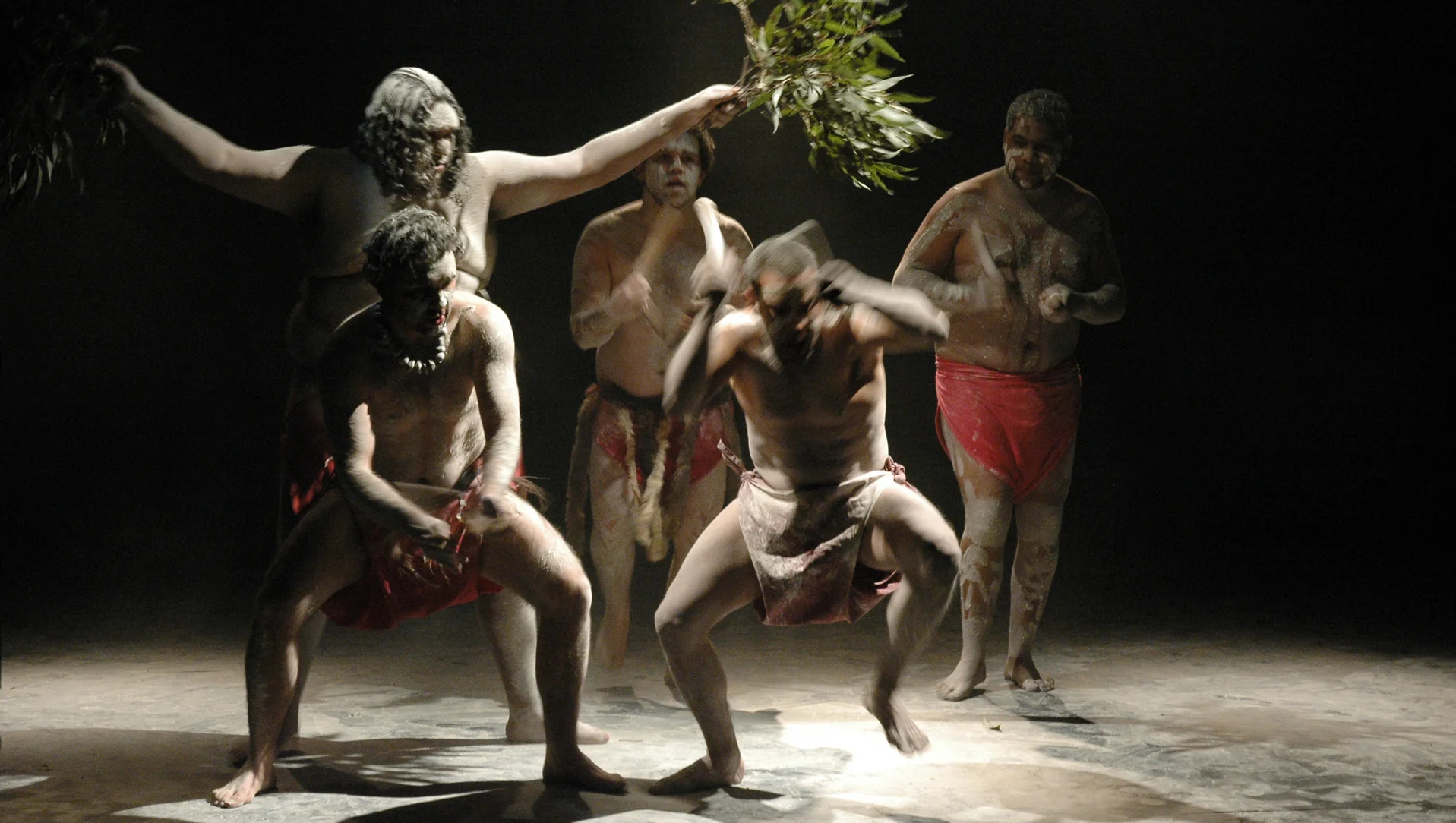
Wongar
What are you looking to achieve by having your film more visible on www.wearemovingstories.com?
First of all, I would like to spread the word about Wongar - the documentary - and Wongar - the writer. I think that looking for the audience nowadays has very different forms and paths.
Who do you need to come on board (producers, sales agents, buyers, distributors, film festival directors, journalists) to amplify this film’s message?
I've really shot this film and edited it for the big screen. And it "works" best in the cinema theatre when a person switched off the phone, goes silent in the dark and watches the piece of the world on a screen. First of all, I'm interested in film festivals and cinema distributors.
What type of impact and/or reception would you like this film to have?
I think that the question of indigenous people has been neglected, sometimes intentionally overlooked for many years. Even centuries. Our civilisation has underestimated everything that is foreign and different. I would like this film to reopen these topics.
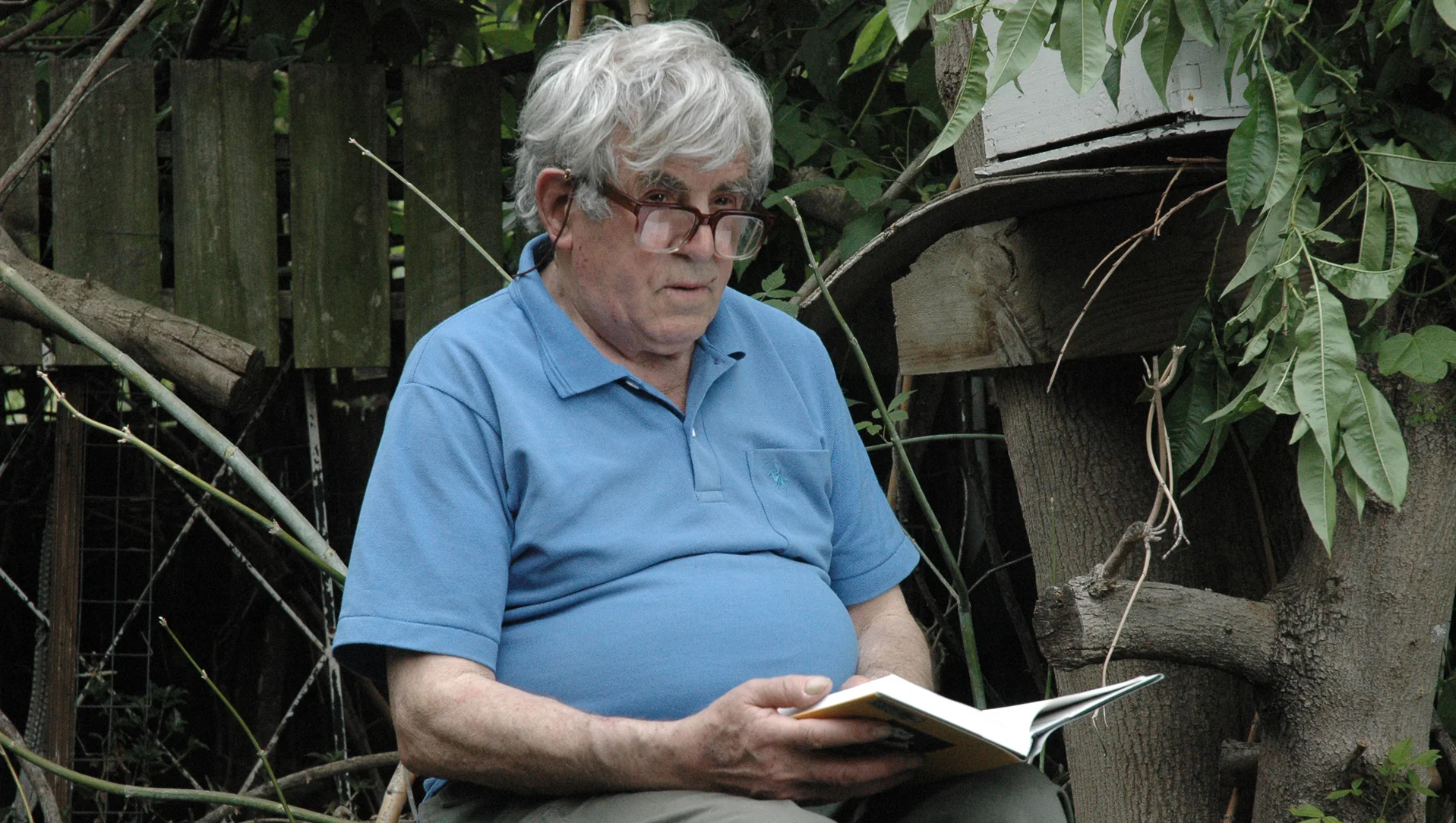
Wongar
What’s a key question that will help spark a debate or begin a conversation about this film?
What has Wongar witnessed in Australia during the second part of the 20th century?
Would you like to add anything else?
Wongar is an award-winning translated writer. His novels and short stories have been published all around the world. It is a really unique introduction into a millenniums-old Aboriginal culture.
What other projects are the key creatives developing or working on now?
I've just finished a new documentary I Am What I Am - The Story of Gipsy Mafia about two brothers - Skill and Buddy - who have been making hip-hop for over ten years and releasing DIY albums. In their native Serbia, they belong to the disadvantaged Roma population and in Germany, where they live now, they are migrant workers with a temporary residence permit. In their songs, they fiercely criticize racism, segregation of Roma and neo-liberal capitalism. The film will have its domestic premiere on May 14th 2019 at Beldocs Festival in Belgrade (Serbia). My next project is a feature fiction film. It's been eight years since my last feature and I'm "hungry" to work on fiction.
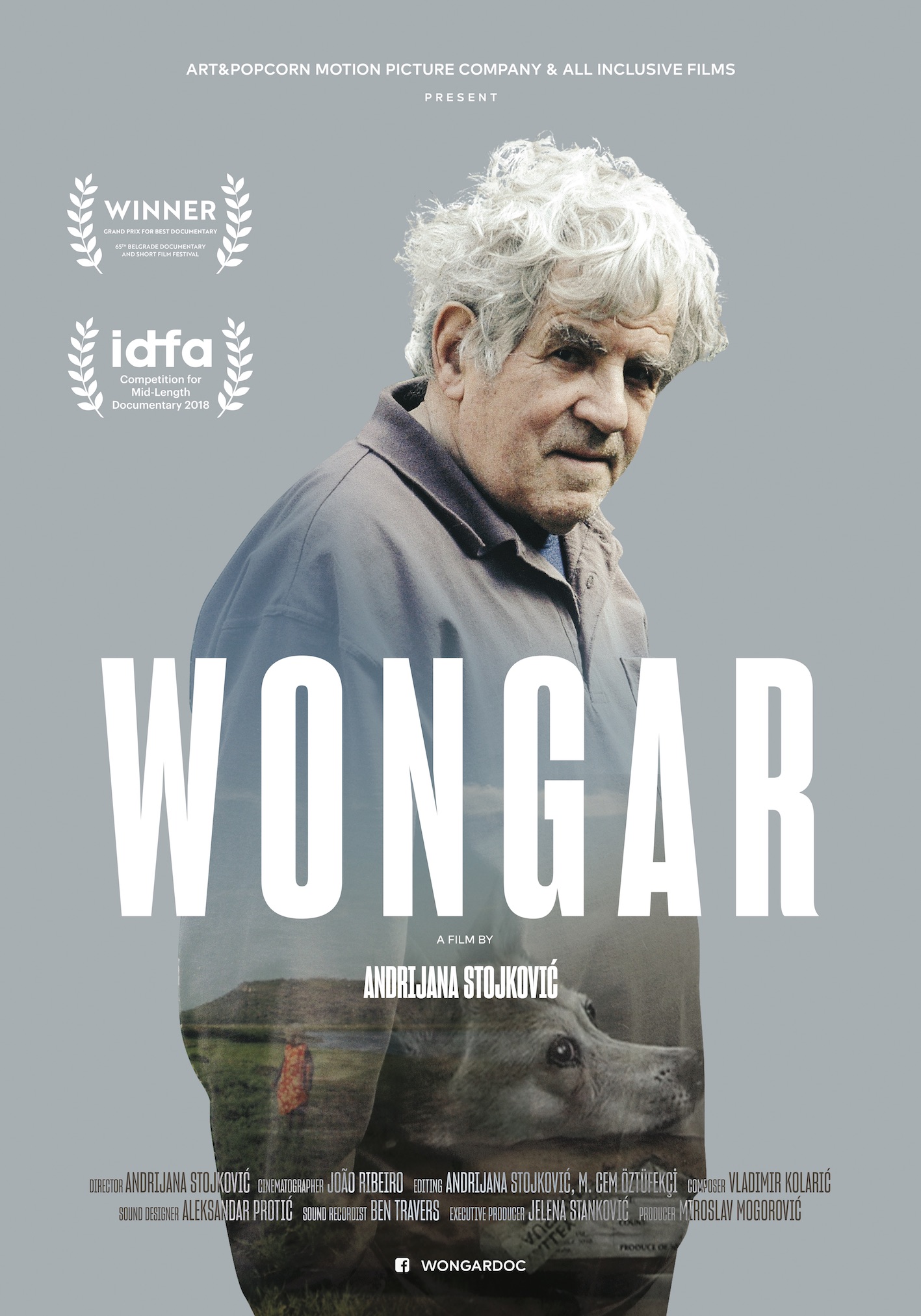
Wongar poster
Interview: April 2019
We Are Moving Stories embraces new voices in drama, documentary, animation, TV, web series, music video, women's films, LGBTQIA+, POC, First Nations, scifi, supernatural, horror, world cinema. If you have just made a film - we'd love to hear from you. Or if you know a filmmaker - can you recommend us? More info: Carmela
Wongar
Australian writer Wongar lives a secluded life taking care of his six dingoes for which he believes embody the spirits of his tragically lost Aboriginal family.
Length: 1:00:00
Director: Andrijana Stojkovic
Producer: Miroslav Mogorovic
Writer: Andrijana Stojkovic
About the writer, director and producer:
ANDRIJANA STOJKOVIC is an Assistant Professor of Documentary Directing at the Faculty of Dramatic Arts in Belgrade. She holds an MA in Film and TV Directing. She's the author of seven short fiction films, eight short documentary films, two mid-length and one feature fiction. Her films were screened and awarded at festivals like IDFA, HotDocs, Krakow FF, Rotterdam FF, FidMarseille, Raindance FF, Sofia FF, Havana FF, etc.
MIROSLAV MOGOROVIC was born in 1972. In 2002, he became executive producer of the Belgrade International Film Festival, biggest and oldest Serbian film festival. He remains executive producer till autumn 2006. In the frames of its 34th Edition, he established the Belgrade Industry Meetings B2B, with focus on non-EU countries. In spring 2004, together with the group of young film professionals, he established ART & POPCORN Motion Picture Company and entered the production market independently.
Looking for: film festival directors, buyers
Facebook: Wongar
Hashtags used: #wongardoc
Where can I watch it next and in the coming month? Hot Docs Canadian International Documentary Festival/TIFF Bell Lightbox 3 - 2019/05/03; 59th Krakow Film Festival/Krakow - 2019/05/28