Chicago Feminist Film Festival/Ethnografilm 2019 – Strangers Ourselves
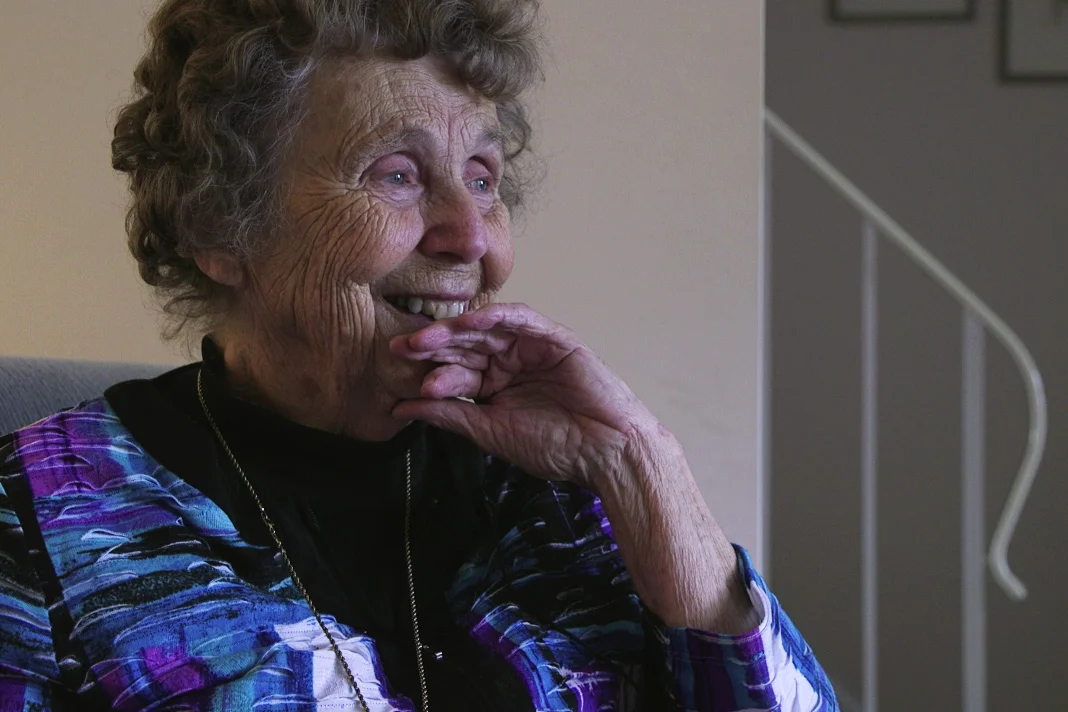
Eighty-six-year-old Elizabeth Rapley has sponsored ninety-two refugees since 1979, helping them resettle in Canada. At a time of global refugee crisis, this short documentary explores the everyday facets of extraordinary acts of offering and seeking refuge.
Interview with Writer/Director/Producer Lora Murray
Congratulations! Why did you make your film?
The short answer: course credit. Or rather, I knew I had to make a film to graduate from NYU’s program in Culture and Media. I made this film as a white Canadian woman living in New York in 2017. I made this film as someone enraged by the rising tide of nativist xenophobia and the way it was changing possibilities of belonging for so many fellow “nonresident aliens” who were less American-passing than I.
But I also made this film because I was dissatisfied with the way that so many people I knew were getting behind the idea of Canada as a kind of vague multicultural utopia. I wanted to complicate that to some extent and knew my grandmother’s longtime work as a refugee activist – ever since the late 1970s – would help do that.
Imagine I’m a member of the audience. Why should I watch this film?
Watch the film because my grandmother is great, (mostly) unsentimental, brilliant, and fearless. She’s one of the only people I know who practices ally-ship on an everyday basis, though she never has and never will call it that. Watch the film if you would like to see non-sensationalist coverage of refugees. It dwells on the everyday challenges different families have experienced over time as they settle in Canada. Watch the film for some historical and cultural perspective on how Canadian citizens are able to personally bring refugees over through “private sponsorship.”
How do personal and universal themes work in your film?
Trained in cultural anthropology, I wholly believe in the ability for the idiosyncratic, the mundane, and the particular to speak to – and often complicate – the critical commonsense of how structures of power, history, and society operate. From the beginning, then, I believed that the personalities and personal stories of my subjects would offer insight into themes of universal interest. More specifically, issues of displacement and belonging, cultural difference and relation, ethics and empathy radiate out from the little things that make up the lives of my grandmother and the refugee families she has sponsored.
Inheritance
How have the script and film evolved over the course of their development?
One of the biggest changes in the film was that it went from being a more intellectually-driven project to one that recognized the profound power of the simple act of following people and their stories. This was in part because I learned more about my grandmother’s life in the month of filming than I had in thirty years of being her granddaughter. I learned that she lost a sense of home at a young age and that her work as a refugee activist was one way to recreate a sense of place. I didn’t realize this going in.
One of the refugees, Samneang, has also been in my life from the time I was born. We’re quite close; in part, because she has premonitions and will call me up to predict big life events. But we had never talked about her experience fleeing Cambodia, her life before the Khmer Rouge, or the challenges of settling in Canada. I didn’t know her memories would become a focus of our time filming together. In both cases, it meant I hadn’t anticipated needing archival materials. A testament to being a first-time filmmaker, it also speaks to the ways the film was changing as I was shooting because I was still learning or re-learning on the fly.
What type of feedback have you received so far?
People have been kind, more so than I expected. But it’s still early!
Has the feedback surprised or challenged your point of view?
I have noticed and am pleasantly surprised by the way the film seems to spur viewers to dig into, reflect upon, and share their family histories. I’ve had a number of people say it reminds them of something in their own past, or alternatively, who realize that (like me) they don’t really know much about their grandparents’ lives.
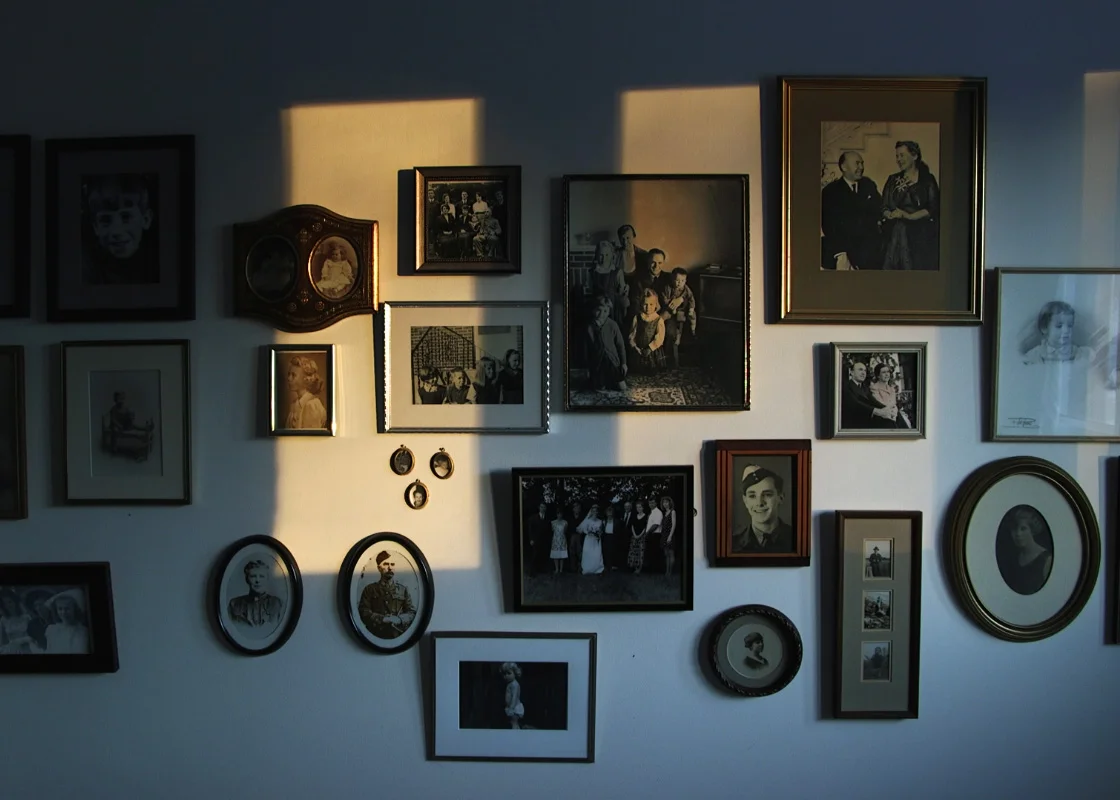
I've come to think of this as important work: In figuring out what exactly our inheritance is, I think we can improve inter-generational connection at a time when, for example, so much of the US election was divided along such lines. And here, I mean “inheritance” in the broadest sense of the term, i.e., traumas caused and felt, mobilities remembered and forgotten, et cetera.
What are you looking to achieve by having your film more visible on www.wearemovingstories.com?
I’m hoping that folks will learn about it and go watch it; that journalists will do the same and discuss it; that distributors and festival directors will help me get it out there; and that more people feel empowered to document these kinds of personal histories.
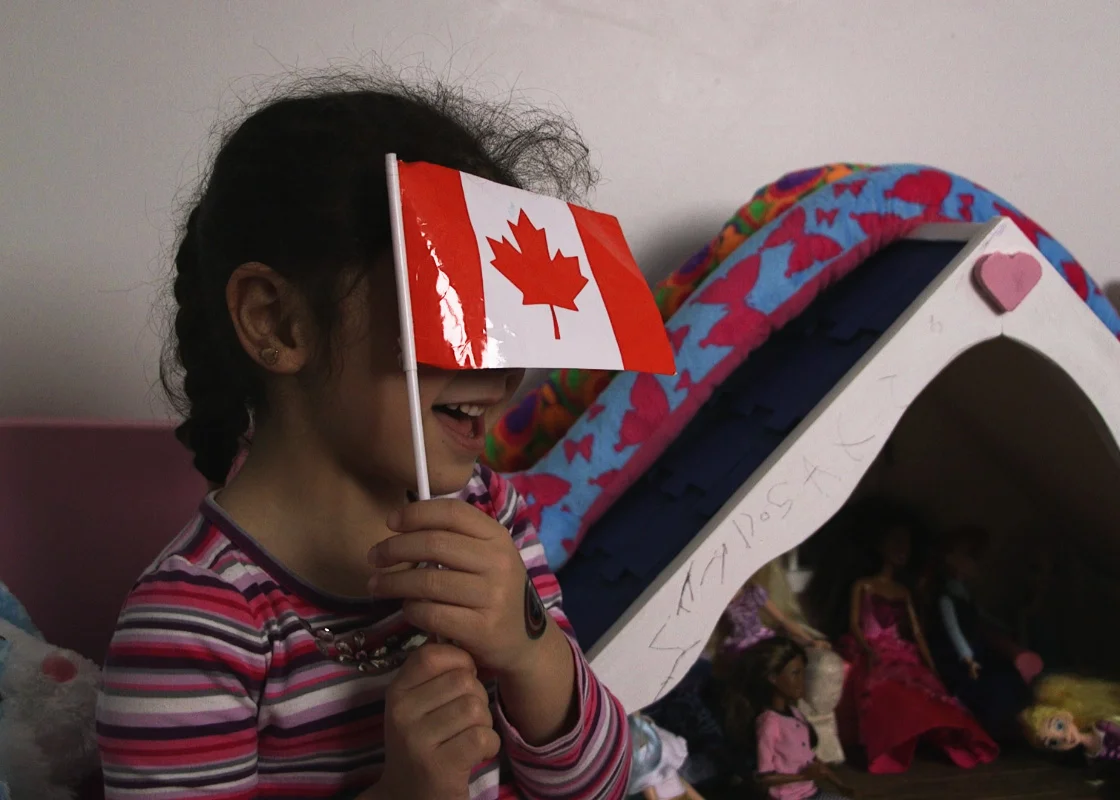
Damiana singing a new version of the anthem
Who do you need to come on board (producers, sales agents, buyers, distributors, film festival directors, journalists) to amplify this film’s message?
Right now, I would be thrilled to have distributors, film festival directors, journalists, and buyers come onboard. Bring them all on!
What type of impact and/or reception would you like this film to have?
I would love to see it be circulated throughout classrooms, community organizations, churches and other spaces where it might spark debate and dialogue on issues related to borders, refugees, and immigration, as well as whiteness, ageism, and settler colonialism.
What’s a key question that will help spark a debate or begin a conversation about this film?
I’m going to cheat and give a three-part question: (a) Should individuals be responsible for helping refugees resettle or shouldn’t government just be doing more? (b) If individuals are responsible, what refugees are being sponsored by and why? In other words, (c) what forms of discrimination – for example, Islamophobia – might circulate within such a program?
What other projects are the key creatives developing or working on now?
I am currently filming for a new project that looks at environmental change in India – specifically, agricultural intensification – and some of the problems this has caused, including, urban to rural migration, pollution, and the loss of biodiversity.
Interview: February 2019
We Are Moving Stories embraces new voices in drama, documentary, animation, TV, web series, music video, women's films, LGBTQIA+, POC, First Nations, scifi, supernatural, horror, world cinema. If you have just made a film - we'd love to hear from you. Or if you know a filmmaker - can you recommend us? More info: Carmela
Strangers Ourselves
Eighty-six-year-old Elizabeth Rapley has sponsored ninety-two refugees since 1979, helping them resettle in Canada. At a time of global refugee crisis, this short documentary explores the everyday facets of extraordinary acts of offering and seeking refuge.
Length: 19:00
Director: Lora Murray
Producer: Lora Murray
Writer: Lora Murray
About the writer, director and producer:
LORA MURRAY is a documentary filmmaker, photographer, and PhD candidate in the Department of Anthropology at New York University. She holds undergraduate and master’s degrees from Columbia University and the University of Toronto, as well as a graduate certificate in Culture and Media from NYU Tisch School of the Arts. She has worked as an activist on issues related to place, mobility, and livelihood since 2014. Her research and writing have appeared in scholarly as well as popular publications, including, Visual Anthropology Review, Anthropology Now, and Ephemera Magazine.
Looking for: distributors, journalists, film festival directors, buyers
Website: www.strangers-ourselves.com
Funders: Self-funded
Where can I watch it next and in the coming month? Chicago Feminist Film Festival/Chicago -- Friday March 1st @ 3 pm; Ethnografilm/Paris -- April 16th - April 20th