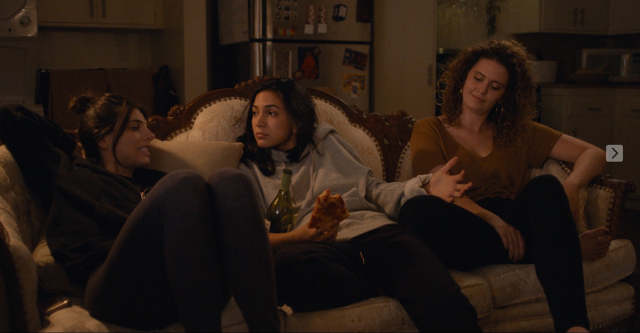
Natural Disasters
Three friends in their mid-20's struggle to navigate their professional and personal lives, colliding head on with the messy, hilarious and dreadful growing pangs of adulthood.
Interview with Writer/Director Dakota Gorman and Producer Nicole Rio
Congratulations! Why did you make your film?
DAKOTA: It's really insane to be talking about having a film made, because, at the beginning of 2019 (just 5-6 months before we started pre-production), I didn't think that making a movie was anywhere near my immediate future. In fact, it felt very far from reality. I was having anxiety about feeling stuck, my career left to elements outside my control (auditioning, knowing the "right" person, getting my scripts or myself in front of people who would pitch me). What it came down to for me ultimately, was that craving to just make something again (whether it was the short one-woman videos I made in high school or comedy sketches with friends). I felt stifled and unable to sit still anymore, so I asked myself how I could take initiative instead of waiting for a higher-budget, an A-list actor, or a formula that was marketable overseas. I wanted to construct something with my voice, and the script for Natural Disasters (already having been written) seemed like the perfect opportunity as it was highly conversational and character-based, something I thought could be pulled off with the resources we had available to us, and give everyone involved an opportunity to just get their hands on something and put it out in the world.
NICOLE: Passion made me do it! The minute I turned the last page of the script, there was a NEED for me to bring this story to life. A responsibility I felt to do so, to be a part of creating a film which gave a voice to the misunderstood Millennial generation. The dialogue makes no apologies in order to illuminate the parts of our main character's lives most people would not wish to look at within their own lives, let alone give validity to. I loved the vulnerability the writer, Dakota Gorman, brought to the table from her own experiences, embedding pieces of herself and her companions within each character.
There is such an authentic POV presented within the storylines of our female protagonists which I have not seen in a film for a while, especially within the Millennial generation. The unbreakable bond of friendship between these three women driving the piece is so unconditional, which immediately drew me into their dynamic, and that of their counterparts. I found myself invested from the get-go.
The biggest reason overall, though, with Dakota being my daughter in real life (the big reveal! LOL) it was almost as if she was handing me her diary to share her soul and deepest parts of herself that she was not able to express to me directly throughout the years. To give me this insight, whether directly or indirectly, is such a gift and can also be for others. I was determined to give her a platform for her voice to be heard, not only for her generation but for mine. l learned so very much about myself through this process and I wanted my peers and hers to be able to wake up to the ignorance and shame which has kept us in the dark for so very long.
Imagine I’m a member of the audience. Why should I watch this film?
DAKOTA: I'd like audiences to watch this film to see a specific take on a female-driven project where the women are fully in support of one another, most of the drama is external, not derived from competitiveness or jealousy. In fact the biggest hurdle is self-judgment. Who we are alone versus who we are in the presence of others, even our closest friends/romantic partners. And though this is a female-driven film, I also wanted to create male characters that are equally dynamic, and make sure to not villainize that gender. I want people to consider how complex humanity is and to break some of the stereotypes infused in a lot of movies.
On a broader scale, I also would like to share something with people that don't follow a traditional structure but instead dives into the everyday, connective tissue of our lives. That's where I feel a lot of our evolution happens. The pieces we don't pay attention to that have a way of sneaking up on us and making up a huge portion of who we are.
NICOLE: This story at its core illuminates the unconditional love between three female friends, which is not only empowering but fearless in challenging the viewer to live their most honest life in the most authentic way from the inside out, no matter how messy and vulnerable. The film truly mirrors the human condition, in which we all can see parts of ourselves and hopefully find the bravery to begin to believe we are enough. The film creates no villains or heroes along the way. The journey is so very fun, outrageous and endearing while addressing deeper issues of depression, alcoholism and abuse. The film serves as a mirror to us that it is OK when things don't always turn out the way we anticipate or wish they would as we navigate relationships and the waters of our own demons... demons which reappear without warning. Our film encourages permission to embrace those not so perfect sides of ourselves as part of the deal we signed up for in life. The truths we see our female leads experience along with the feelings of isolation and being alone makes them more relatable, therefore can motivate others to take a real stance for themselves and shift whatever suffering they are choosing to subject themselves too without reason.
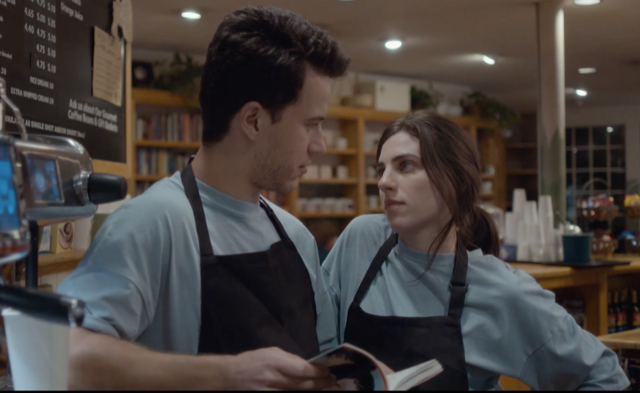
Natural Disasters
How do personal and universal themes work in your film?
DAKOTA: The idea of things not being black and white in life is, for me, a huge underlying theme in this film. I think we as people are able to do "terrible" things and not have it define us as a bad person. We are all vulnerable to moments of weakness. I'd like to believe most of us are just doing the best we can in any given scenario, and usually, only in retrospect (when things are not emotionally charged) do we realize how we've handled something poorly. Our hearts and our brains are complicated, so it seems ridiculous to strip everything down to a binary judgment system. We are multifaceted human beings riddled with contradictions, so when we try and define ourselves, I think that's dangerous territory. My opinion, Patti Smith says it best when referring to her and Robert Mapplethorpe, "We used to laugh at our small selves, saying that I was a bad girl trying to be good and that he was a good boy trying to be bad. Through the years these roles would reverse, then reverse again, until we came to accept our dual natures. We contained opposing principals, light and dark.”
NICOLE: Our three female lead characters are subject to the ugliness and indifference of the entrenched machinations that currently consume us like fuel. Every moment Dakota has created in the film is purposeful, diving deep into a reality most hide from themselves and from others, and quite honestly do not wish to look at.
Natural Disasters is a significant film and a timely film for, in my opinion, we continue to spiral as a society more and more into illusion and contrived experiences through our social media platforms and personal interactions rather than building towards authenticity of the human spirit.
The trend of self-medicating our pain in silence whichever way we can instead of developing the skills to cope through support and acceptance is one that needs to shift.
How have the script and film evolved over the course of their development?
DAKOTA: The script itself didn't go through many changes/drafts, but on set, I told the actors to not worry about the lines. The relationships, interactions and humanity were the most important. You know what the conversation is supposed to be in this moment, you know the arch of how we get from A to B, so just stick to that. If you lose your way roll with it, help each other find your way back to the skeleton and just keep going. I wanted the moments in this film to feel as real as they possibly could, and that was more important than hitting any particular joke or punchline. If we really needed something we could pick it up, but because of that freedom I think that we got some hilarious improvised moments that made the final cut, and more dynamic characters than might have appeared on the page.
Then once in the editing room, we did our best to cut out everything that felt like it didn't absolutely need to be there. There were a few scenes that were more dialogue-heavy when we shot them, but we were able to achieve what we wanted through looks and visual communication so ended up cutting small chunks of the script throughout. Every element (music, color, sound, etc.) added a layer to the film that made people continually surprised by what we had on our hands. I think the funniest most recurring comment we get is, "Oh! Now I see what you were trying to do.”
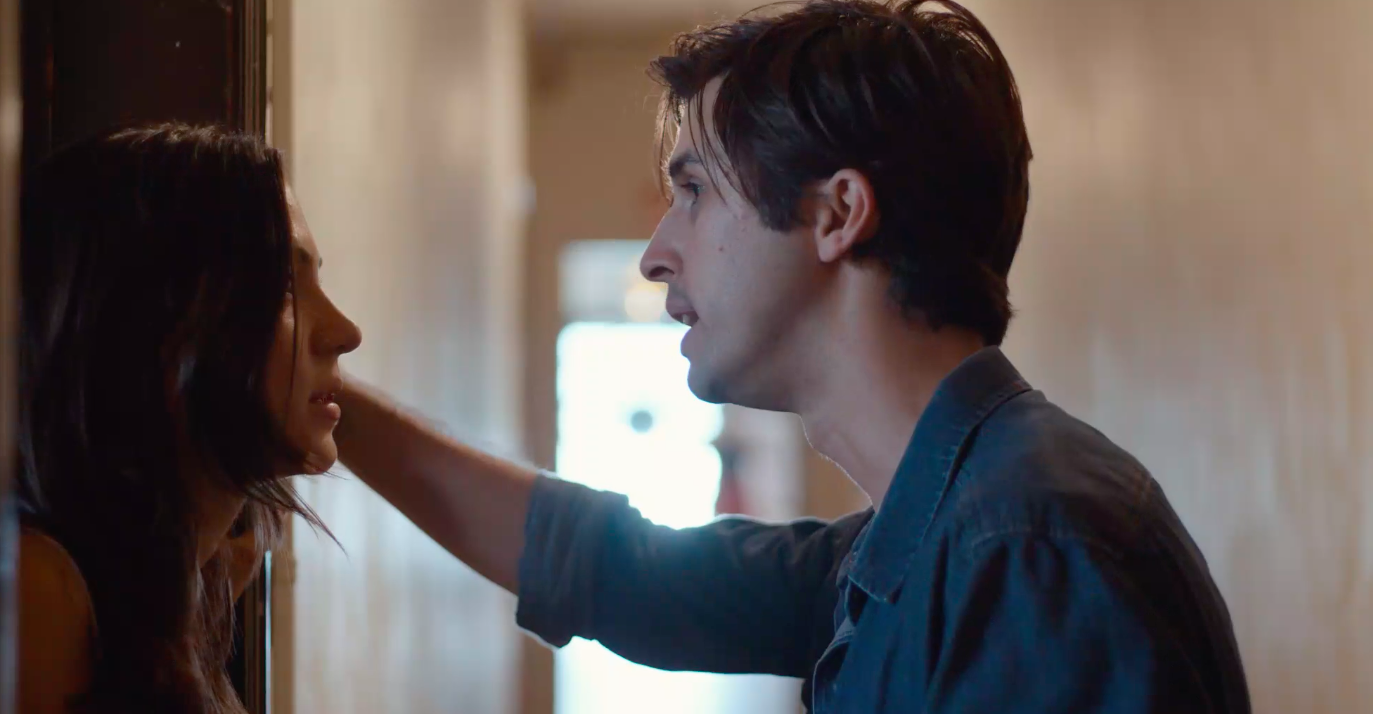
What type of feedback have you received so far?
DAKOTA: I'm definitely surprised by the spectrum of people that were able to relate to this film and pick up on some of the uncomfortable humor that I was worried might get lost in translation. Like anything, there is always going to be criticism (sometimes constructive, sometimes not - that's all up to subjectivity and I've embraced that not everyone is going to love what we have), but overall we've been getting a positive response! People feel like it's reminiscent of that stage in their lives (the quarter-life crisis), or relatable to their current situation. They remember that embarrassing phase, that one relationship they stayed too long in, or that terrible job they thought they'd never escape from. I love that people are enjoying the dialogue, as the writer, I'm obviously going to always enjoy hearing that. One woman pulled me aside at a screening and said, "I just wanted to let you know, you've made men that I can't help but fall in love with and I hate you for that," which is in my top three responses for sure. That and my 18-year-old brother and his best friend actually liking it (which in my opinion, is a huge win if you can get that demographic on board with a "coming of age" female-driven film).
NICOLE: Our film has resonated with female and male audiences alike and has gotten such an amazing response beyond our expectations, not only from the younger teens but from audiences in their 60's! We began to realize we have something very special on our hands and want to share the journey with as many people as possible.
Has the feedback surprised or challenged your point of view?
DAKOTA: Quite honestly, I was preparing myself for the worst. I had a vision in my head and wanted to put it out there to see how people would respond, and so far, with the response we've received I definitely feel a little more reassured in myself as an artist, and that I'm not completely out of touch with what resonates. I'm a sensitive person, so I was nervous about how I would react to a negative response, but even the criticism has been tremendously helpful. It's either urged me to consider things I might have not before or resolves something that felt off to me, but I didn't have a solution for. And if it's something I disagree with it, it still helps me better articulate myself that much more as to why I made some of the choices I did and how that's important to me and the content I put out in the world.
NICOLE: Both I feel. The levels and various ways audience members of all demographics found our film relatable... whether a peer going through similar issues, someone reliving those experiences from their youth, a parent who had a child in this demographic now able to see their children's struggles through a different pair of eyes or simply seeing their own friendships mirrored back to them... is extremely unexpected and exciting! The ways the audience immersed themselves in the lives and relationships of our main cast, seeing parts of their personal story within ours, was so very inspiring. However, the film makes no apologies so there are various scenes in the film which do push boundaries, that we have been "encouraged" to remove, as such content could create an uncomfortable experience for an audience member. But this is the point of these scenes. It's time to take a real look at the human condition for this is the only way reverence, healing and unconditional relationships can begin to emerge. We do have the power to transform patterns of self-degradation, shame and self-imposed punishment bred from trauma and emotional imbalance, but we need to see the truth of and grant validity to the existence of each. It's time to stop hiding behind the mask of perfection which is a continued reminder we are not enough.

What are you looking to achieve by having your film more visible on www.wearemovingstories.com?
DAKOTA: Films have in so many ways have provided comfort and reassurance in my life. Obviously, if people are entertained that's the goal, but I also want people to watch this and (hopefully) be able to forgive themselves a little more for the mistakes they feel they might have made in their lives, which many of us find hard to shake. I know I'm still teaching myself that lesson and trying each day to stop the toxic cycle of ruminating on certain moments until I mentally bludgeon myself. If we can learn to not take ourselves so seriously and laugh at things that once made us cry, I think that's the first step to empowering ourselves, so any opportunity to get this film out there and share it with people is important to me for that reason.
NICOLE: Simply to expand awareness of our film and provide a platform where Natural Disasters can be experienced over and over again. I believe authentic and vulnerable discussions could ensue around the deeper issues we explore in the film which I feel are very important conversations needing to happen now. I would love to align with various organizations devoting their existence to paving the way to awareness and healing.
Who do you need to come on board (producers, sales agents, buyers, distributors, film festival directors, journalists) to amplify this film’s message?
NICOLE: We will take all of the above at this juncture!
What type of impact and/or reception would you like this film to have?
DAKOTA: Ideally, I'd like people to enjoy this film in a way that makes them think/talk about it after the credits roll and relate it to themselves/the people in their lives, or have a fun movie night with it, or just put it on for comfort after a long day or while they're doing dishes. There's certain movies or shows I watch where I actively think, ahhh! I want friends like that! Or a relationship like that! And there's this organic giddiness that manifests that just makes you feel good and want to approach the world in a more lighthearted way. That's the goal.
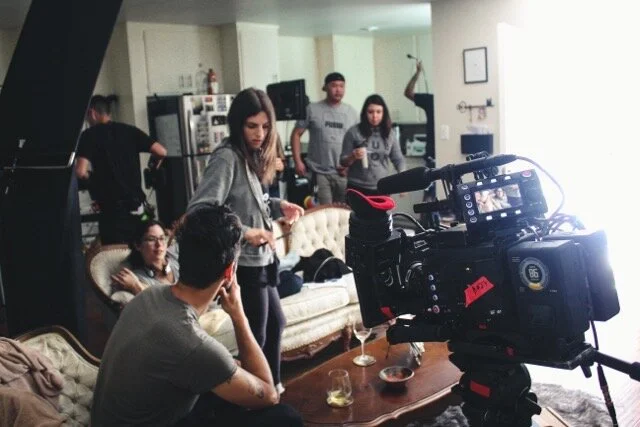
Behind the scenes of Natural Disasters - Director Dakota Gorman with crew
What’s a key question that will help spark a debate or begin a conversation about this film?
DAKOTA: I don't know what the question form of this would be, but I fun dialogue I always find makes for a good conversation after watching this is about the characters (both male and female) being either "good or bad", "nice or a douche", "right or wrong". I really tried to make all the characters walk both sides of that line, but it's interesting how everyone's personal life experience and personality play into their opinions of the characters and their decisions.
NICOLE: Do our decisions in life, our job, our circumstance or our pain define us? Can we be OK just not being OK?
What other projects are the key creatives developing or working on now?
DAKOTA: Right now I'm working on some horror films. It's a genre I love and have grown up on, so I'm determined to find a way to bring similar relationships, dialogue, and humanness into a creepy or disturbing setting.
NICOLE: The director, Dakota Gorman, and I have teamed up on a few projects, one being a humanitarian piece she scripted which follows the lives of several individuals through their unexpected journey in Syria during the Arab Spring entitled Broadcast. We have an indie drake in the works, Fuck It List, Dakota is attached to direct. An additional dark comedy entitled Of Age in the same vein of Natural Disasters, though focusing more on three generations of one family coping with the struggles of coming into their best selves, and a thriller/horror film Dakota is currently writing (which is off the charts fantastic) I would like to place on Salt & Light Films' slate.
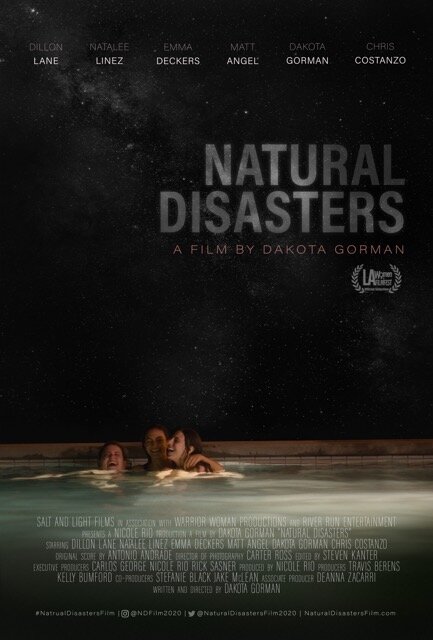
Natural Disasters poster
Interview: April 2020
We Are Moving Stories embraces new voices in drama, documentary, animation, TV, web series, music video, women's films, LGBTQIA+, POC, First Nations, scifi, supernatural, horror, world cinema. If you have just made a film - we'd love to hear from you. Or if you know a filmmaker - can you recommend us? More info: Carmela
Natural Disasters
Three friends in their mid-20's struggle to navigate their professional and personal lives, colliding head on with the messy, hilarious and dreadful growing pangs of adulthood.
Length: 1:45
Director: Dakota Gorman
Producer: Nicole Rio
Writer: Dakota Gorman
About the writer, director and producer:
Born and raised in Los Angeles, DAKOTA GORMAN graduated from Chapman University (Dodge College) in 2013 with a degree in screenwriting. As an actress, Dakota has appeared in film/tv (Teen Wolf, Criminal Minds, Get Big), studying under various acting coaches including Margie Haber, Anthony Meindl (AMAW), Risa Bramon Garcia's studio (BGB) and Janet Alhanti. Of her active projects, Dakota has had two produced feature scripts, Aftermath (a horror/thriller starring Ashley Greene, Shawn Ashmore, Brit Baron and Sharif Atkins) as well as Natural Disasters, which marks her directorial debut.
Starting off in the entertainment world as an actress in her teens, NICOLE RIO branched out into the storytelling world working with Roger Corman, Paramount Executive David Madden (Cort/Madden Productions) Hart Brothers Entertainment and several additional production companies before moving into VP of Development for Superluminal Films. In 2006, Rio found a mentor when working alongside Brian Grazer (Imagine Entertainment) which led to her decision to be a freelance Producer, collaborating with such companies as Initiate Productions and Genius Films. She established RioVey Films and in 2018 which led to creating her solo company, Salt & Light Productions, in which Natural Disasters is the flagship project.
Key cast: Dillion Lane (Kyle), Natalee Linez (Casey), Dakota Gorman (Sage), Emma Deckers (Morgan), Matt Angel (Lowick), Chris Costanzo (Nathan), Sterling Sulieman (Jared), Parvesh Cheena (Laurel)
Looking for: distributors, sales agents, buyers, film festival directors
Twitter: @NDFilm2020
Instagram: @naturaldisastersfilm2020
Hashtags used: #naturaldisastersfilm
Website: www.naturaldisastersfilm.com
Other: IMDb
Made in association with: Salt & Light Films in association with Warrior Woman Productions and RiverRun Entertainment
Funders: Private investors