DOK Leipzig / IFFR Rotterdam 2019 – Lettre à Théo (Letter to Theo)
Filmmaker Theo Angelopoulos died on January 24th, 2012, knocked down by a motorcycle on the set of his last film The Other Sea. He was surrounded by his whole crew, of which I was a part.
Interview with Writer/Director Elodie Lélu
Congratulations! Why did you make your film?
Filmmaker Theo Angelopoulos died on January 24th, 2012, knocked down by a motorcycle on the set of his last film The Other Sea. He was surrounded by his whole crew, of which I was part.
In that film, unfinished to this day, Theo talked about the tragic destinies of the victims of the Greek crisis. He felt very close to them.
Ironically, the ambulances that should have come to his rescue that evening broke down, new budgetary restrictions having made it impossible to maintain their vehicles properly.
How tragic that Theo’s death was, in part, so closely linked to the subject of his film: the crisis.
I felt I had to go back to Greece, to write a filmed letter to him and to show him what his country has become. Step by step I discover how close to reality his last unfinished film is.
Imagine I’m a member of the audience. Why should I watch this film?
Firstly, it is a good way to discover the films of Theo Angelopoulos, his inspirations, how close he was to reality. His work is really questioning what a political cinema looks like.
Then it's also the opportunity to see what's really going on in Greece right now. We keep on hearing that the crisis is over, but it's not true at all. It's very impressive to see how the Greek people have organized to survive but also so welcome the migrants who are now stuck in Greece since the borders closed.
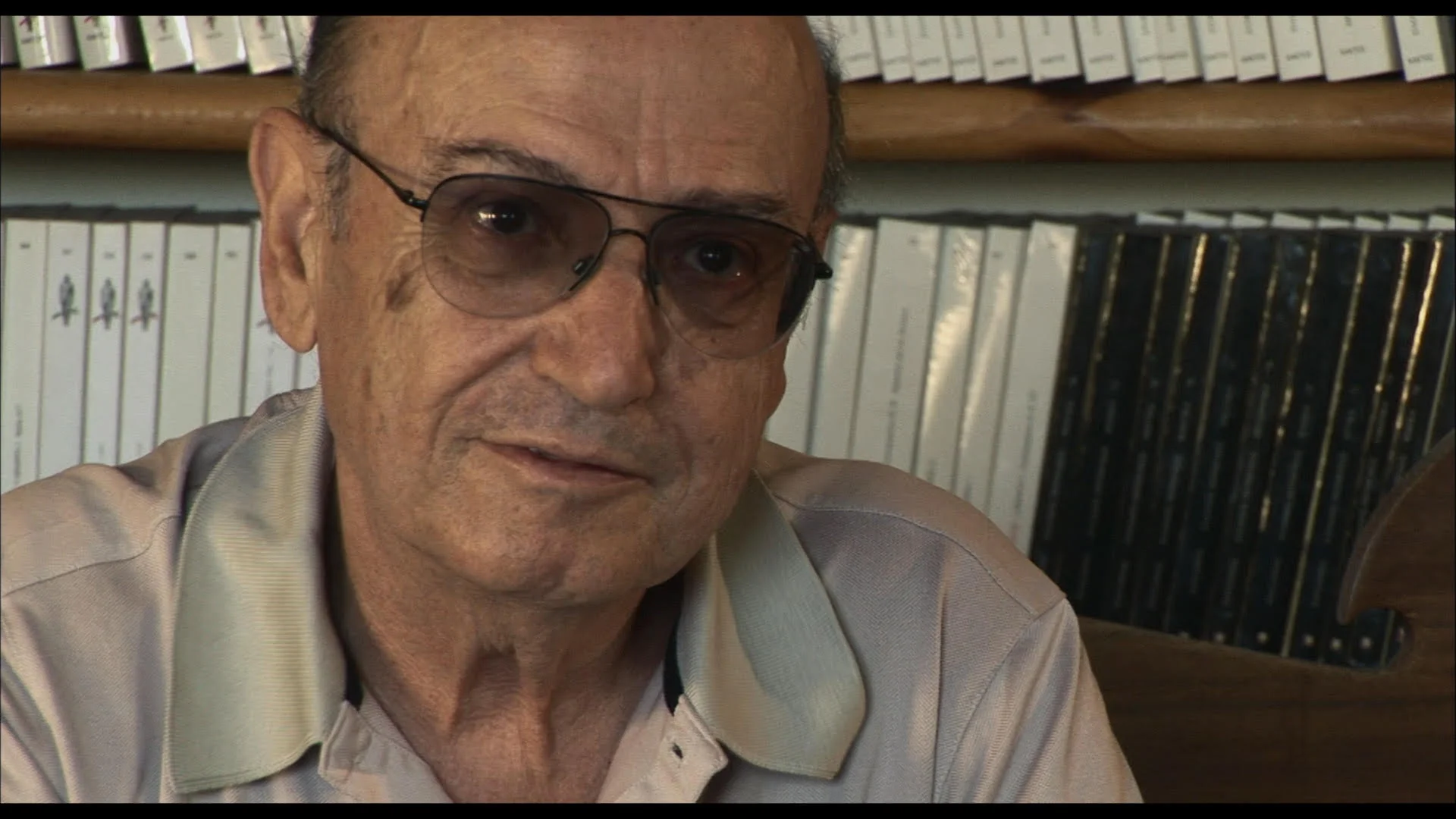
Letter to Theo
How do personal and universal themes work in your film?
The reason for my return back is my friendship with Theo. I'm walking in the steps of the unfinished film, but very fast, it questions the reality of Greece today and raise huge questions like solidarity, political cinema, integration.
How have the script and film evolved over the course of their development?
First, I mostly wanted to talk about the Greek crisis, but during the "reportages" happened the migrant crisis. Many migrants were arriving each day at the Piraeus Port and living exactly where we were shooting the last unfinished film of Theo Angelopoulos. So I decided to talk about it in my film.
Also, I was quite nostalgic about the situation of Greece, but by meeting members of the solidarity movements, I started having a bit more faith. The end of my film changed on a more optimistic note.
What type of feedback have you received so far?
People are moved by the poetic side of the film and they feel like they want to watch again or discover Theo's films. That was my main purpose
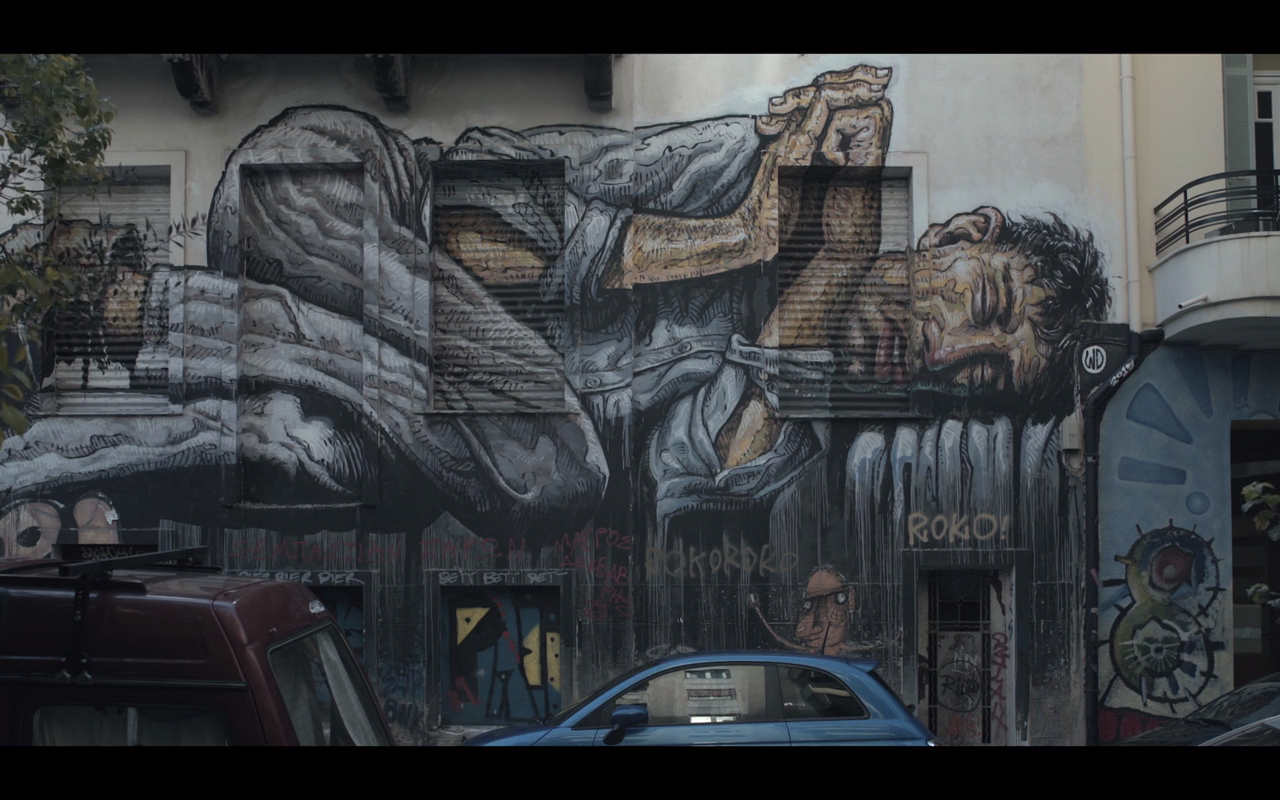
Letter to Theo
Has the feedback surprised or challenged your point of view?
I'm happy about it, but I'm very surprised that the film has been selected in many film festivals. I thought Theo's films were a "niche" but it seems that many people are still interested in his cinema. Also, the fact that I connect to the reality of Greece nowadays which is also the reality of how Europe is dealing with the migrant crisis, can explain it.
What are you looking to achieve by having your film more visible on www.wearemovingstories.com?
I think it's important to share in political cinema. I'm still convinced it has a role to play.
Who do you need to come on board (producers, sales agents, buyers, distributors, film festival directors, journalists) to amplify this film’s message?
We are looking for a distributor and it's very important to have good papers in the film.
What type of impact and/or reception would you like this film to have?
As large as possible :-)
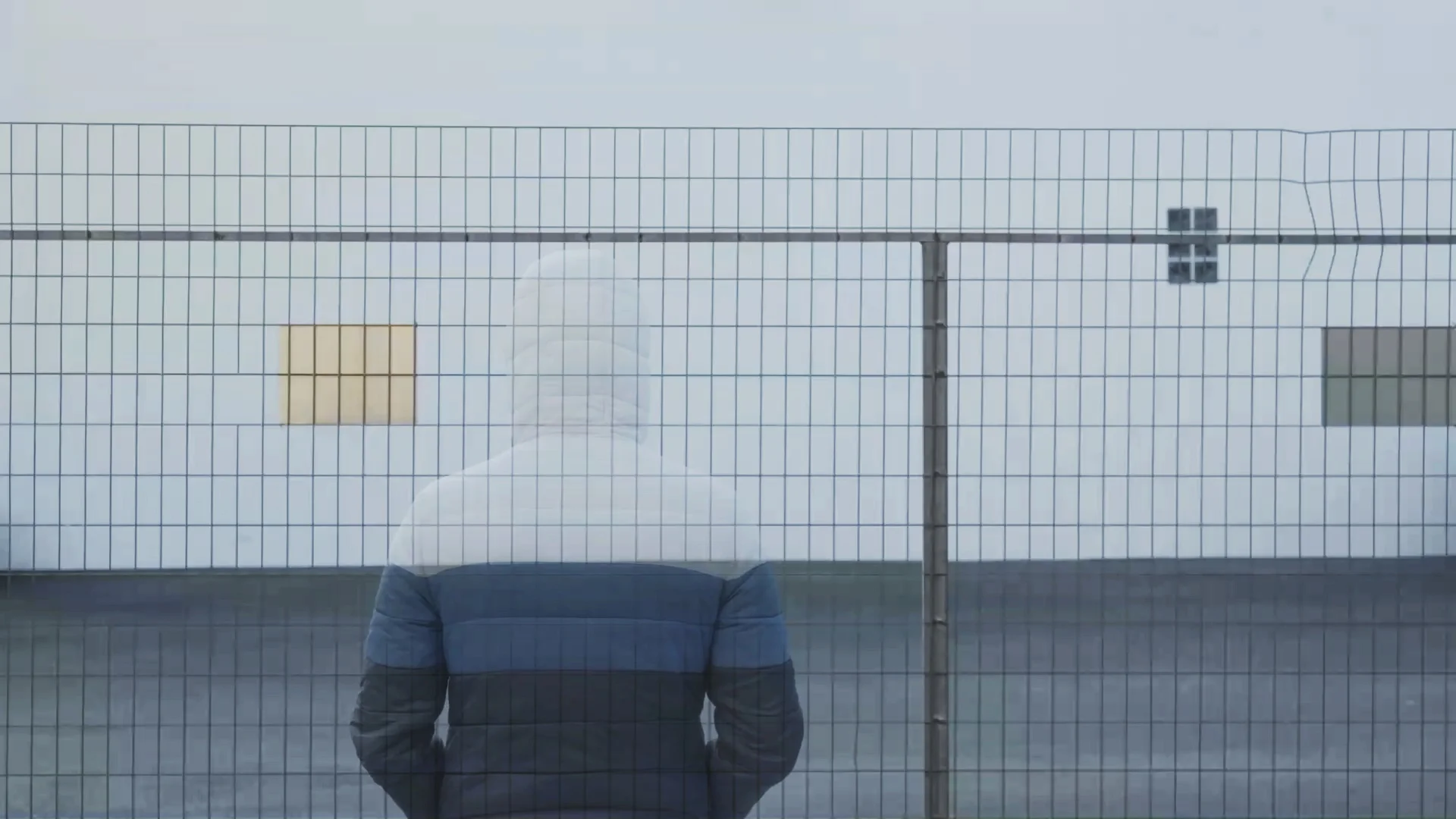
Letter to Theo
What’s a key question that will help spark a debate or begin a conversation about this film?
Maybe this one :
"You give a pretty unexpected portrayal of Greece, far from what one would imagine, and you do not hesitate to shoot almost conceptual images… I’m speaking of sequences where you have characters disappear into the image. Why suddenly use these totally staged representations?"
My cinema has something a bit experimental although I'm talking about reality. I think that as more poetical we are, as more it's possible to reach the right feeling.
Would you like to add anything else?
Parallel to the film, I wrote a book, which is the making-of of the unfinished film of Theo. Here is the link.
This book was also a surprise since it found a large public.
What other projects are the key creatives developing or working on now?
I'm at the end of the development of my first feature film which is a co-production between Belgium, France and Canada. Beginning of the shooting in 2020. It's a coming of age film about a teenage girl who is learning to become a woman thanks to her grandma, a feminist activist, who is losing a bit of her mind.
I'm also developing a new documentary film that's called The Dream of the Storks. It's about medically assisted procreation and how the woman's body is treated.
I feel really concerned about women rights.
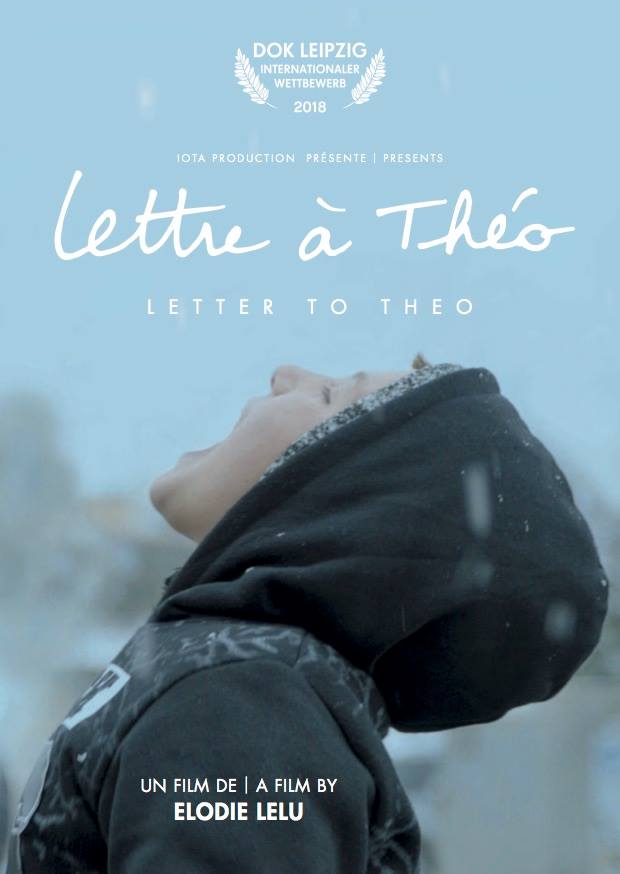
Letter to Theo poster
Interview: April 2019
We Are Moving Stories embraces new voices in drama, documentary, animation, TV, web series, music video, women's films, LGBTQIA+, POC, First Nations, scifi, supernatural, horror, world cinema. If you have just made a film - we'd love to hear from you. Or if you know a filmmaker - can you recommend us? More info: Carmela
Lettre à Théo (Letter to Theo)
Filmmaker Theo Angelopoulos died on January 24th, 2012, knocked down by a motorcycle on the set of his last film The Other Sea. He was surrounded by his whole crew, of which I was part.
In that film, unfinished to this day, Theo talked about the tragic destinies of the victims of the Greek crisis. Ironically, the ambulances that should have come to his rescue that evening broke down, new budgetary restrictions have made it impossible to maintain their vehicles properly.
How tragic that Theo’s death was, in part, so closely linked to the subject of his film: the crisis.
Length: 1:03:00
Director: Elodie Lélu
Producer: Isabelle Truc
Writer: Elodie Lélu
About the writer, director and producer:
ELODIE LELU was born in Brittany (France) in 1982. After Art history studies in Paris, she joined the Brussels film school INSAS and settled in Belgium. She has the chance to have known very well the Greek filmmaker Theo Angelopoulos who taught her a lot about cinema. She directed a series of documentaries on committed artists and started doing a feature film at the same time.
About Iota Production: "Our hearts beat to the rhythm of films with a relevant and strong point of view and a coherent and bold artistic approach".
Facebook: Lettre à Théo
Website: www.lettreatheo.com
Other: IMDb
Funders: Belgian government, Tax Shelter, WIP, ERT TV
Where can I watch it next and in the coming month? Forum des Images in Paris : mai 25; Festival Le Grand Bivouac : october 17