DOXA Documentary Film Festival / Melbourne Documentary Film Festival 2020 – Hamtramck, USA
An exploration of life and democracy in America's first Muslim majority city.
Interview with Director/Producer Justin Feltman and Director/Producer Razi Jafri
Congratulations! Why did you make your film?
We met in 2016 while I was working on a project about underrepresented voices during the 2016 presidential election. Razi helped introduce me to a few key community leaders in Detroit while I was there. When the results came in, we discussed what it meant and what our role might be in this new era. We talked about the importance of understanding a city like Hamtramck, Michigan, the first Muslim majority city in America.
We were looking for a solid anchor for the story and saw that, in 2017, the city would have a mayoral election. Since the previous election had brought the first Muslim-majority City Council, we figured this one would be an important election to follow.
Imagine I’m a member of the audience. Why should I watch this film?
In an age of rising anti-immigrant and Islamophobic sentiment, Hamtramck, USA pushes back through an honest exploration of a city built by immigrants and today, is being revitalized by immigrants, mostly from Muslim-majority countries.
If you are looking for a film that explores the beauty of multiculturalism by submerging you into it, Hamtramck, USA is what you are looking for. The film presents an excellent case study for the benefits and tensions that come with a more multicultural society.
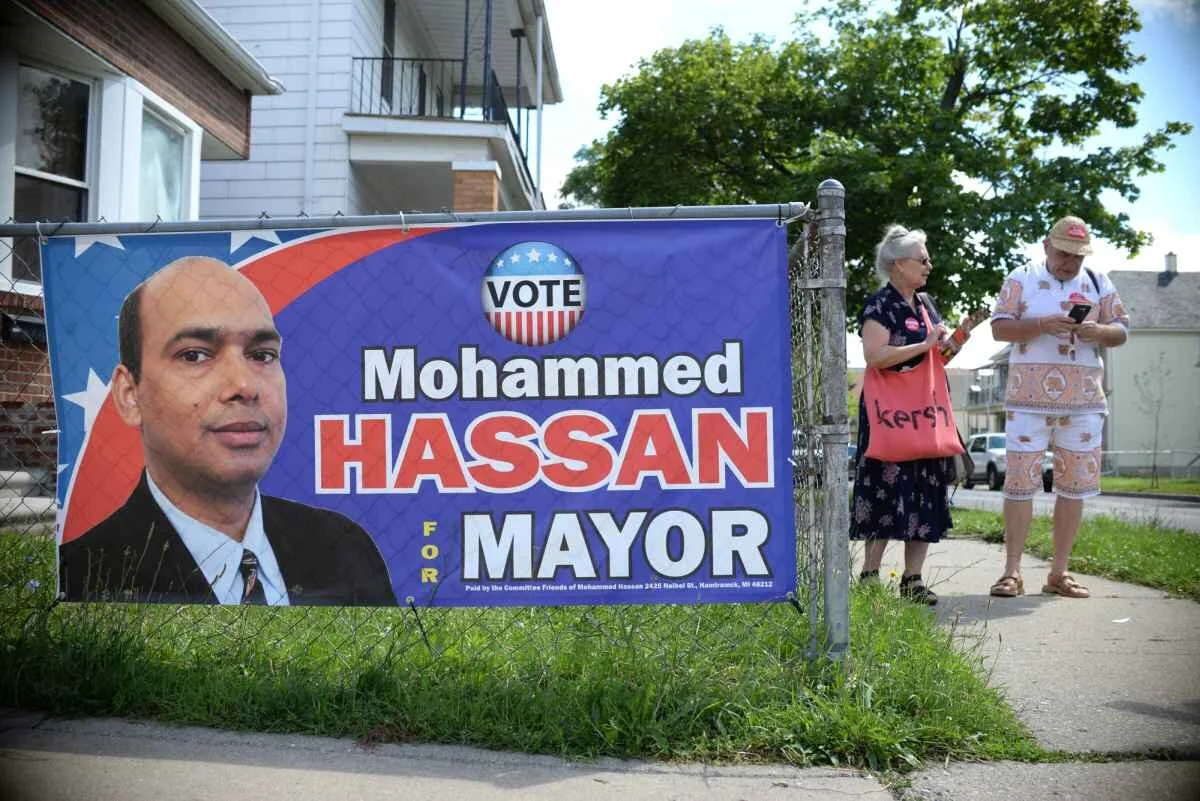
Hamtramck, USA
How do personal and universal themes work in your film?
We knew we wanted the film to be much more subversive instead of argumentative. When comparing a lot of the media coverage of the city and the city we experienced, we realized how much is missed and sensationalized. We knew the best way to combat this would be to let the community speak for itself.
We take a more meditative and poetic approach to visually represent life and celebrations of the city. Much of the coverage about Hamtramck seems to make you want to fear the unfamiliar community. However, in Hamtramck, USA, we purposely centered the film around familiar concepts, such as elections, holiday celebrations, etc. while allowing the city to showcase its unique and vibrant twists on those concepts.
How have the script and film evolved over the course of their development?
We originally wanted to have a parallel storyline of the creation of a large scale mural project celebrating the past and current immigrant communities of Hamtramck. We thought that might be an interesting way of exploring the historic communities and their contributions to the creation of the city. However, the mural project hit some delays and we realized that we could incorporate some of the histories of the city as an introduction and then focus the rest of the film on the life and politics of today’s Hamtramck.
What type of feedback have you received so far?
The film has been very well received in film and educational circles. From the film reviews and Q&A’s, we realize that people really appreciate an honest discussion and observation of multiculturalism and the making/shaping of communities, while celebrating the role of Muslim Americans in those communities. One of our favorite reviews was from The Spool, who said, “In these cynical times, it's enough to make you believe there are still places in America where democracy exists.”
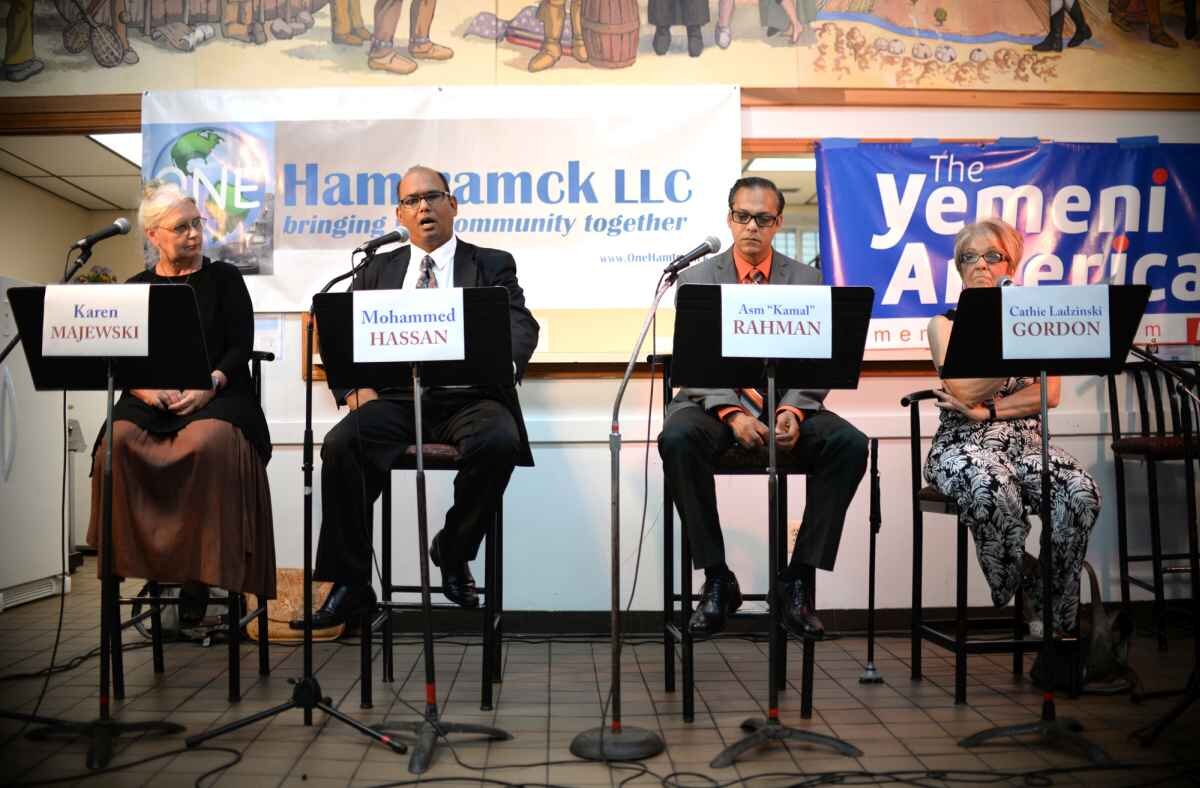
Hamtramck, USA
Has the feedback surprised or challenged your point of view?
We believe the feedback has mostly matched our expectations. We have also been really encouraged by how warm the response has been. We recently had a group of middle schoolers watch the film and their observations were really profound. We hope to continue to build on that success as we begin to develop the film’s educational curriculum and share it through academic and community-based screenings.
What are you looking to achieve by having your film more visible on www.wearemovingstories.com?
We appreciate your organization's commitment to true inclusion and promotion of underrepresented voices. Hamtramck, USA aims to do the same. We hope that your readers want to find out more about the film and perhaps want to bring a screening of the film to their own community.
Who do you need to come on board (producers, sales agents, buyers, distributors, film festival directors, journalists) to amplify this film’s message?
We are working on finalizing a distribution deal in North America and for US broadcast. However, we would love to bring the film to audiences across the world. Borders have become more porous and globalization has made multiculturalism a worldwide phenomenon, which gives Hamtramck, USA an international appeal that other election documentaries may not.
We are looking for distributors beyond North America and educational or impact partners who can help us bring discussions around the film to wider audiences.
What type of impact and/or reception would you like this film to have?
With Hamtramck, USA, our main goal has been to make the film a launching point for discussions around multiculturalism, immigration, democracy, and how to create more inclusive communities. As the US becomes more diverse, a city like Hamtramck becomes more relatable and relevant to small towns, cities, and neighborhoods across the country.
The film strips away a lot of the preconceived notions about Muslims or immigrants, and we hope to use it to foster honest conversations of how we can build better communities for the future.
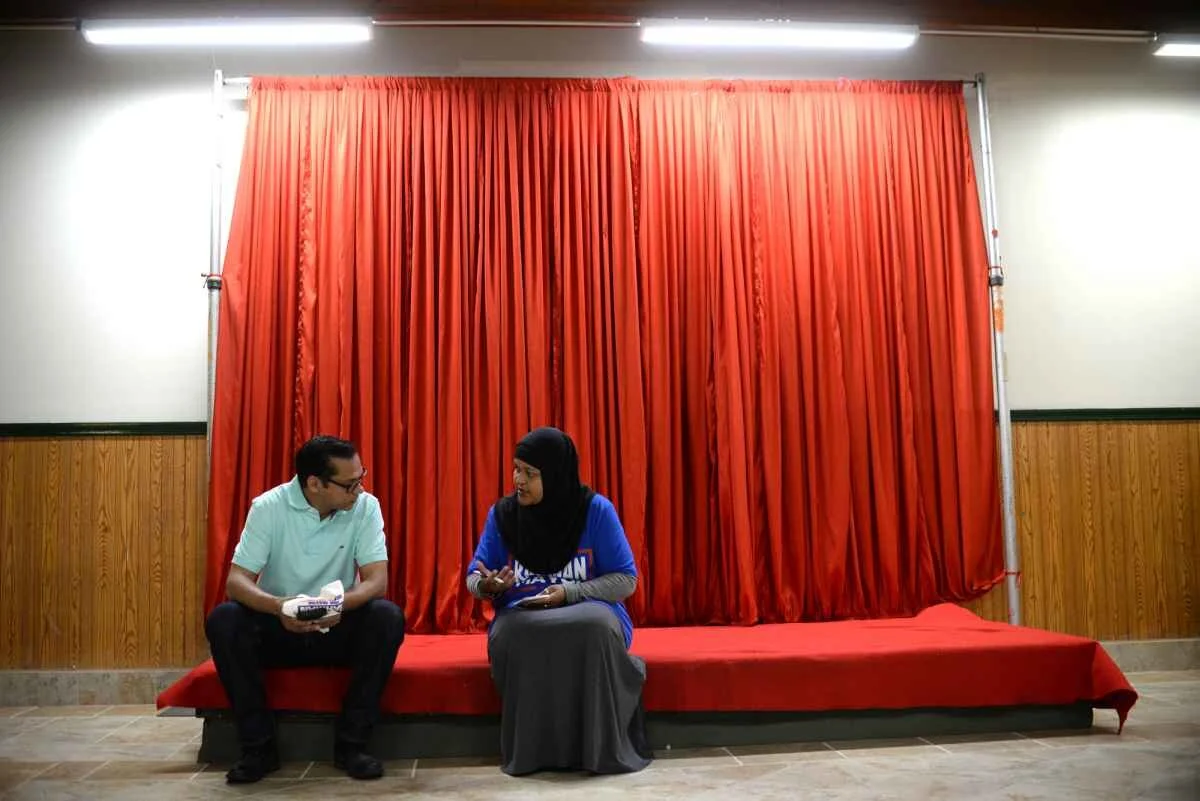
Hamtramck, USA
What’s a key question that will help spark a debate or begin a conversation about this film?
We really want audience members to ask themselves, what does a representative democracy and community look like? What does it mean to be a part of it and help in its creation, preservation, and success?
Would you like to add anything else?
Hamtramck, USA was a first film for both of us. The residents of the city were incredibly welcoming and open to us the entire time. Furthermore, throughout production, the film was entirely self-funded, until later when we started receiving grants during post-production. Finally, we had an incredible team of Detroit based photojournalists and videographers who volunteered their time knowing we couldn’t pay them until just this year. Without their contributions, and this community’s generosity, this film would not have been possible. Razi and I are grateful for their contributions.
What other projects are the key creatives developing or working on now?
Razi and I are currently working on an archival film about Anwar al-Awlaki and the US’s post-9/11 seemingly never-ending war on terror. We wanted to use the archives of his sermons and teachings, along with the US’s actions and media, to explore how he went from a moderate preacher to the first American citizen since the Civil War to be hunted down and killed by the US without due process or trial. We’re still in the research/development phase but have been committing most of our time to that project, especially with COVID postponing in person shoots and festivals.
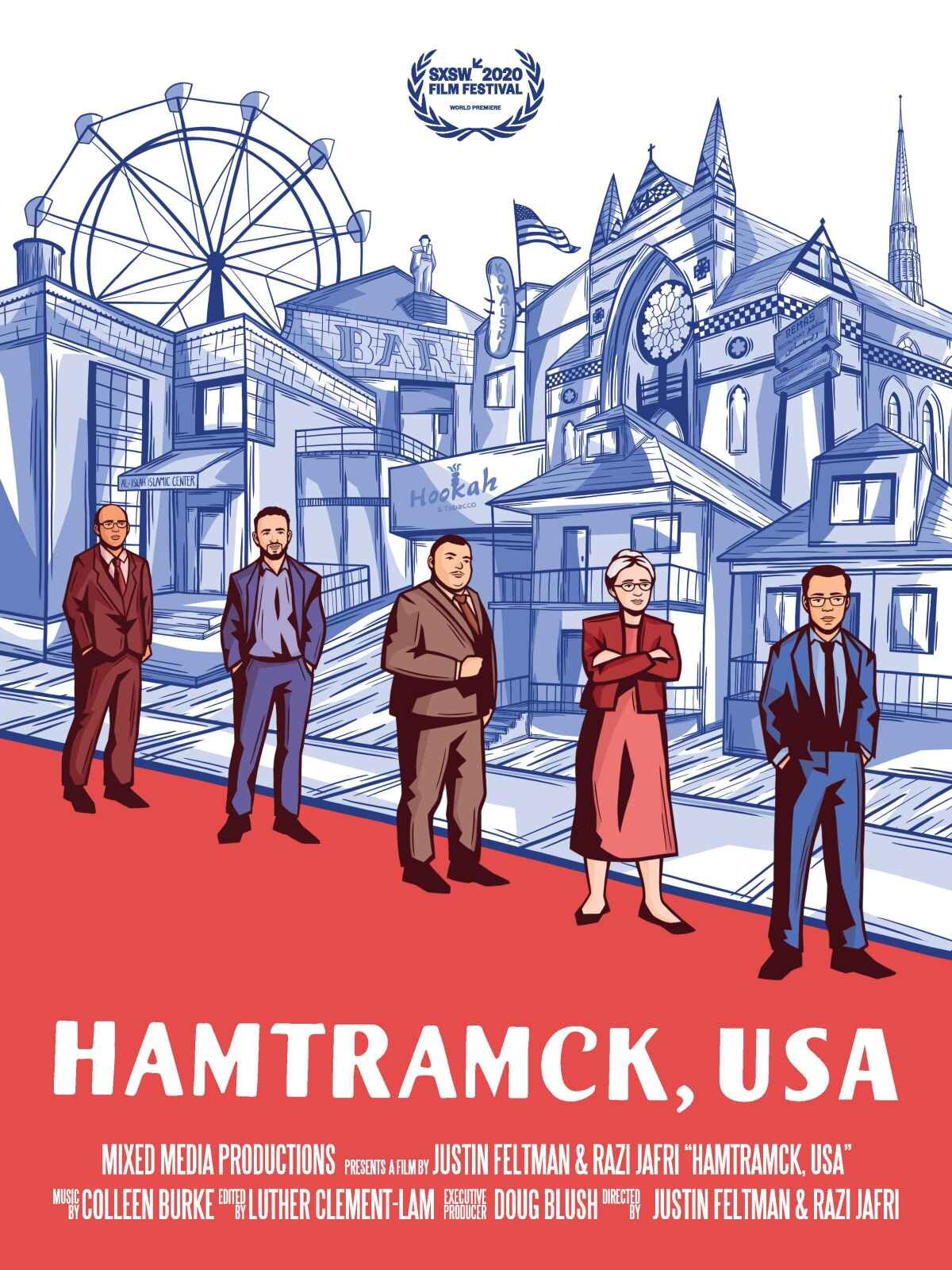
Hamtramck, USA poster
Interview: June 2020
We Are Moving Stories embraces new voices in drama, documentary, animation, TV, web series, music video, women's films, LGBTQIA+, POC, First Nations, scifi, supernatural, horror, world cinema. If you have just made a film - we'd love to hear from you. Or if you know a filmmaker - can you recommend us? More info: Carmela
Hamtramck, USA
An exploration of life and democracy in America's first Muslim majority city.
Length: 1:33:04
Director: Justin Feltman and Razi Jafri
Producer: Justin Feltman, Razi Jafri, and Doug Blush
About the writer, director and producer:
RAZI JAFRI is a Detroit based documentary photographer and filmmaker whose work focuses on religion, race, politics, and immigration. Razi is currently producing Loyalty, follows three Muslim chaplains as they navigate religious freedom and islamophobia in the military. Razi served as a mentor in Kartemquin Films Diverse Voices in Docs (DVID) Fellowship. He has been awarded fellowships by Documenting Detroit, the New York Foundation for the Arts (NYFA), and The Salzburg Global Forum.
JUSTIN FELTMAN is a DC-based filmmaker. He has worked on a number of independent films and documentaries, including I Am I and Check It. He currently creates video content for nonprofits and small businesses throughout the DC area.
Key cast: Karen Majewski, Kamal Rahman, Fadel al-Marsoumi, Abraham Aiyash
Looking for: distributors, film festival directors, buyers
Facebook: Hamtramck, USA
Twitter: @hamtramckdoc
Instagram: @hamtramckdoc
Hashtags used: #hamtramckdoc, #hamtramckusa
Website: www.hamtramckdocumentary.com
Other: IMDb
Funders: Ford Foundation's JustFilms, Center for Asian American Media, Islamic Scholarship Fund, Yip Harburg Foundation, Crowdfunding through Launchgood, and self funded.
Where can I watch it next and in the coming month? DOXA Documentary Film Festival (June 18th -26th); Melbourne Documentary Film Festival (June 30th - July 15th).