Cannes Short Film Corner 2018 - Fall
Fall, a short film by first time director Veronika Adaskova, revisits what nationality means, how artificially drawn borders on the maps ignore a sense of belonging people living around these narrow lines experience and how one's birth place, nationality or minority status can affect the course of one's life.
Interview with Writer/Director/Producer Veronika Adaskova
Congratulations! Why did you make your film?
Thank you. I think the main reason behind making this film was my own relocation from one place to another.
I moved from the Czech Republic to New York which made me more aware of the sense of belonging, or lack thereof and minority status. For many years, although it did not bother me, I felt I didn't belong anywhere; I was in some kind of in between space. This experience made me remember and kindled my interest in a man who paid yearly visits to my grandmother in the Czech Republic, the place where he was born but forcefully removed from, as a Sudeten German after WWII. I could not relate equally to his longing for a birthplace, I left voluntarily whereas he was forced to leave and it made me curious and I wanted to capture his feelings and his life story.
I packed my equipment with a plan to film him during his summer visit but he never came. It was the first year ever he missed the trip, due his wife's bad health, so I had to find someone else and that is how I met Rudolf.
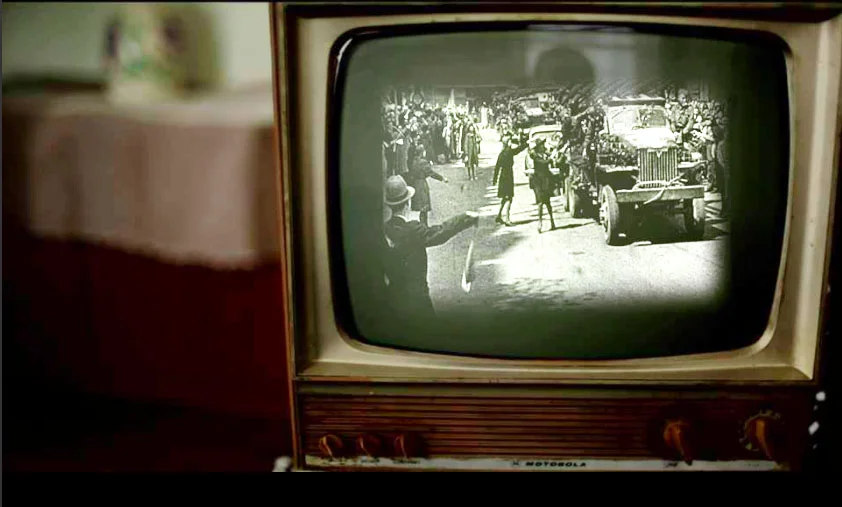
Fall
Imagine I’m a member of the audience. Why should I watch this film?
I think the film is very relevant to what is happening today, with immigrants being labeled as a group often without any attention to individual human beings within, possible shifting borders and rise of nationalism but because it is removed in time and place it is not didactic. It mirrors many of today's issues, hopes, fears and uncertainties.
How do personal and universal themes work in your film?
As Rudolf Jehlicka tells us his life story, the themes of belonging, survival, and the “us” vs. “them” narratives are echoed. It's poetic at times.
How have the script and film evolved over the course of their development?
For me story and image are equally important, I like to work more as an editor when putting a story together, that way I can immediately see what works and what does not. There is quite a lot of information in the film and it took quite a lot of back and forth when deciding what will be cut out and what will stay in.
What type of feedback have you received so far?
I had got very warm feedback, people commented on the quality of the image and found the story important to be told. Some were inspired by how I used various elements in the film and how the personal and historical is interwoven.
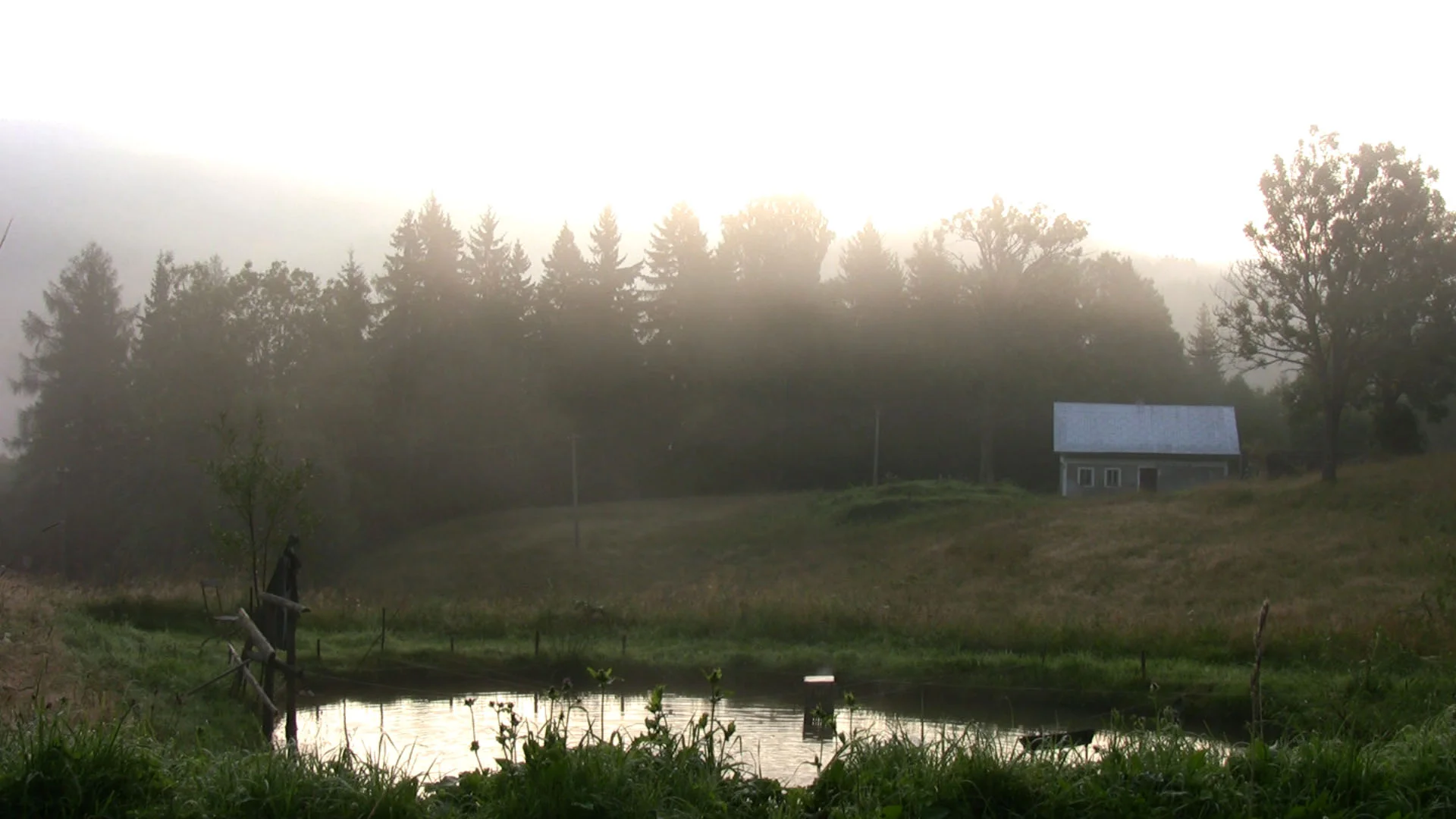
Fall
Has the feedback surprised or challenged your point of view?
So far it was not challenged which of course made me happy. I am glad the viewers appreciated details, the film is quite subtle and one never knows how much attention people will be willing to give.
What are you looking to achieve by having your film more visible on www.wearemovingstories.com?
Hopefully more people will become interested in the film and the story and would like to see it.
Who do you need to come on board (producers, sales agents, buyers, distributors, film festival directors, journalists) to amplify this film’s message?
I am not focusing too much on selling the film, what I would love is to be able to show it to as many people as possible, so I guess festival programmers/directors and journalists.
What type of impact and/or reception would you like this film to have?
I would like people to re-think the paradigm of “us” vs. “them” because “them” is never a homogeneous group and I do believe that people everywhere want pretty much the same things, security and stability while being able to freely move and grow, be able to do things they love.
What’s a key question that will help spark a debate or begin a conversation about this film?
How do we define and perceive the "other" while positioning “them” vs. “us". How do we arrive at and interrogate labels and generalizations about groups of people, and instead foster acceptance of differences.
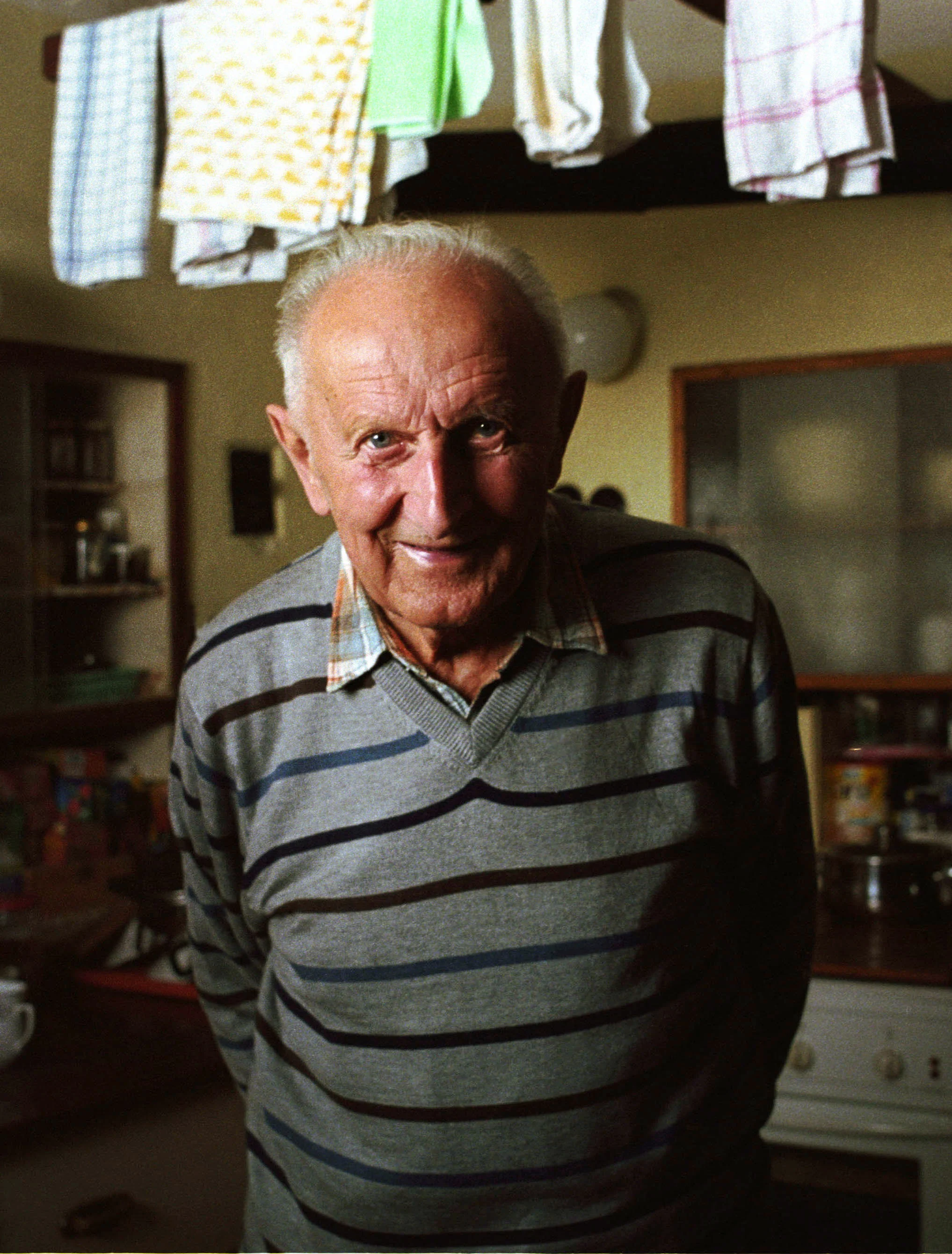
Fall
What other projects are the key creatives developing or working on now?
I have been planning a public art installation involving large video projection and even coordinating wild-life, it is about altering natural surroundings. It is a technically and financially challenging project requiring support; therefore, I am in the process of finding sponsors and backing.
I would like to continue to be able to move between art and film.
Interview: May 2018
We Are Moving Stories embraces new voices in drama, documentary, animation, TV, web series, music video, women's films, LGBTQIA+, POC, First Nations, scifi, supernatural, horror, world cinema. If you have just made a film - we'd love to hear from you. Or if you know a filmmaker - can you recommend us? More info: Carmela
Fall
Fall, a short film by first time director Veronika Adaskova, revisits what nationality means, how artificially drawn borders on the maps ignore a sense of belonging people living around these narrow lines experience and how one's birth place, nationality or minority status can affect the course of one's life.
Length: 15 min 19 sec
Director: Veronika Adaskova
Producer: Veronika Adaskova
Writer: Veronika Adaskova
About the writer, director and producer:
Veronika is a filmmaker and artist based in NYC. Her artworks have been shown internationally. Most notable exhibits include the Smithsonian National Portrait Gallery in Washington, D.C., Art Nova 100 in Beijing and Arsenale in Italy.
Veronika's television work includes long-form documentaries and programs for PBS, NBC, CNN, SHOWTIME and THE SMITHSONIAN CHANNEL.
Key cast: Rudolf Jehlicka
Looking for (producers, sales agents, buyers, distributors, film festival directors, journalists):
Facebook: https://www.facebook.com/FallFilm/
Twitter: @Fall_Short_Film
Other: https://www.fall-shortfilm.com/
Funders: personal
Where can I watch it next and in the coming month? As of now I am focused on festivals - many festivals don't allow public screening of the films online but for festival programmers the film is available through private links.