Traverse City Film Festival - Nowhere To Hide
This is a story of a man struggling for survival in Iraq post US invitation in 2003.
Interview with Writer/Director Zaradasht Ahmed
Congratulations! Why did you make your film?
Thank you! I wanted to tell a story from Iraq, which hasn't been told before. Especially from the central part of the country. I wanted to follow the lives of civilians after the US pulled out of Iraq in late 2011 to show the devastation and aftermath. A story about surviving a brutal war. A war that people had to face, but didn’t ask for.
Imagine I’m a member of the audience. Why should I watch this film?
To let you reflect on the human consequences of a brutal reality where all taboos are violated. With “Nowhere to Hide” I want to show that we are all part of this reality – war, explosions, victims, terrorism, they affect us globally, and we are all responsible, despite our geographical whereabouts. To make the audience aware of the brutality and destruction that occurred during, and after the Iraq war. Especially to the innocent civilians that remain.
Nowhere To Hide
How do personal and universal themes work in your film?
I am from that part of the world, so I know it very well. I had a lot to say regarding the topic as a result.
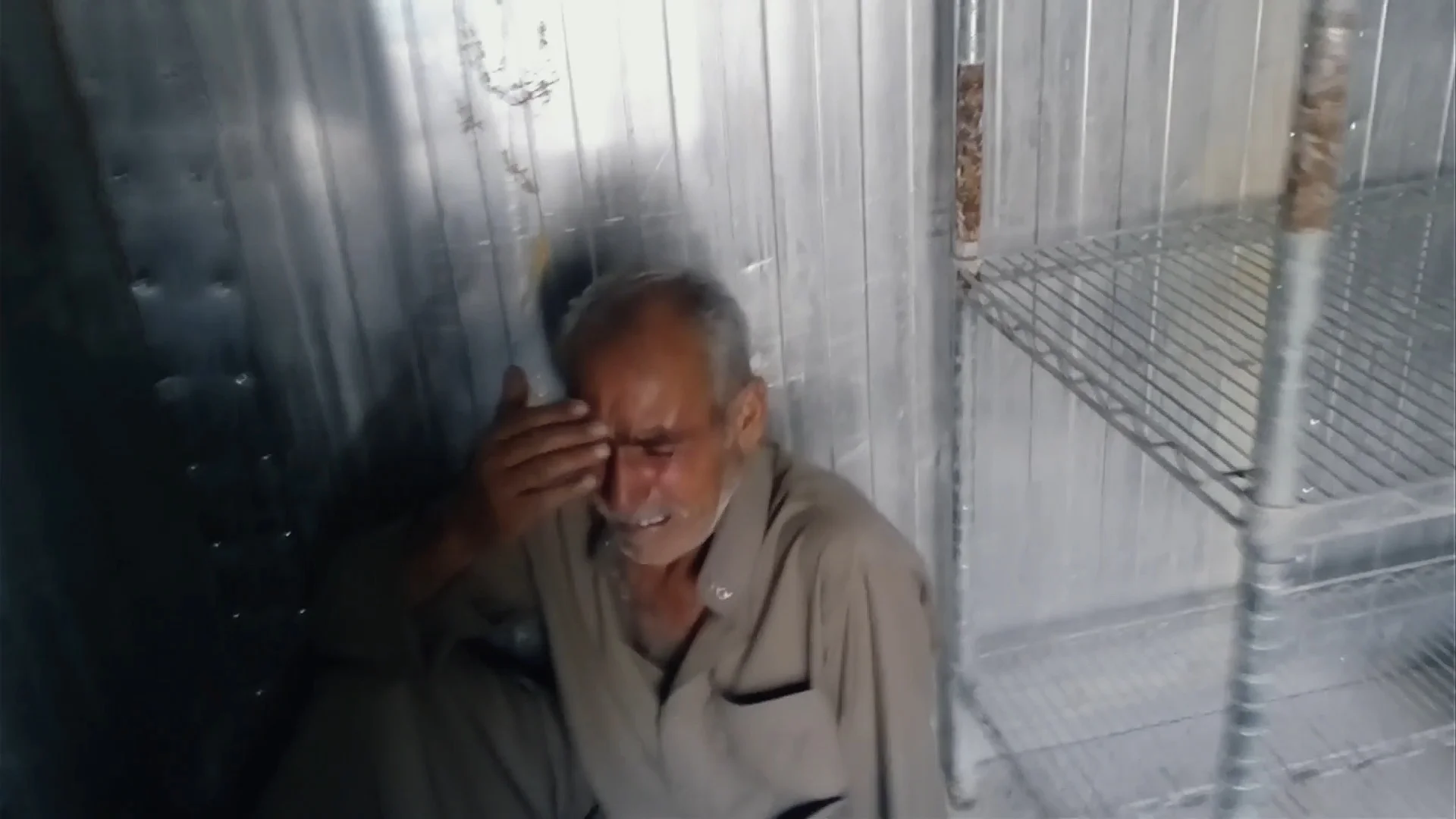
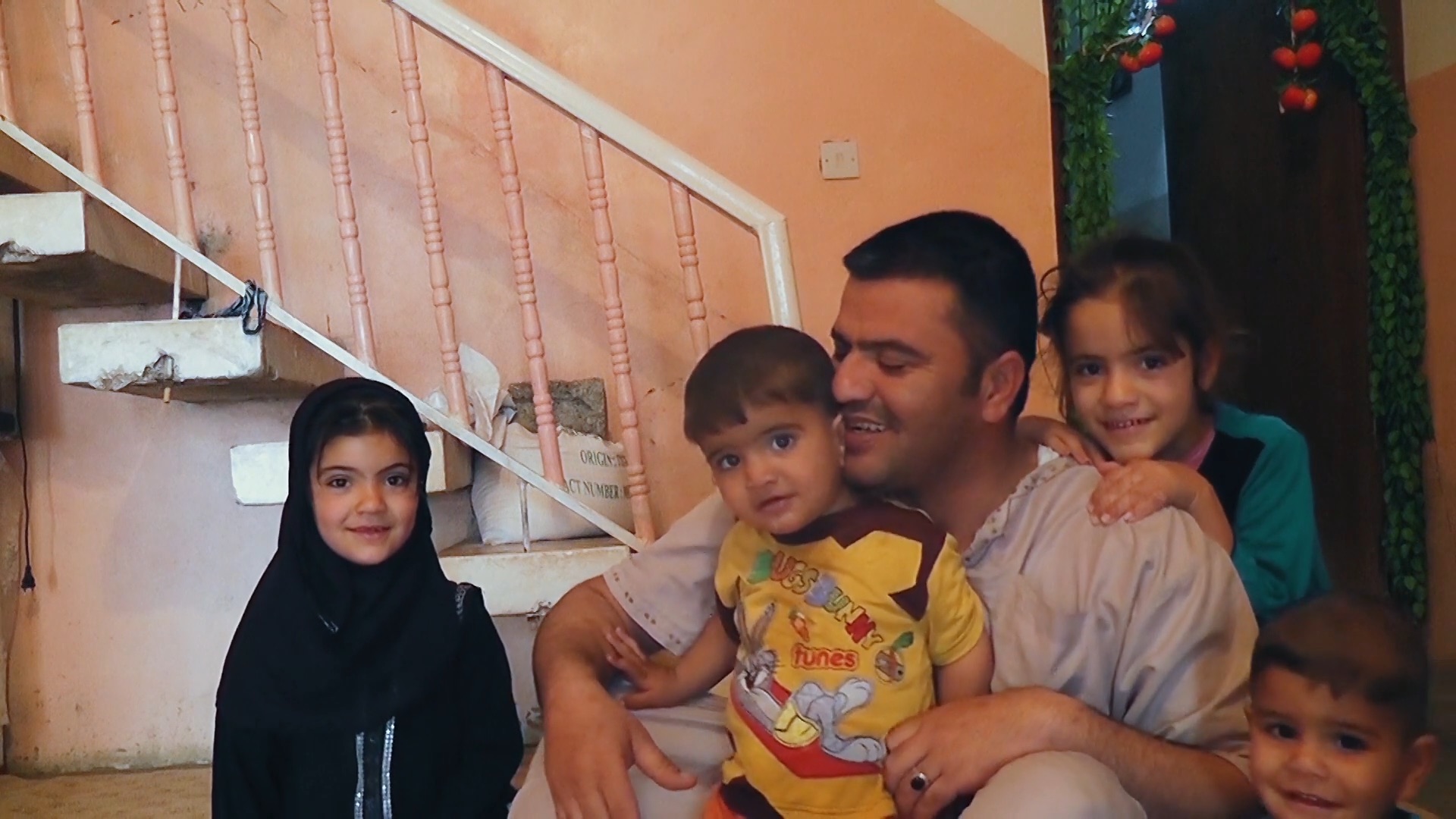
We went from a story with one simple question, “is it possible to live in a war without a visible army or faceless solders?” To a personal story of one man, Nori Sharif, and his family, trying to survive brutal warfare at ever turn. That was a major shift in focus for us, and redirected the overall theme of the film. One of the toughest challenges in making this film was not the material itself, but the need to pursue the material further. Once you start following a specific character, you have to put all of your effort into him and build scenes that will enable you to develop the storyline.
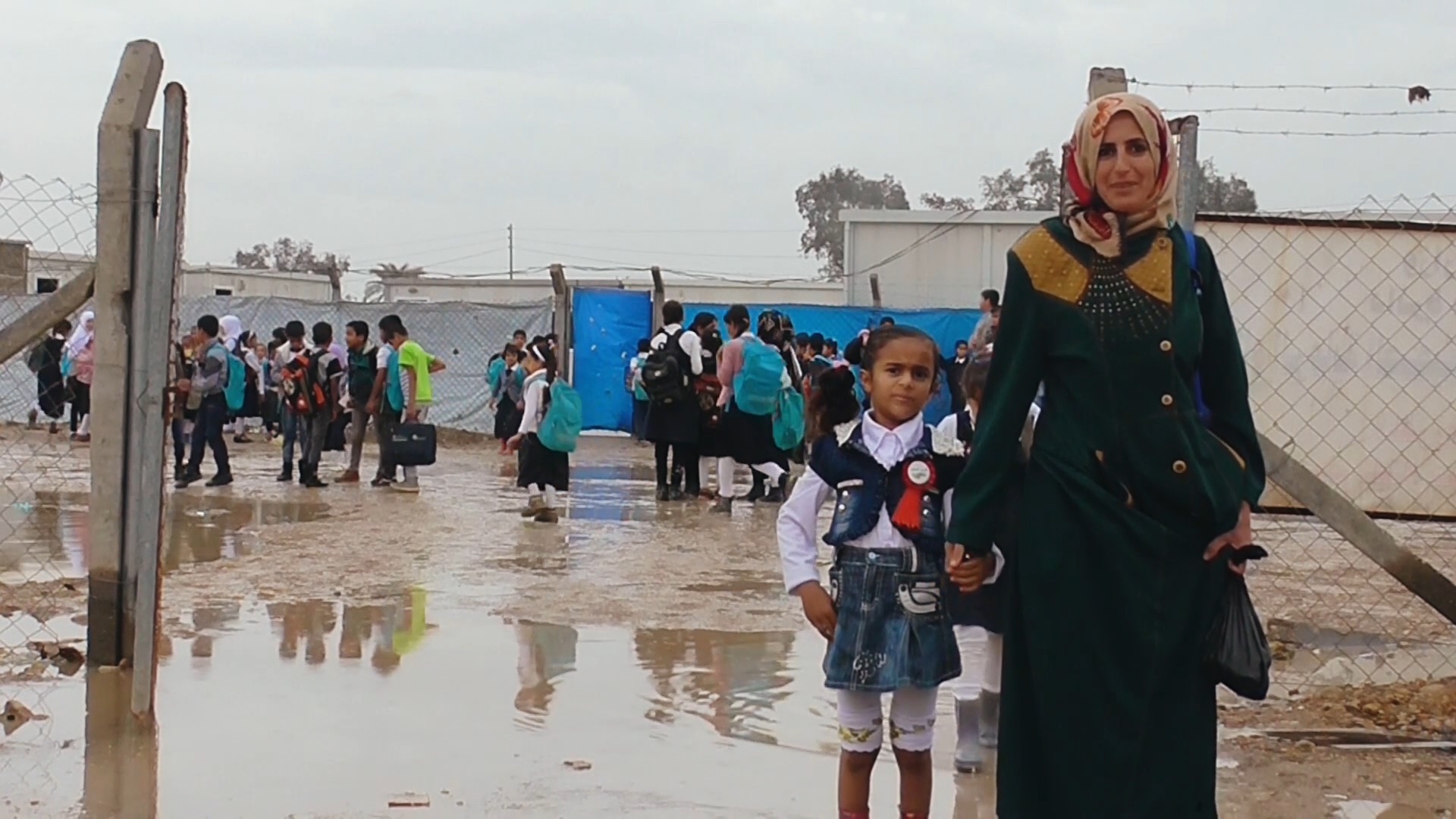
After three years of collecting material, Nori’s town became a living hell. ISIS came in. Soon after, the hospital where he worked was surrounded and bombed. He struggled doing the job he loved in order to help those injured, while worrying about the safety of his family at the same time. Unfortunately, in the end, he had to give up his job and fled with his family in search of safety, ending up in a IDP camp for internally displaced person.
How have the script and film evolved over the course of their development and production?
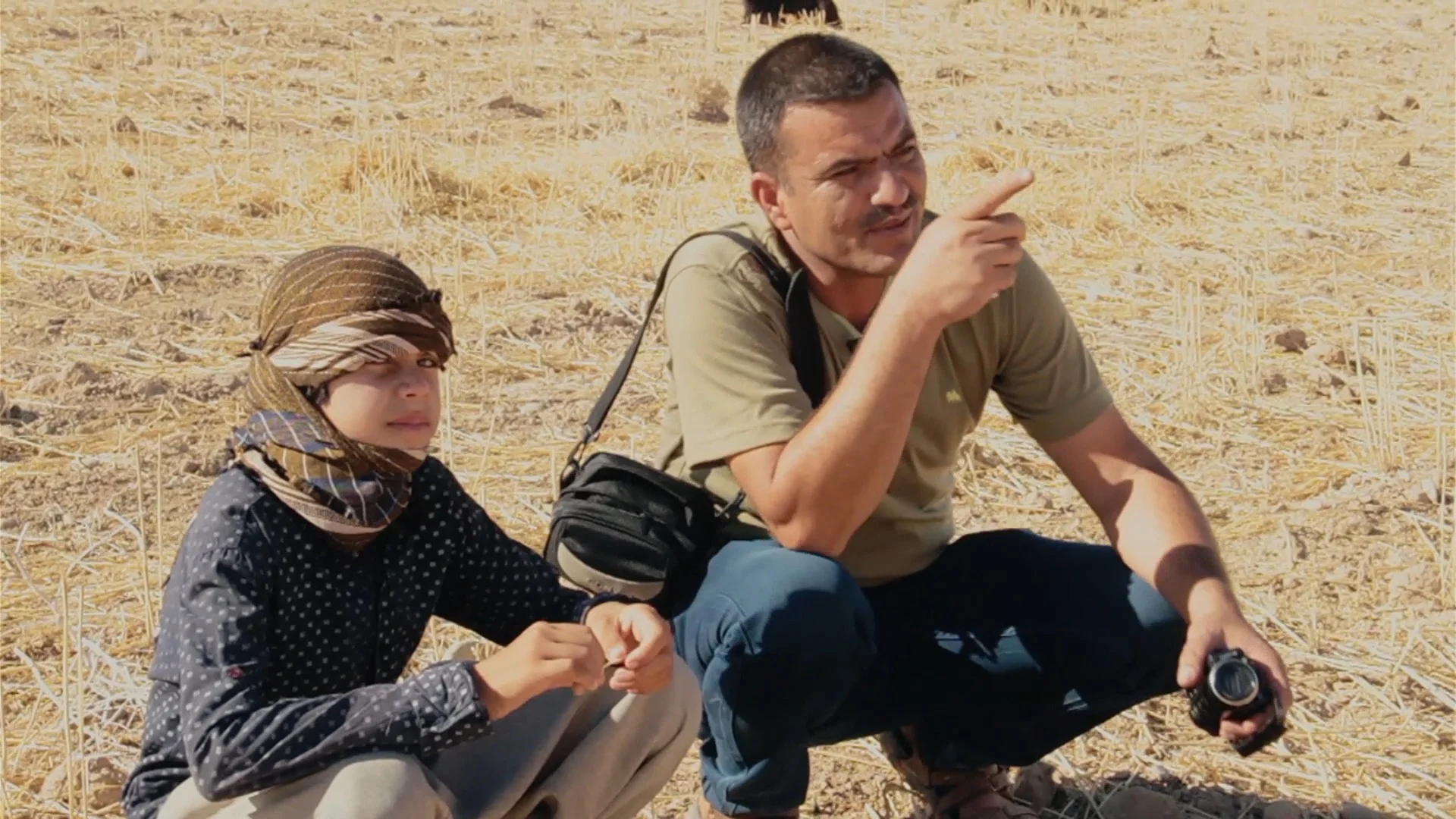
The idea started in Afghanistan back in 2008. Together with Dr. Hans Husum, (a human rights activist and war surgeon), we worked to recruit local medics and journalists to document first-hand information from areas where most of the media did not have access. We initially focused on exploring the war and make a portrait of it. Two years later, we moved the concept to Iraq, which is where I met Nori Sharif, the main protagonist in the film. We ended up with a character-based, very intense film about a male nurse working in most dangerous area in Iraq, known as the Triangle of Death.
Nowhere To Hide
What type of feedback have you received so far?
Positive feedback overall. People become attached to Nori and his family. They often ask what they can do to help them, and express genuine concern. They seem to appreciate the film for being so intense and humanistic. On the other hand, there has been feedback regarding ethical and technical aspects, as well.
Has the feedback surprised or challenged your point of view?
Some of the feedback has surprised me. Particularly regarding religion. People's lack of knowledge about the Middle East, and its complicity has been a surprise, also. Another challenging question was regarding the safety of the main character and his family during the process of making the film. Otherwise, the majority of audience members are there to understand, which makes the Q&As more interesting and enriching.
What are you looking to achieve by having your film more visible on www.wearemovingstories.com?
Hopefully www.wearemovingstories.com can help the film reach as many people as possible, who will then tell other people, who can hopefully continue spreading the word.
Nowhere To Hide
Who do you need to come on board (producers, sales agents, buyers, distributors, film festival directors, journalists) to amplify this film’s message?
Buyers and journalists can be extremely helpful at this stage.
What type of impact and/or reception would you like this film to have?
Regarding the audience, I'd like for them to think long and hard about war victims, particularly the civilians.
As far as the films impact, we would like for the powers that be, apply some pressure on the Iraqi politicians, including, but not limited to, the European Parliament, key politicians in Iraq, American decision makers, etc. We wish to express our solidarity with the victims and give them a voice.
What’s a key question that will help spark a debate or begin a conversation about this film?
I think the first aspect to reflect on should be: was the 2003 war in Iraq a ‘good' war? Next, is it possible to avoid such a war in the future? And, last but certainly not least, how do we help the victims now?
Would you like to add anything else?
Yes. I would like to remind people that when any war comes to an end, politically and/or militarily, another ‘hidden' war begins for the population. The destruction remains: endless minefields, injuries, orphans, widows, and tens of thousands of internally displaced persons/IDP. For them, the war is still going on.
Nowhere To Hide
What are the key creatives developing or working on now?
A film about a community living in one of the largest minefields in Cambodia.
Interview: August 2017
_________________________________________________________________________________
We Are Moving Stories embraces new voices in drama, documentary, animation, TV, web series and music video. If you have just made a film - we'd love to hear from you. Or if you know a filmmaker - can you recommend us? More info: Carmela
_________________________________________________________________________________
Nowhere to Hide
This is a story of a man struggling for survival in Iraq post US invitation in 2003.
Length: 86 min
Director:Zaradasht Ahmed
Producer:Mette Cheng Munthe-Kaas
Writer:Zaradasht Ahmed
About the writer, director and producer:
Director and DOP Zaradasht Ahmed (b. 1968) is born in Sulaimaniyah, Northern Iraq. He came to Norway in 1995, and has been working as an artist, journalist and director. He has extensive experience in making documentaries in the Middle East, Northern Africa and Asia.
Key cast: Nori Sharif and his family
Looking for (producers, sales agents, buyers, distributors, film festival directors, journalists):buyers, film festival, journalists
Social media handles:
Facebook:Nowhere to Hide
Twitter:Nowhere To Hide (@NTHDoc)
Funders: NFI, Viken filmsenter, fritt ord, Rogaland film kraft, fund for lyd og bilde, nordnorsk filmsenter
Where can I see it in the next month?
Europe Orient Documentary Film Festival, Tangier
NordiskPanorama, Malmö
Asian Documentary Project Market, South Korea