Chicago Feminist Film Festival - Dyab
12-year-old Dyab is a refugee Yazdi boy who has a knack for filmmaking and tells his stories to the outside world.
Interview with Writer/Director/Producer Mazin Mahdi Sherabayani
Congratulations! Why did you make your film?
After the invasion of what is the so called the Islamic State in Iraqi Kurdistan and particularly, the region of Shingal (Sinjar) where the Yazidi community is mainly living, I felt I had to do something to help the people and give them a positive representation around the world, especially the children and women who have been kidnapped, captured and sold as sex slaves by the terrorists. As a Kurdish filmmaker I felt the responsibility to share their suffering and present the world with a fresh point of view about their crisis, which I'd decided is told through the point of view of 12-year-old boy Dyab and his friends.
Imagine I’m a member of the audience. Why should I watch this film?
First, the film helps the audience to understand the current crisis that the minorities in the Middle East are experiencing through a new lens; it's different from what people see on the news channels, and raises the awareness to understand how in the long term that crisis will affect us all over the world. Secondly, the film plays as a bridge of communication between people from different ethnicities to understand and respect each other's beliefs and social life, and I believe it’s important in this time that the world is going through that we need to increase our way of communication with other people no matter where they are.
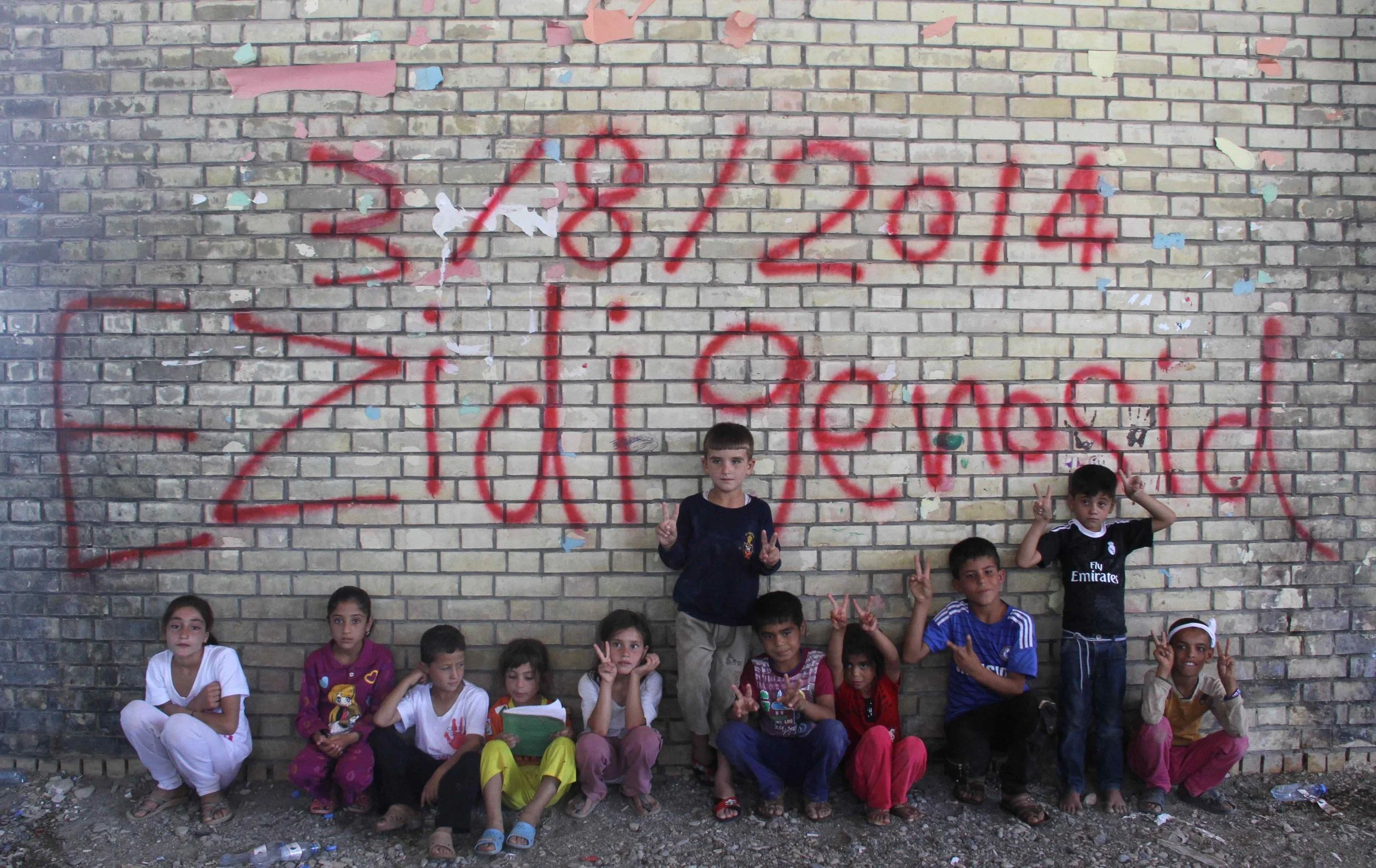
Dyab
How do personal and universal themes work in your film?
The personal is my affection for the Yazidi community. I am very fond of them and their beliefs and rituals; they are a small community who have been struggling for survival for the past millennium, and I visited them several times in the past and participated in their celebrations. Although, to be a Yazidi one must be born one, but I kept telling them in a number of occasions where I met their elders that I always believe I am one of them, which surprised them. Consequently, I was so heart broken when I heard about their crisis and couldn’t do anything, I promised myself that I will do my best to document the crisis as a universal problem, which can contain the themes of children, women, education and - above all - something that I love the most: filmmaking. Therefore I decided to find a protagonist that will share the same passion of film and cinema, and Dyab was clearly the perfect candidate, as he really loves filmmaking and cinema, and wants to tell the stories and sufferings of his people to the outside world, which is exactly what I want to do regarding the minorities in Iraq.
How have the script and film evolved over the course of their development and production?
Usually when you make a documentary it is very hard to script everything, although I do script most of the ideas, and I treat the storyline exactly like I do when I write a fiction script. But with this film, the experience was very different, I planned a storyline that can fit a hybrid documentary mode, and I decided to mix two events; one, the idea of the reaction with the children and utilise observational documentary mode focusing on the first anniversary of the genocide which we filmed in one day on 03/08/2015. However, when I was working with Dyab, new ideas was evolving as I was getting to know him better and I decided to draw a shady line between fiction and documentary, and lots of people think it’s a docudrama mode, which it's not, it’s clearly a documentary film, with fiction story telling and nonlinear editing behind it, which became even more clearer to me during the post-production of the film.
What type of feedback have you received so far?
I have received very positive feedback about the film, most of the film festivals I have attended the audiences were very encouraging and positive, and even surprised to know the abilities of the kids, while they were living as refugees at a refugee camp but they have a total desire to learn more about filmmaking and express their ideas and opinions so bravely.
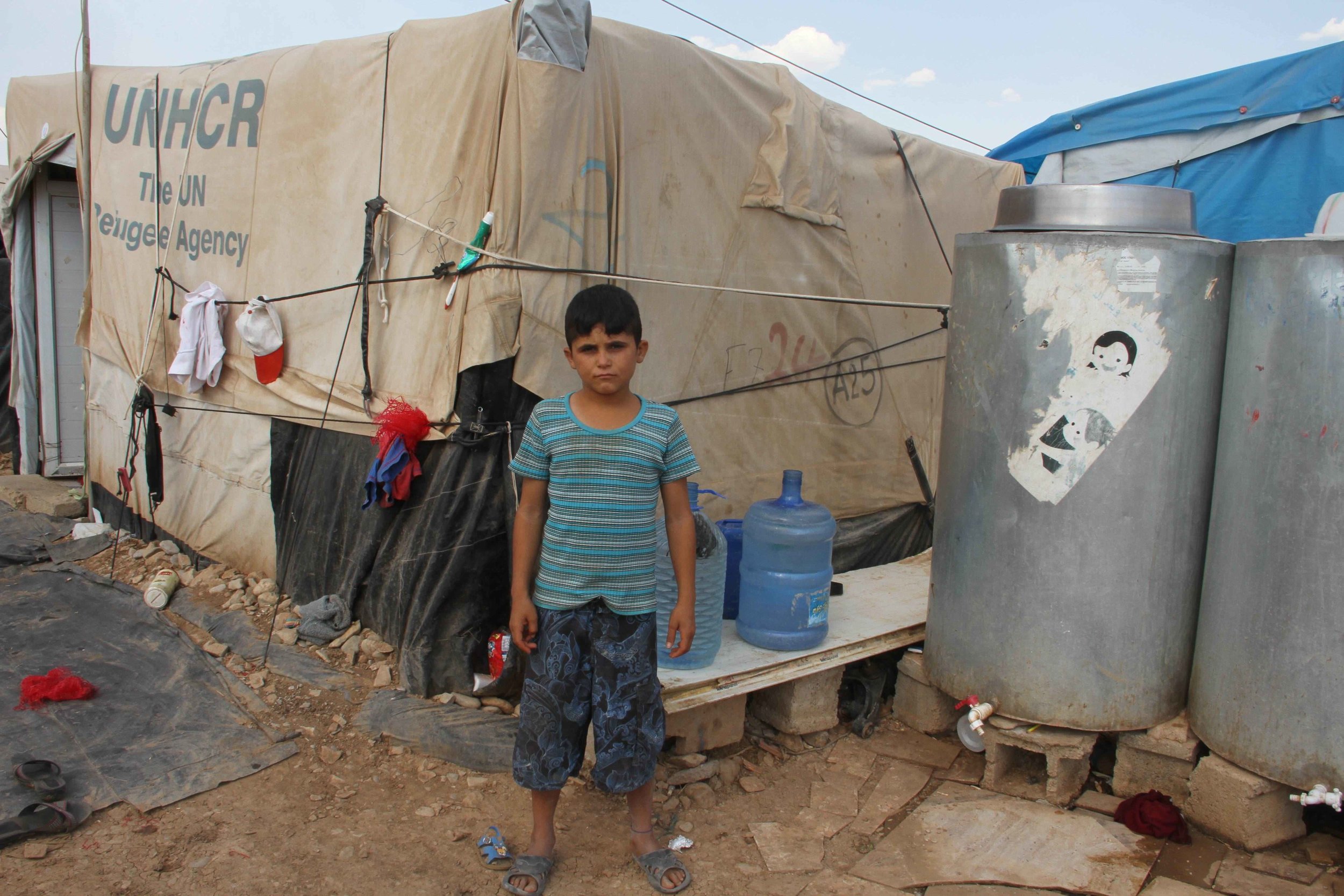
Dyab
Has the feedback surprised or challenged your point of view?
As a filmmaker you always strive to satisfy the audiences' expectation, but I was overwhelmed to see how people from different parts of the world reacted so passionately to the story, the children, and the Yazidi crisis. Some people didn’t know anything about them, and they were telling me now they will go and find more about their history, religion and what happened to them and why, which is something I really wanted the world to know bit more about.
What are you looking to achieve by having your film more visible on www.wearemovingstories.com?
I would like the film to be watched by more people and expose the facts more extensively and reach wider audiences around the world, and help build the confidence of other filmmakers who are passionate about these type of stories to reach more audiences.
Who do you need to come on board (producers, sales agents, buyers, distributors, film festival directors, journalists) to amplify this film’s message?
Obviously, as an independent filmmaker, we are always trying to draw the attention of buyers, distributors and producers to take the film to a wider audience, although I feel very strongly about film festivals and show my works there but at the same time we need to reach other audiences who are not festival attendees, and of course journalists and media are very important to amplify the message of the film and explain the reasons behind making these type of films, as they are made with very small budgets, and the only publicity we receive is when we win awards, which for my part we have been lucky as we have won numerous awards around the world, a case that is very difficult when it comes to short documentaries.
What type of impact and/or reception would you like this film to have?
I would like the film to bring more tolerance and acceptance among people, and to treat each other equally and help those that are in need now, and specifically to pay more attention to the troubles of the refugees and people who are fleeing war and disasters around the world and above all love of humanity, not matter where they are from.
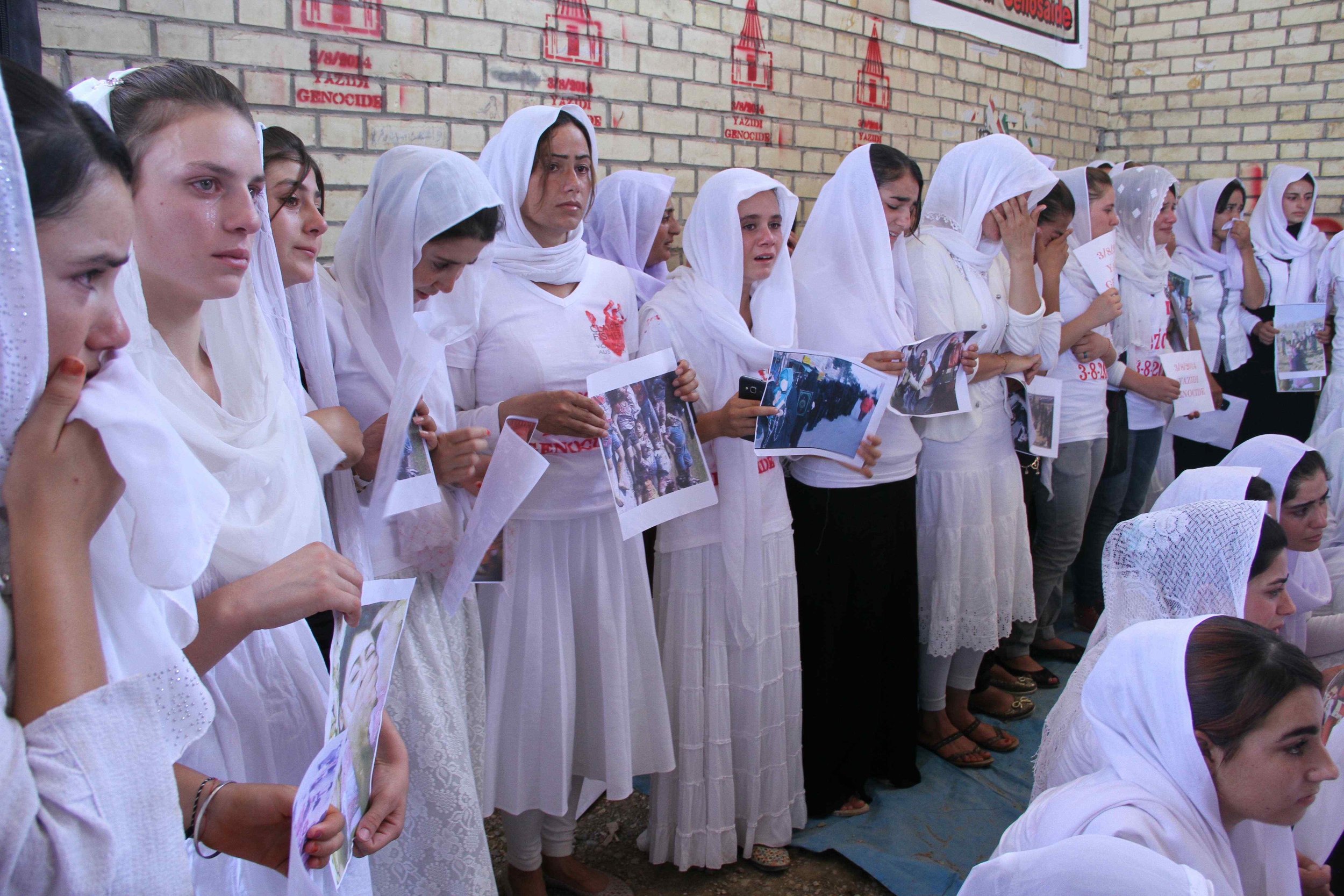
Dyab
What’s a key question that will help spark a debate or begin a conversation about this film?
Why is Dayb, a 12-year-old Yazidi boy and the protagonist of the film so passionate about telling the world about what is happening to his people now?
Would you like to add anything else?
I would just like to add that the world must not forget about what is happening to these innocent people and not to forget that there are still more than 3000 Yazidi women in captivity and treated as sex slaves, I would like the world to collectively help them and free them.
What are the key creatives developing or working on now?
I just finished a new documentary about the Christians of Iraq and they too just like the Yazidis are facing extinction after their houses and churches been destroyed by Daesh (Isis).
Interview: March 2017
_______________________________________________________________________________
We Are Moving Stories embraces new voices in drama, documentary, animation, TV, web series and music video. If you have just made a film - we'd love to hear from you. Or if you know a filmmaker - can you recommend us? More info: Carmela
_______________________________________________________________________________
Dyab
12-year-old Dyab is a refugee Yazdi boy who has a knack for filmmaking and tells his stories to the outside world.
Length: 20 minutes.
Director: Mazin Mahdi Sherabayani
Producer: Mazin Mahdi Sherabayani
Writer: Mazin Mahdi Sherabayani
About the writer, director and producer:
Born in Iraqi Kurdistan in the city of Kirkuk, holds MA Film, TV and Screen Media from Birkbeck University. Based in London/UK.
Key cast: Dyab Qamo, Razan Shamo, Rami Khalf.
Looking for (producers, sales agents, buyers, distributors, film festival directors, journalists): yes
Funders: yes
Made in association with: Maz Film Production
Where can I see it in the next month?
The film is taking a part at 5th Nepal Human Right International Film Festival.