Battalion To My Beat
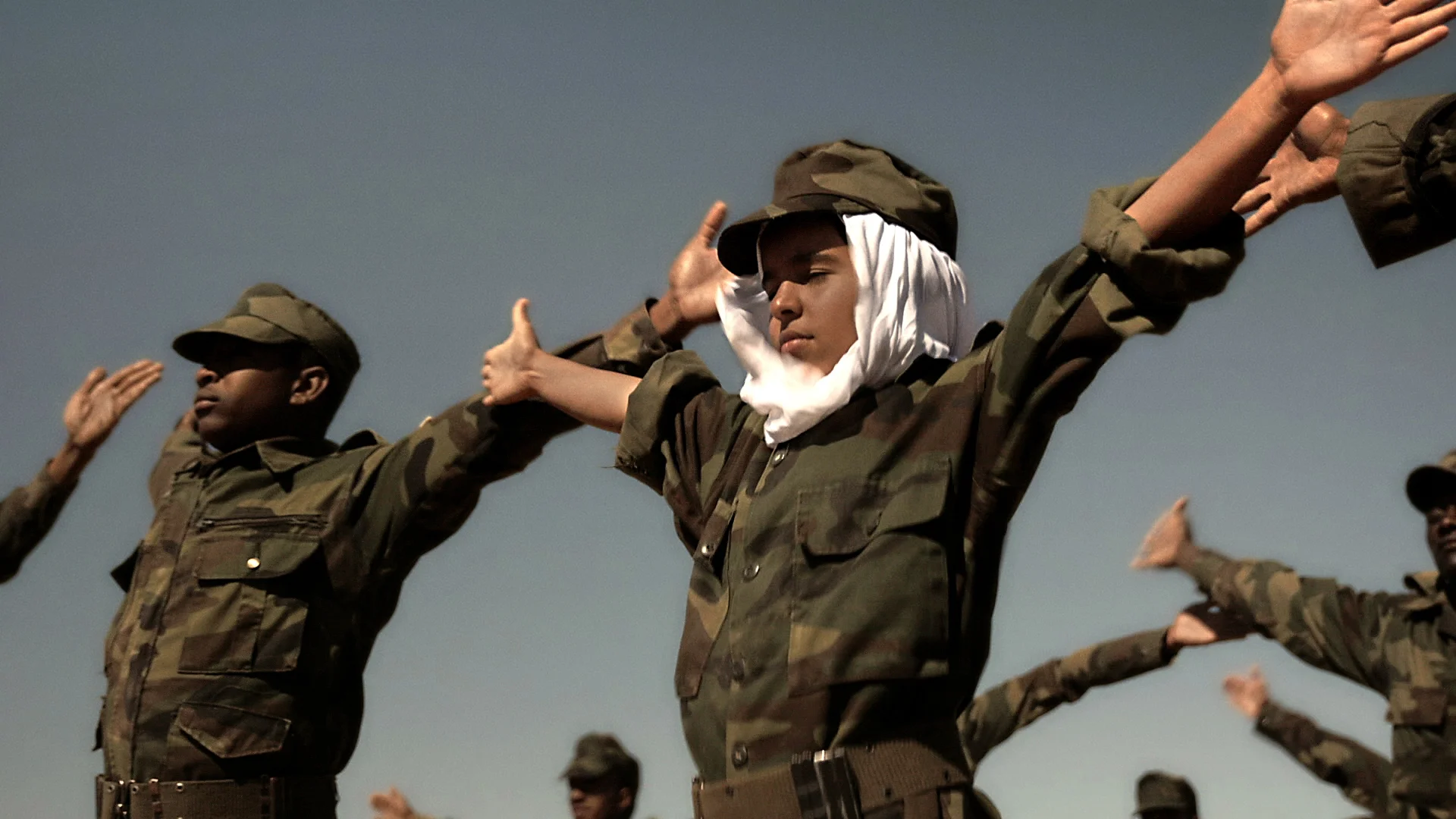
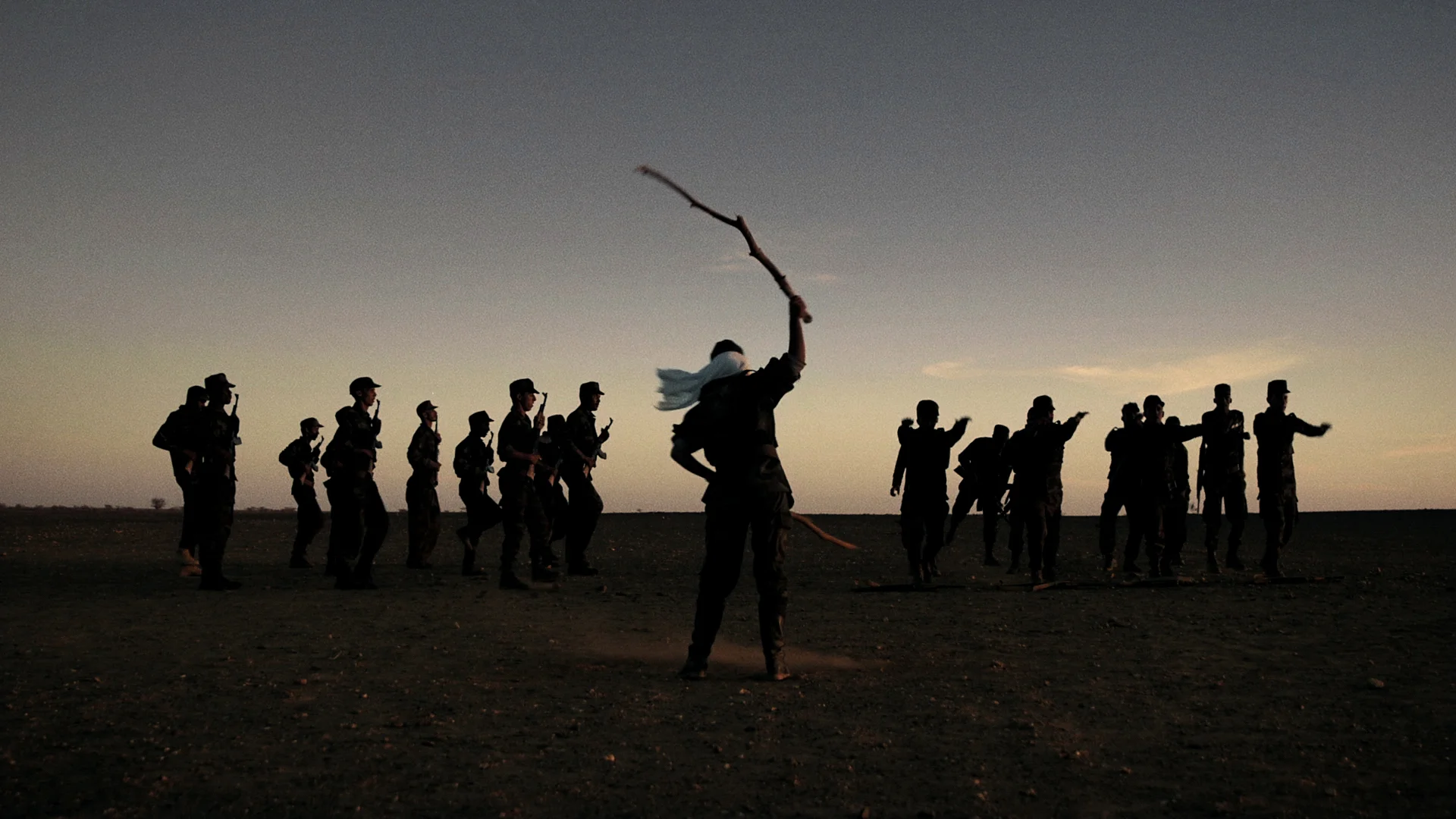
A restless and rebellious teen girl feels confined by the restrictive duties of daily life in a Saharawi refugee camp — and runs away to join the army, seeking to liberate both her people and herself.
Interview with Director Eimi Imanishi
Watch Battalion To My Beat here:
Congratulations! Why did you make your film?
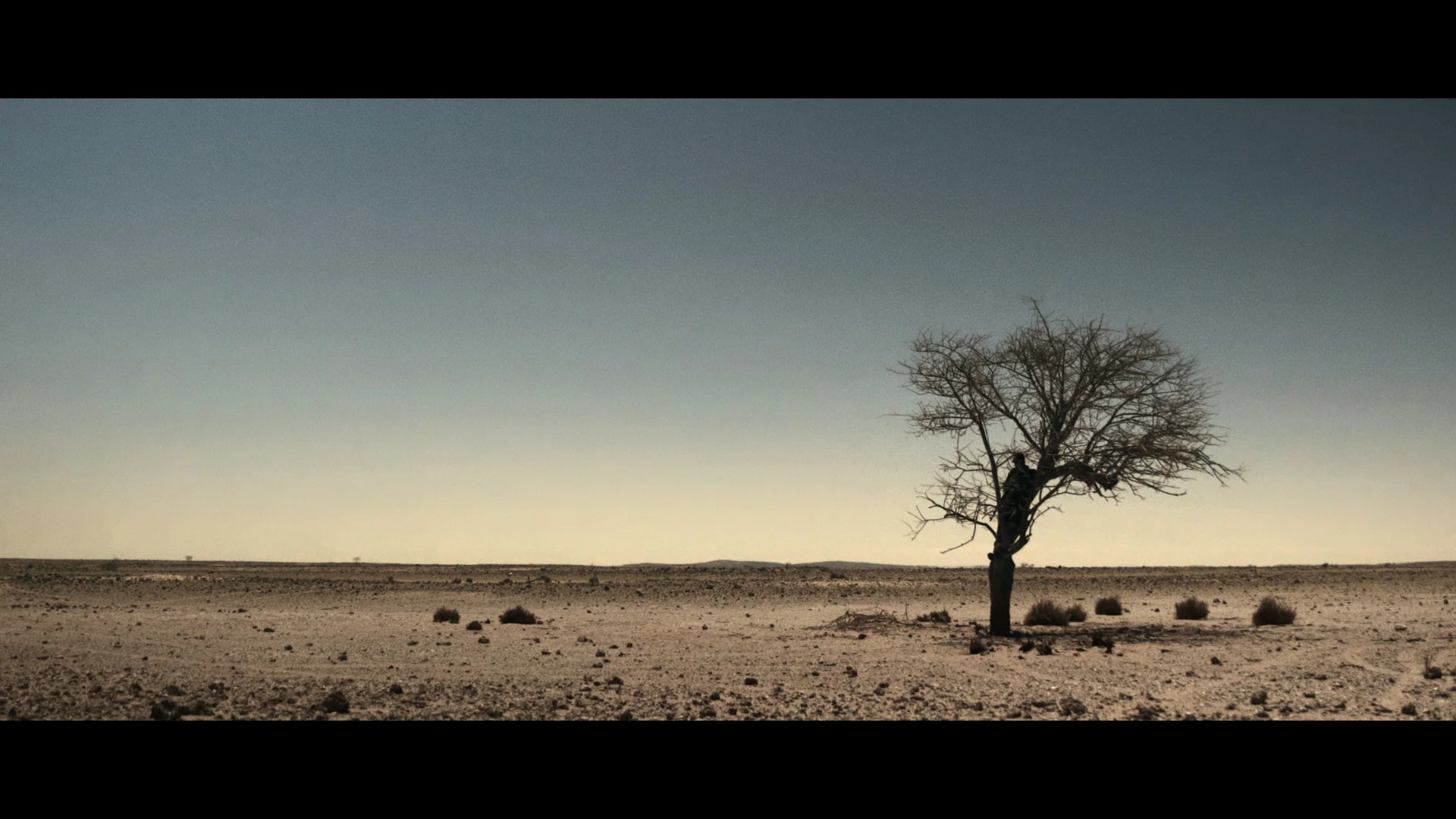
Back in 2010, I decided to make a documentary film about the Moroccan occupation of Western Sahara after the violent dismantling of the Gdeim Izik protests in Laayoune by the Moroccan police force. The utter lack of coverage of these events on international media outlets is what compelled me to make a film that would somehow put the country’s issues on the grid.
As soon as I arrived in Western Sahara however, I encountered problems with the Moroccan secret police that blackmailed and threatened my Saharawi husband’s family who live in the territory, and I was forced to abandon the documentary project. Shaken but still determined, I decided to turn to fiction where I could obscure political intent in the narrative without effacing it, and with a loose script in hand I traveled to the Western Saharan refugee camps in Algeria in search of people who would be interested in working with me on a short film. BATTALION TO MY BEAT is the result of this collaboration in the camps.
Imagine I’m a member of the audience. Why should I watch this film?
I believe each of us is implicated in some way in any political issue of this world, and that simply knowing more can lead to the hope of bettering the lives of thousands of people.
Battalion To My Beat
How do personal and universal themes work in your film?
I am interested in the human sentiment of belonging, whether to a place, nation, or a culture, and how much one’s identity gets intertwined with these elements. I am also interested in the capacity of this sentiment to lead people to violence or to courageous acts. I grew up not quite belonging anywhere because I am of mixed ethnicity and my family frequently moved from country to country. I often sensed a void due to this, which I think made me more sensitive to these themes.
How have the script and film evolved over the course of their development and production?
The script was very loose, depicting a series of events and a general arc in the protagonist’s actions and emotions that I wanted to follow, but not much else. Because I do not speak the Arabic dialect spoken by Saharawis very well, I worked with the translator (also Assistant Director) and the actors to find words and tones that emoted what was necessary for that scene. We scouted locations as we progressed, found family members and friends on the day of to take part in a scene, and cobbled together the whole thing.
What type of feedback have you received so far?
By far the most common feedback is how powerful our lead actor Mariam’s performance is in the film, and how that allowed them to feel for her and for the situation in the refugee camp.
Has the feedback surprised or challenged your point of view?
The audience's responses and questions surrounding the film have in some ways changed my perception of my own relationship to the material. It has made me look deeper for my own ties to the material, aside from a passion for social justice.
What are you looking to achieve by having your film more visible on www.wearemovingstories.com?
The more visibility the film gets, the more people will know about Western Sahara, which was one of my main goals in making this film.
Who do you need to come on board (producers, sales agents, buyers, distributors, film festival directors, journalists) to amplify this film’s message?
Gratefully, the film has had some success on the festival circuit. We are looking for distributors who have a wider reach so that more people can access the film, and for more press as the problem that Western Sahara suffers the most from is the media black out caused by Morocco and other countries barring satellite access.
Battalion To My Beat
What type of impact and/or reception would you like this film to have?
I want the film to help bring peaceful but concrete diplomatic change to the Western Saharan situation. The Saharawi youth are talking about going to war against Morocco, and this would be a heart breaking defeat after so many years of choosing peace and believing in the international community to do right by the laws that decry what Morocco has been doing for the last 40 years. There should be no war while governments stand to represent the people.
What’s a key question that will help spark a debate or begin a conversation about this film?
How can we better diplomacy to avoid war?
What are the key creatives developing or working on now?
DOHA – The Rising Sun
Hakim returns to Western Sahara broke and paperless – failing his go at the European dream – only to find himself entrapped under the Moroccan regime and the hash dealing life he had left ten years prior. When a drug deal goes bust he decides to become a fisherman in the waters that free him from the city’s drugs and police, even though he knows nothing about fishing.
Length: 1hr 30min
Director: Eimi Imanishi
Producer: Julia Thompson, Eimi Imanishi
Writer: Eimi Imanishi
Interview: October 2016
_______________________________________________________________________________
We Are Moving Stories embraces new voices in drama, documentary, animation, TV, web series and music video. If you have just made a film - we'd love to hear from you. Or if you know a filmmaker - can you recommend us? More info: Carmela
_______________________________________________________________________________
Length: 13 minutes
About the writer, director and producer:
Eimi Imanishi (Writer/Director) – is a U.S. born Japanese citizen who grew up in France. She completed her BFA at the Slade School of Fine Art, University College London. Her first short film BATTALION TO MY BEAT premiered at Toronto International Film Festival, among other notable festivals.
Co-Producers / Julia Thompson, Ghalia Omar Ahmed
Cinematographer / Christian Cruz
Editor / Kim Spurlock
Sound Designer / Raul Garcia
Colorist / Phil Choe
Assistant Director / Ahmed Mohamed Lamin
Sound Recorder / Lihe Abdel Rahman