Rachel: A Perfect Life
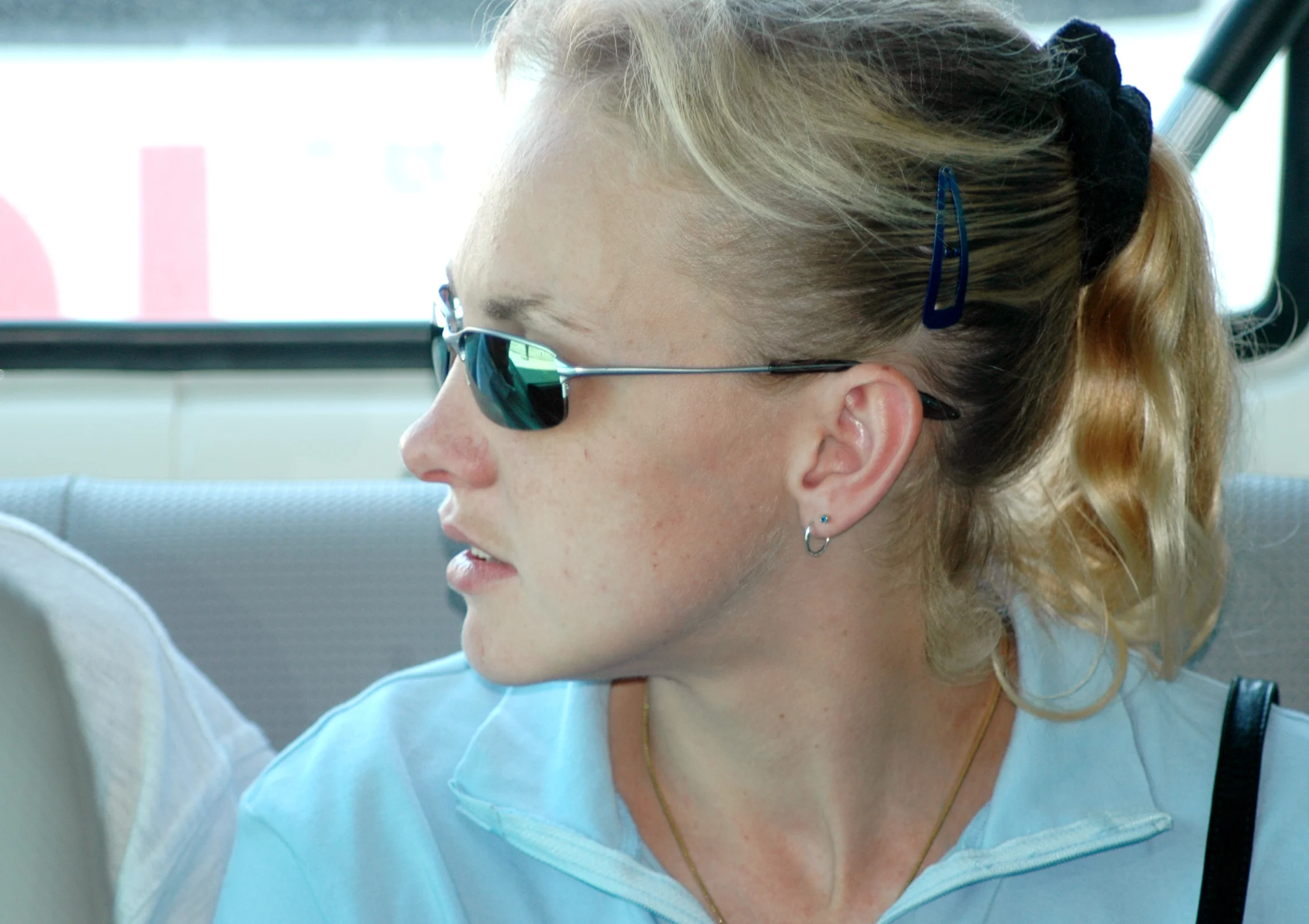
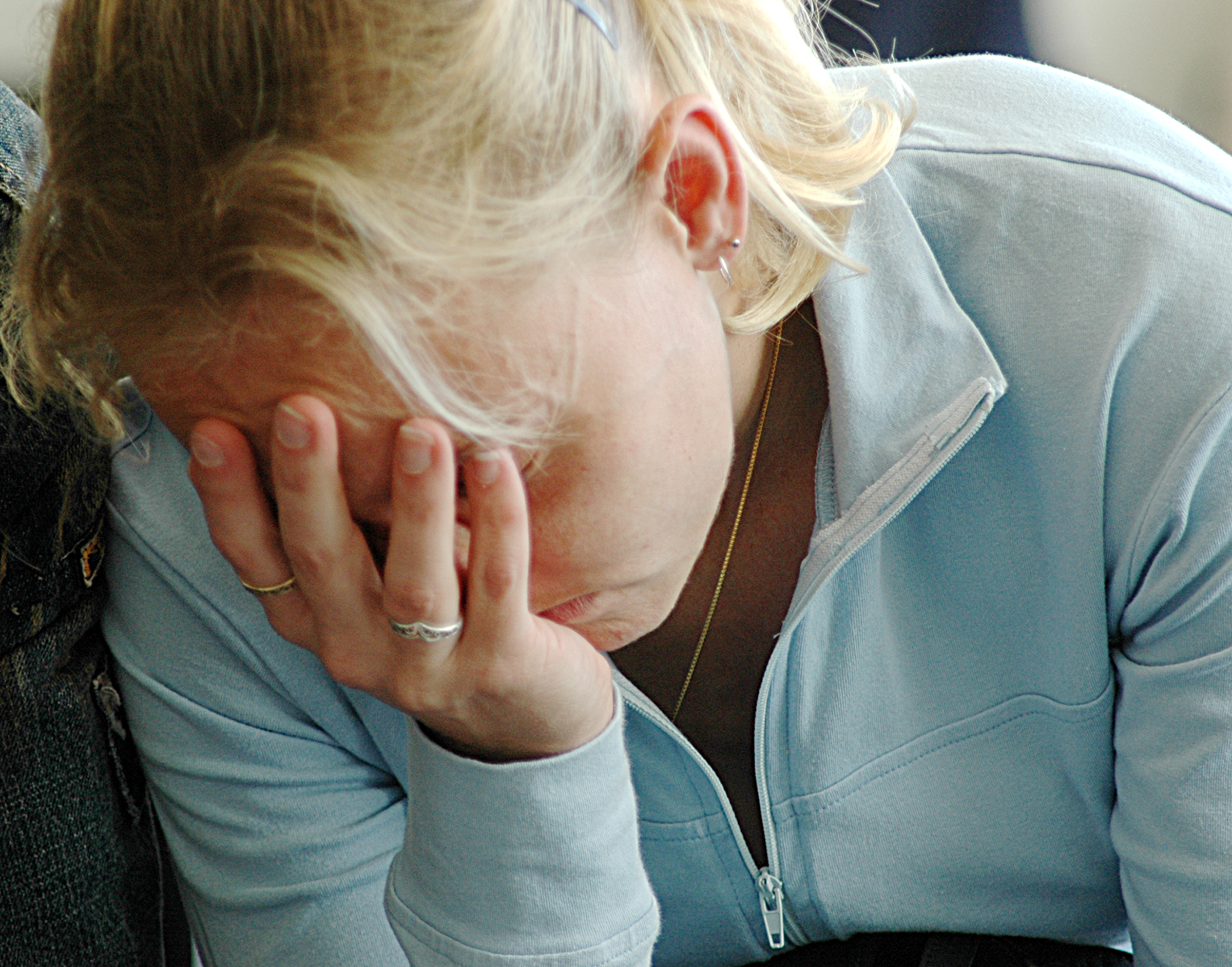
Rachel is a single mother and a very resilient young woman who has faced many problems growing up. Now she wants brain surgery to rid her of the epilepsy that is ruling her life. This intimate observational documentary follows her through the assessment process for this surgery and the subsequent brain surgery, with many dramatic twists and turns along the way.
Interview with Director/Producer Fiona Cochrane
Why did you make RACHEL: A PERFECT LIFE?
I have a medical background and knew that the commissioning editor for documentaries at SBS at the time was interested in Australian medical discovery stories. Professor Sam Berkovic at the Austin Hospital is one of the leading epilepsy specialists in the world and had discovered genetic links to many different forms of epilepsy so I set up a time to meet him.
While waiting in his office reception I picked up a magazine about the epilepsy surgery unit at the Austin and read an extraordinarily moving article written by a NZ patient about her experience having surgery – I had found my story. Much of Sam’s epilepsy work is fantastic but not highly filmic and he agreed that following a patient through epilepsy surgery would be the most visually interesting.
Imagine I’m a member of the audience. Why should I watch this film?
If you have friends or family members with epilepsy you may be interested – and epilepsy is the most common neurological disease, affecting about 3% of the population. Most people are controlled with medication and don’t require surgery, but some can have their epilepsy eradicated with surgery such as this.
If you don’t have any contacts with epilepsy you may still be interested in watching this documentary because it is an emotional journey for Rachel, which raises a lot of her other personal life issues (I don’t want to be a spoiler here).
Be aware that it does show some brain surgery though, so there’s a bit of blood on screen which the squeamish might have to look away at.
What led you to this story?
Professor Sam Berkovic agreed to keep an eye out for a possible patient coming through his clinics, and after many months he selected Rachel when she came from interstate for a consultation with him.
Many people were surprised that he chose someone like Rachel because she had a lot of other social and psychological baggage but it proved to be a brilliant choice of his, as I’m sure he anticipated.
Rachel: A Perfect Life
Is this a personal or a universal story for you?
Both, although more of a personal story. It is a personal story of a brave young woman going through brain surgery to try and regain control of her life, but is also a universal story as many people suffer with epilepsy and some may be able to cure or control it much better via surgery such as this.
What type of feedback have you received so far?
It has had very positive feedback both within medical circles and at film festivals.
It was awarded the best documentary award about epilepsy made internationally for the last 10 years at the 2009 International League Against Epilepsy Centenary Awards for film. I’m not sure how many contenders they had but it’s nice to be recognized by those dealing with the issue medically.
What are you looking to achieve by having your film more visible on the platform?
The film is older and has now been screened at festivals and has an Australian educational distributor but as with all independent films, more exposure is always welcome and this film wasn’t screened much in Australia. It is available to download via New Filmmakers Online in the USA.
Who do you need to come on board to amplify the film’s message?
Interested viewers.
What type of impact and reception would you like this film to have?
Education about epilepsy and the other social issues raised in the film and their profound effect on the individuals involved.
What’s a key question that will help spark a debate or begin a conversation about this film?
Does Rachel really have epilepsy or is her problem psychological as a result of the other problems in her life?
Is there anything else you’d like to add?
In response to my question posed in Q10, I can’t let it go without saying that Rachel DEFINITELY had epilepsy, but although it was mild to outside viewers as she did not have grand mal epilepsy, its effects were amplified because it was yet another situation in which she was out of control, which for her amplified all the other situations in which she had been out of control. It therefore had a much larger psychological impact on her life than one might have expected.
What continuities and discontinuities are there between WOMEN ARE THE ANSWER, ALL IN HER STRIDE and RACHEL: A PERFECT LIFE?
All three films are about women. RACHEL and ALL IN HER STRIDE are both very personal stories about two very different women facing life-threatening events.
WOMEN ARE THE ANSWER is a more educational documentary trying to link up many of the environmental and social issues of our time and demonstrate some of the associated political and economic decisions that need to be made if we are to tackle them.
The latter does not have the emotional intensity of the other two films, but this was a conscious choice as the educational value of the documentary was its main purpose.
Interview: May 2016
_______________________________________________________________________________
We are moving stories embraces new voices in drama, documentary, animation, TV, web series and music video. If you have just made a film - we'd love to hear from you. Or if you know a filmmaker - can you recommend us? More info: Carmela
_______________________________________________________________________________
Rachel: A Perfect Life
Length – 90 minutes
Director/Producer: FIONA COCHRANE
Producer/ director FIONA COCHRANE has produced and/or directed several independent Australian feature films as well as numerous documentaries and short films. Her recent documentaries include the feature-length documentaries WOMEN ARE THE ANSWER and JOE CAMILLERI: AUSTRALIA’S MALTESE FALCON, as well as television documentaries ALL IN HER STRIDE, MUSIC OF THE BRAIN, OPERA THERAPY, TUG OF WAR and SCREAMIN’ WHEELIES. Her films have screened at numerous international festivals and received many international awards.
Fiona is also medically trained and continues to work as a General Practitioner in Melbourne.
Looking for: Distributors, interested viewers
AWARDS:
- Best Documentary at 2009 ILAE Centenary Award for Film
(for the best doco about epilepsy made internationally in the last 10 years)
- Gold Plaque at the 2008 HUGO Television Awards (USA)
(Science/ Nature documentary category)
- Best Feature Documentary at 2008 POW Fest/ Portland Women’s
Film Festival (USA)
2008 CINE Golden Eagle Award
- Bronze REMI Award at 2008 Worldfest-Houston (USA)
- Finalist for Best Direction in a Documentary at the 2008 Australian
Film Institute (AFI) Awards
- Finalist in the category “Directed By a Woman, Outstanding Film
or Show” at the 2008 Women’s Image Network (WIN) Awards (USA)
- Finalist at the 2008 New York Festivals’ Film & Video Awards
(Health/Medicine category)
- Honourable Mention at the 2007 Accolade Competition (USA)
(Health/Medicine category)
- 2007 Sydney Film Festival, Australia (Premiere)
- 2008 Mumbai International Film Festival, India
- 2008 REVOLVE Film Festival, USA
- 2008 Independents’ Film Festival, USA
- 2008 Lone Star International Film Festival, USA
- 2008 Anchorage International Film Festival, USA
- 2010 Heart of Gold International Film Festival, Australia
- 2010 Docutah, Southern Utah Int. Documentary Film Festival, USA
Production company : f-reel pty ltd
Produced with the assistance of the Australian Film Commission (now Screen Australia)
Completed June 2007