We are moving stories

  • 3500+ films
  • Alphabetical
  • Black Lives Matter (1)
  • Black Lives Matter (2)
  • Black Women's Voices (1)
  • Black Women's Voices (2)
  • LGBTQIA+
  • Lesbian (1)
  • Lesbian (2)
  • Gay (1)
  • Gay (2)
  • Queer (1)
  • Queer (2)
  • Queer (3)
  • Bisexual
  • Intersex & Asexual
  • Love Sex
  • Trans (1)
  • Trans (2)
  • LatinX (1)
  • LatinX (2)
  • LatinX (3)
  • FilipinX
  • Asian American
  • First Nations
  • Kids
  • Mothers
  • Daughters
  • Fathers
  • Teens
  • Coming of Age
  • Gen Z
  • Gen Z / Millennials
  • Millennials
  • Romance
  • RomCom
  • Comedy
  • Thriller
  • Action
  • Western
  • Zombies!
  • Horror (1)
  • Horror (2)
  • Other Worlds
  • Supernatural
  • Fantasy
  • Scifi
  • Technology
  • VR
  • Social Media
  • Women & Animation (1)
  • Women & Animation (2)
  • Artists
  • Musicians
  • Dancers
  • Fashion
  • Mental Health (1)
  • Mental Health (2)
  • Disability (1)
  • Disability (2)
  • COVID-19
  • Migration
  • Refugees Welcome
  • Holocaust
  • Democracy
  • Gun Violence
  • Climate Crisis Solutions
  • Food
  • Cities
  • Home/less
  • Faith and Spirituality
  • #metoo
  • Rape Culture
  • Right to Choose
  • Award-winning
  • Sundance
  • Hollywood
  • Actors
  • Canada
  • Quebec
  • Pasifika
  • French Cinema
  • New Italian Cinema
  • Germany
  • Russia
  • UK
  • Australia
  • New Zealand
  • China
  • South Asia
  • India
  • MENA - Middle East/North Africa
  • Surfing
  • Sport
  • Adventure
  • Drugs
  • Addiction
  • Hip Hop
  • Subcultures
  • Cats and Dogs
  • Animals
  • Environmental
  • AFI Conservatory
  • Filmmakers to Watch (1)
  • Filmmakers to watch (2)
  • Members FAQ
  • why now
  • New Projects
  • Film Finder
  • Database
  • TOS
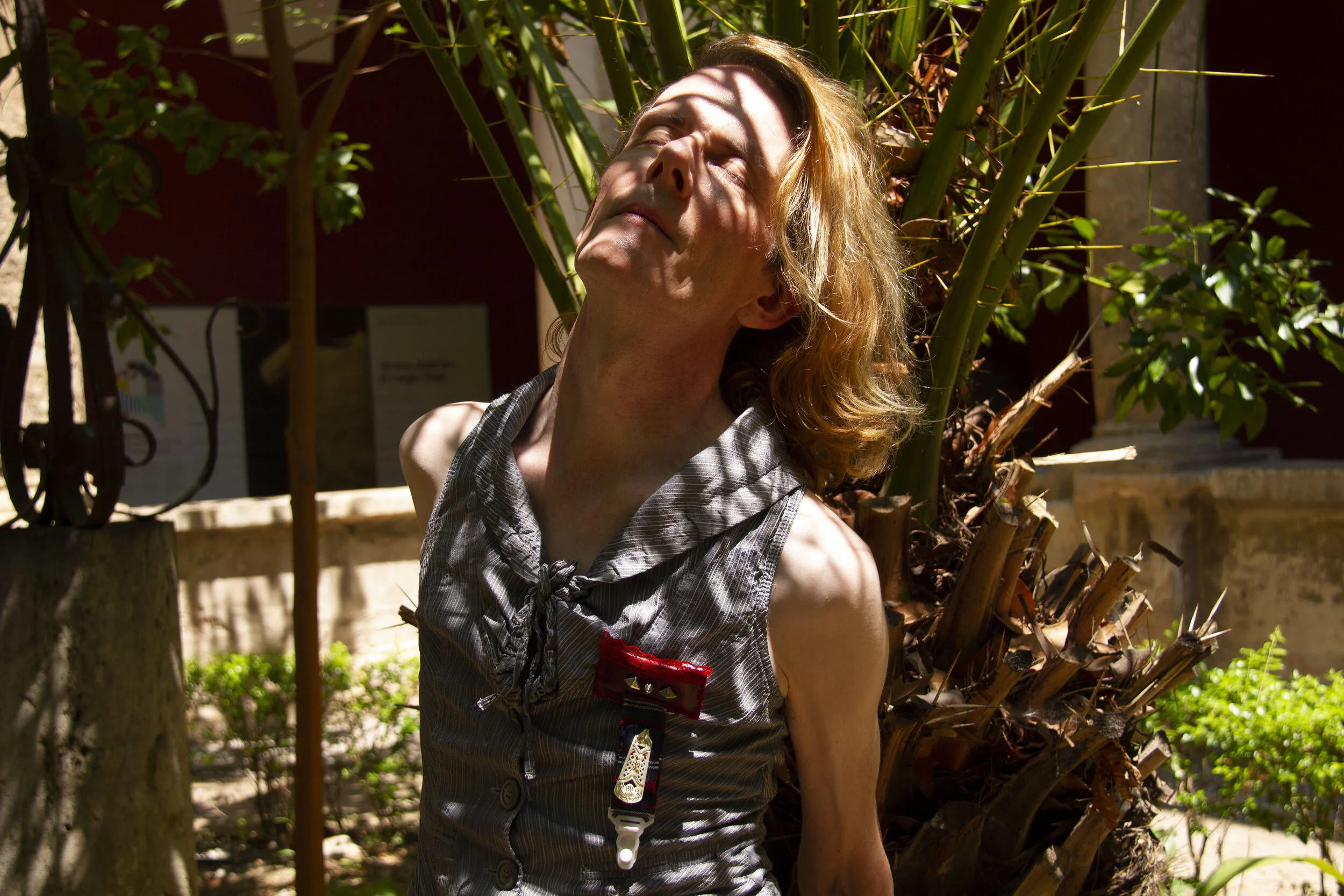
GBT_MG_0299_2.jpg

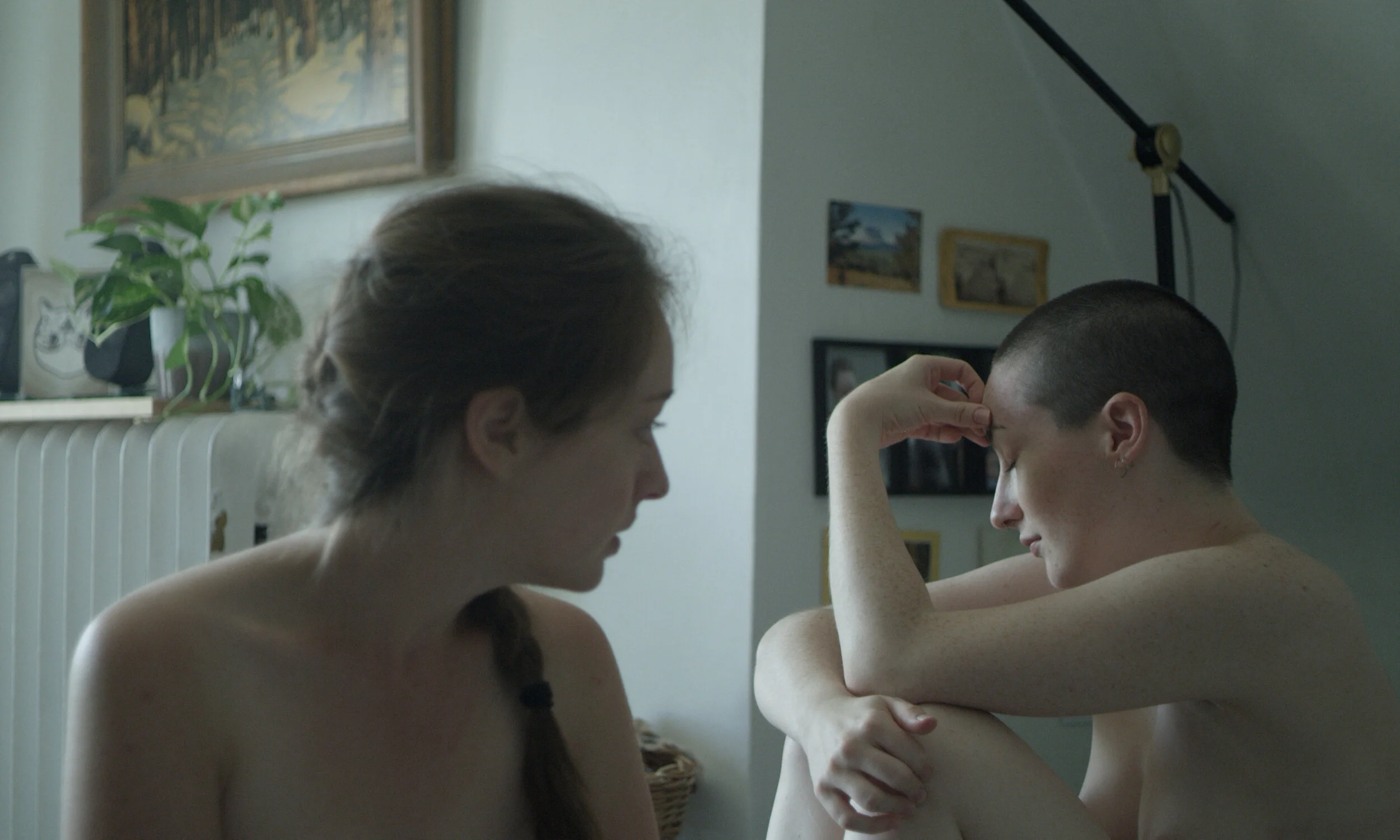
Ni Naiz Naizena (I am who I am)

August 26, 2021 by Carmela Baranowska

Documentary web series about the experiences of 10 trans people.

Interview with Writer/Director Izaskun Arandia


Congratulations! Why did you make your film?

Because I wanted the public to learn about the different trans experiences, and cis people like myself to realize how privileged we are. To give trans people a platform to express themselves and tell the world their experiences.

Imagine I’m a member of the audience. Why should I watch this film?

Because you can learn about the trans community and different trans experiences with a very positive, uplifting message, in a short, attractive format.
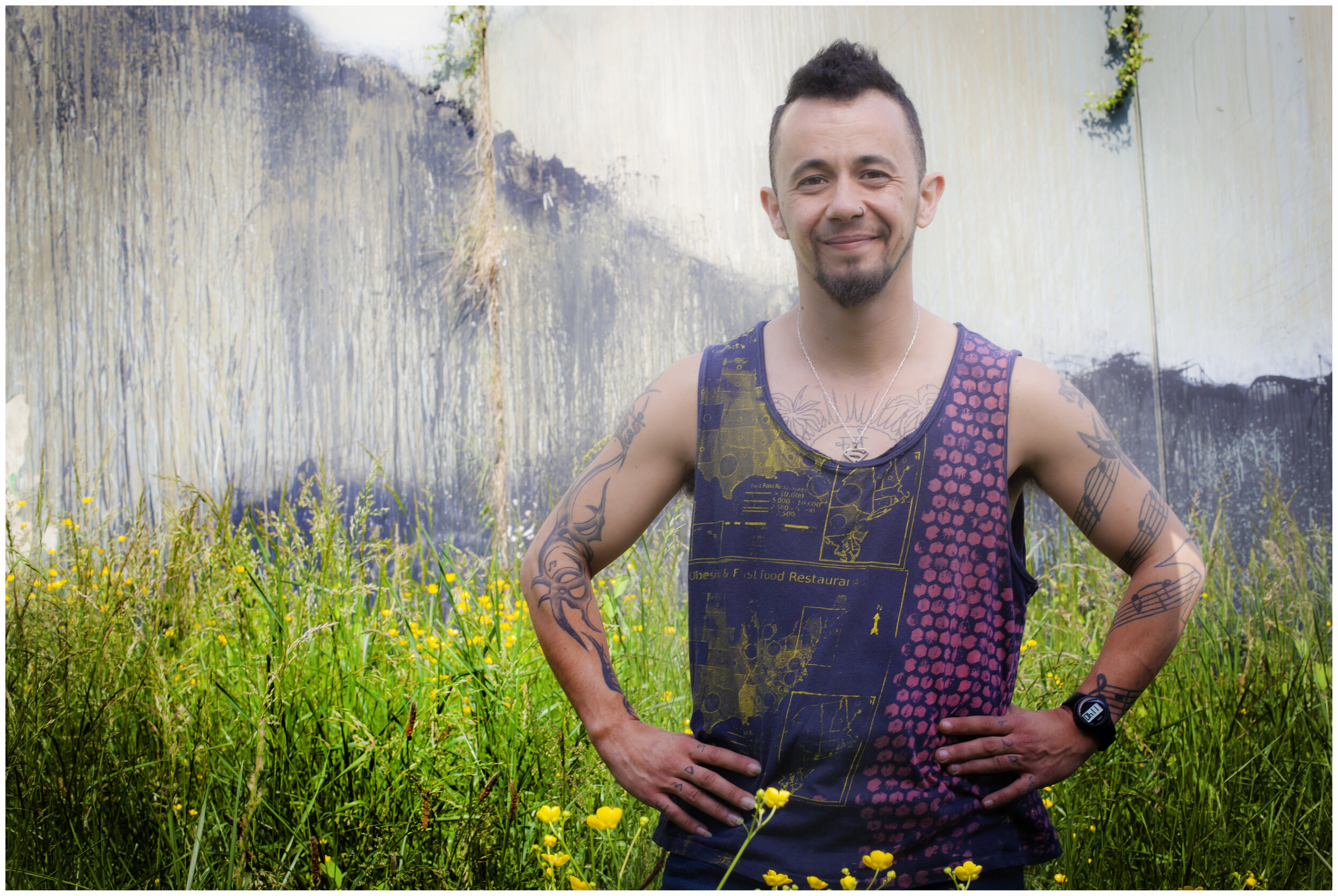
Ni Naiz Naizena (I am who I am)

Ni Naiz Naizena (I am who I am)

How do personal and universal themes work in your film?

- The personal experiences of our protagonists, all different.
- The universal things that all protagonists have in common such as dreams, fears, family, bullying, love, and overcoming struggles.

How have the script and film evolved over the course of their development?

Yes, most definitely. The project started being a documentary about a transvestite friend of mine and during the development process, getting to know different people, we realized that the project had to be about the trans experience.
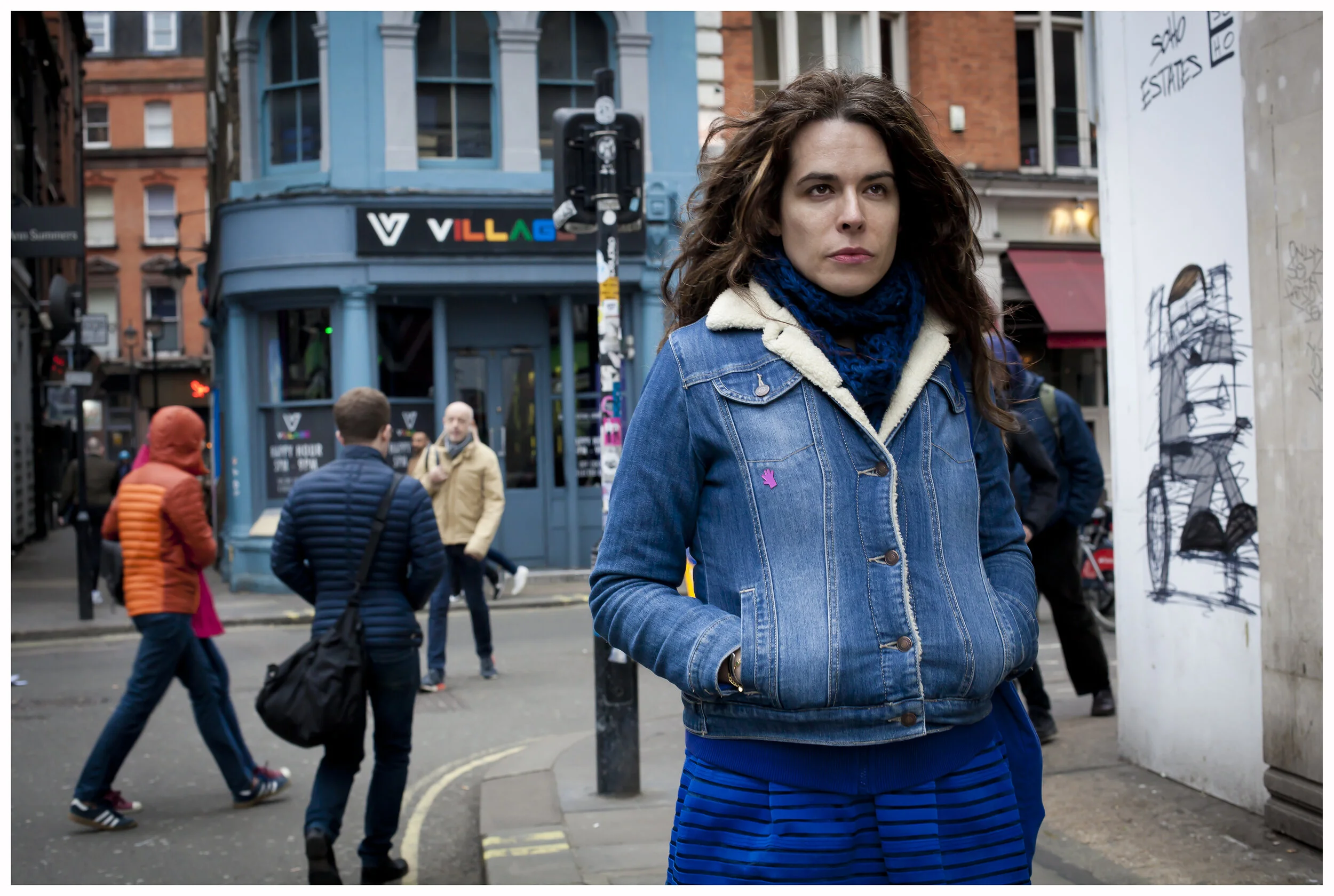
Ni Naiz Naizena (I am who I am)

Ni Naiz Naizena (I am who I am)

What type of feedback have you received so far?

It's been overwhelming. People love it and comment on how much they have learnt watching it. I believe it has also been positive for our protagonists, as it has given them a platform to express themselves.

Has the feedback surprised or challenged your point of view?

It has surprised me as I didn't expect it to be so positive.

What are you looking to achieve by having your film more visible on www.wearemovingstories.com?

More visibility for the webseries.
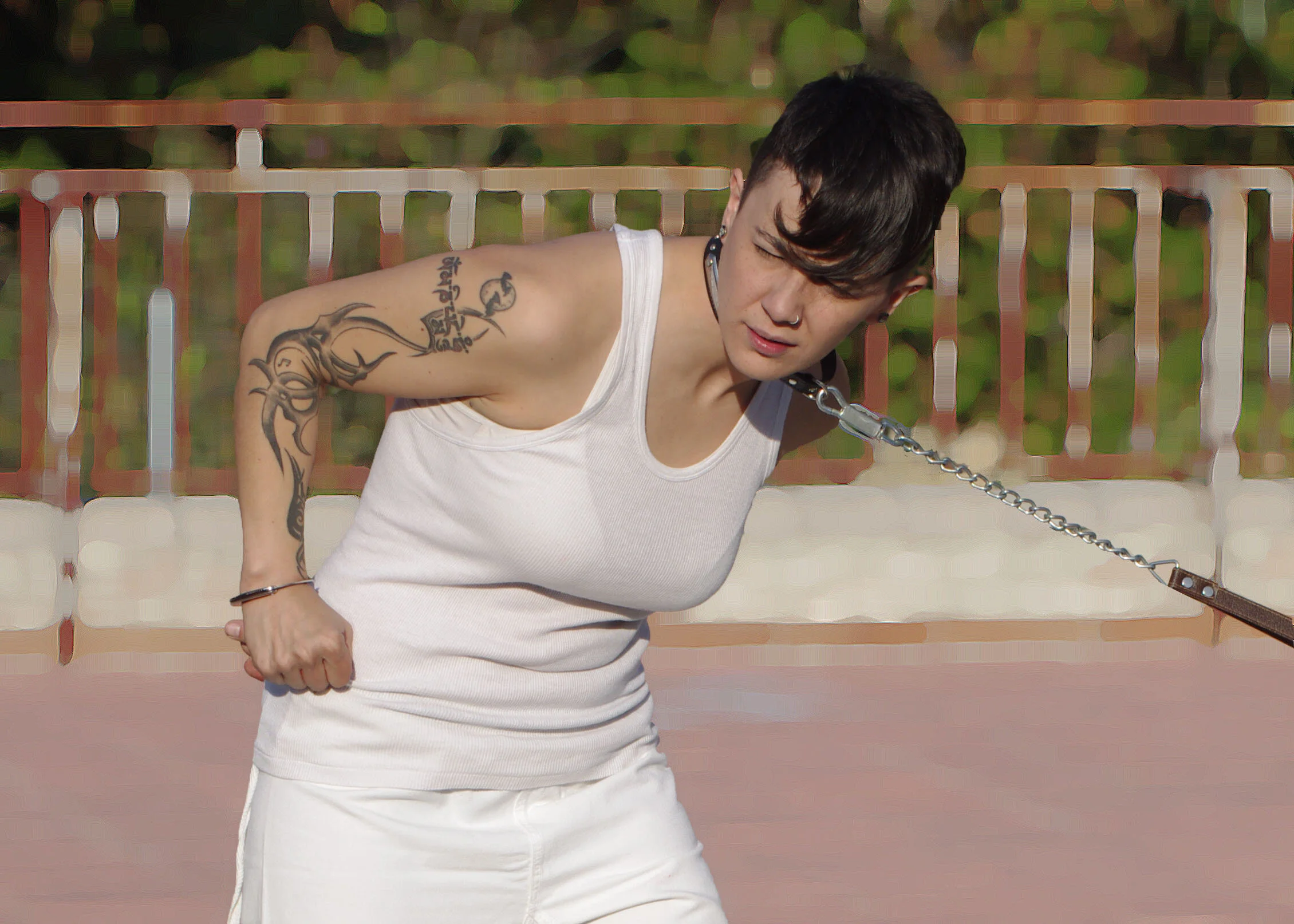
Ni Naiz Naizena (I am who I am)

Ni Naiz Naizena (I am who I am)

Who do you need to come on board (producers, sales agents, buyers, distributors, film festival directors, journalists) to amplify this film’s message?

The project is now finished so we are mainly looking for distributors, sales agents, film festival directors

What type of impact and/or reception would you like this film to have?

I would like it to be watched all over the world and for the general public to feel more empathetic towards trans people.

What’s a key question that will help spark a debate or begin a conversation about this film?

- How important is gender (and how you feel about it) in your daily life? Why?
- Would you date a trans person? If the answer is no, why not?

Would you like to add anything else?

I had my short film Night Shift on your website and it was a great experience. Thank you!
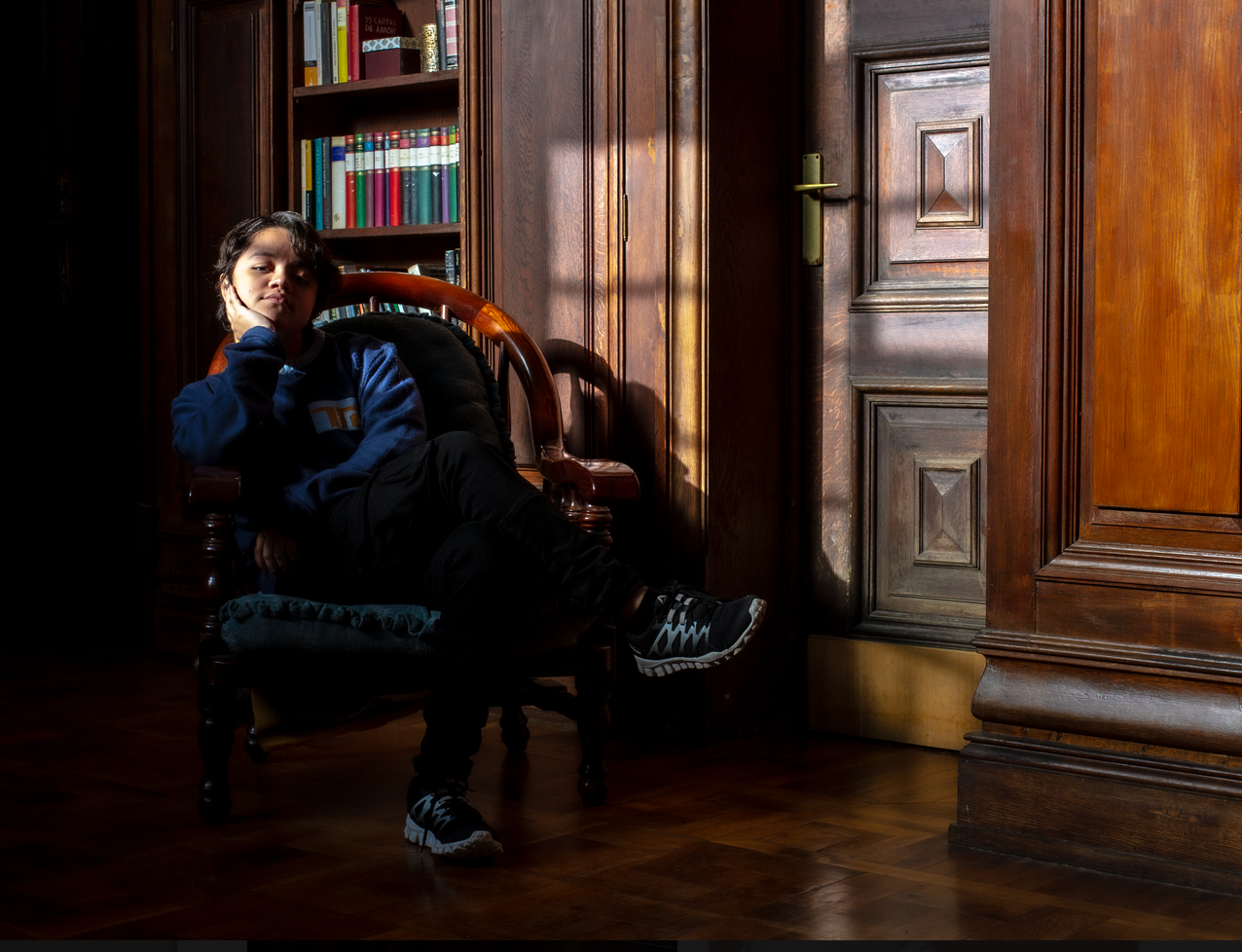
Ni Naiz Naizena (I am who I am)

Ni Naiz Naizena (I am who I am)

What other projects are the key creatives developing or working on now?

-I'm editing my feature documentary My Way Out about the legendary trans dance club in London, and its founder Vicky Lee
-I'm producing a short animation by two young female filmmakers about motherhood and the pressures that women have suffered (from family and society) for generations.


Interview: August 2021


We Are Moving Stories embraces new voices in drama, documentary, animation, TV, web series, music video, women's films, LGBTQIA+, POC, First Nations, scifi, supernatural, horror, world cinema. If you have just made a film - we'd love to hear from you. Or if you know a filmmaker - can you recommend us? More info: Carmela


Ni Naiz Naizena (I am who I am)

Length:

web series

Writer/Director/Producer

IZASKUN ARANDIA
After directing 3 short films, this is the first web series as a director for writer/producer Izaskun Arandia. Having always been interested in social issues and human rights, she has spent the last 5 years learning about the experiences of many trans people. She collects 10 different stories in this web series in an empathetic attempt to give a platform to those less privileged voices.


Key cast:

Aitzole Araneta, Victor Viruta, Graham Bell Tornado, Alice Diez, Kimberly Zambrano, Victor Alvarado, Eder Iturralde, Fergi Barahona, Josebe Iturrioz

Looking for:

film festival directors, distributors

Facebook:

https://www.facebook.com/izarfilms

Instagram:

http://instagram.com/izarfilms

Twitter

https://twitter.com/nnaizena

Hashtags used:

#ninaiznaizena

More info:
www.izarfilms.com


August 26, 2021 /Carmela Baranowska
Comment

Heavy Petting

August 26, 2021 by Carmela Baranowska

An eerie bifurcated character drama about a queer encounter between two lonely cat enthusiasts, and a macabre test of one’s social obscurity.

Interview with Writer/Director/Producer Brendan Prost


Congratulations! Why did you make your film?

I made this film because I wanted to examine the distinction between loneliness and desolation, and express the unsettling experience of degenerating from one to the other.

Although the gentle melancholy of loneliness may be a natural feature of the human spirit, as someone who has persistently descended into the aberrant solitude of mental illness, I know that it’s vital to develop an understanding of the difference between these two experiences, and how easily it can be to slip from one to the other without certain supports. I wanted to see what areas of overlap and difference became clear when you put these emotional worlds next to one another, and what kinds of triggers or traps pull you into the darkness.

In a way, the film is also a fuck you to people who have previously dismissed my work as low-stakes or frivolous. I've always been interested in characters teetering between sensitivity and invisible illness or disability, because it's a place I live somewhere between myself. So, it can be very hurtful to see people disregard my movies as insubstantial or dull. Although mental health issues often initially present as modest, they are an insidious social sickness that need to be confronted with compassion, dialogue, and the proper interventions. Evidence mounts that worsening patterns of depression and suicide are becoming generation-defining problems. People need to take it seriously, and the morbidity and creeping horror of Heavy Petting is a way to confront people with the high-stakes.

HeavyPetting_1_4_1.jpg

Heavy Petting

Imagine I’m a member of the audience. Why should I watch this film?

This is a film for people who have ever felt invisible or disposable, and have been driven to despair because of it. My work has always been primarily for young adults— whose experiences of alienation are especially acute. But, this film is especially for queer people who know the sting of marginalization and fetishization better than most. And, even more particularly for bisexual folks, whose suffering often goes unnoticed or is dismissed entirely.

But also more generally... if you've ever done something stupid, desperate, or gross because you were lonely— you should watch this movie. Woke up regretting who you slept with? Pretended to be into something sexually to get someone to like you? Masturbated to pictures of your ex? This will probably be a movie that resonates with you in an unsettling way.

How do personal and universal themes work in your film?

With this film, I really tried to embrace the weirdest and darkest parts of my imagination. There's been times in the past where my desire to reach a certain audience has guided me to make safer or more familiar choices as a filmmaker, which has led to a certain degree of emotional murkiness I wasn't pleased with. But, on this film I gave myself permission to let my freak flag fly, and I think it has yielded something quite idiosyncratic and unnervingly personal. This film really makes me feel "seen" as the desperately sad and horny person I am.

I don't know how universal it will be! It is pretty weird and morbid. But, seeing how much people love Phoebe Bridgers— who also seems fascinated with the intersection between sex, sadness, and death— makes me feel confident that there's an audience out there somewhere for Heavy Petting.

Heavy Petting

Heavy Petting

How have the script and film evolved over the course of their development?

I actually coalesced two distinct stories together when the emotional thesis for the film emerged in my spirit somewhere. I had two half-baked projects sitting on the backburner, and when I developed an interest in this idea of distinction/degeneration they each seemed like the perfect counterpoint to the other. So, the writing process was also about discovering an opportunity for the two characters to intersect and go their separate ways, and how to draw the contrasts between their individual stories.

What type of feedback have you received so far?

Most people tell me that the film is upsetting, which pleases me. I think it should be. But, some people hate that. Lots of people think we need cinema to be more positive and aspirational these days. I happen to think that cinema should be a lens to interpret the difficult things in life we can't quite understand. I also happen to think there's room for lots of different kinds of movies out there! My last movie was a holiday comedy.

The narrative structure of the film is also quite polarizing-- it works for most people, and but really doesn't for some. I agree that it's disorientating, but I think that element of surprise is part of what makes the film's tonal journey so unexpectedly forceful.

Overall though, I think people are impressed by the courage and vulnerability of the two lead actors, the uniqueness of the cinematography, the unpredictable nature of the story, and the harrowing nature of the film's ending.

HeavyPetting_1_16_1.jpg

Has the feedback surprised or challenged your point of view?

To be honest, no. I knew what elements of the film would be polarizing, and they have been. If anything, I feel proud to have made strong choices and stuck with them through the whole process. I think at a different point in my life I may have buckled or compromised in some way.

If I'm surprised by something, it's by the fact that mainstream audiences seem more open to bifurcated narrative structure than most of the film professionals I've heard from.

What are you looking to achieve by having your film more visible on www.wearemovingstories.com

Right now I am hoping to introduce the film for the first time, and get folks excited to see it. I've been a bit reclusive and tight-lipped about it during the post-production process, but now that we've secured our festival premiere I am eager to connect with potential audiences that I know frequent your site.

Heavy Petting

Heavy Petting

Who do you need to come on board (producers, sales agents, buyers, distributors, film festival directors, journalists) to amplify this film’s message?

I'm principally looking for opportunities to share Heavy Petting with audiences via film festivals and their programmers, and would also love to connect with critics and journalists interested in writing about the film along the way. I've always got my eye on an eventual online premiere for the film as well.

But, I am also looking for a producing partner for two feature film projects I'm developing at the moment. They are similarly dark and genre-infused, with unusual emotional textures. Film producers who are intrigued by Heavy Petting should definitely give me a shout about collaborating on what's next.

What type of impact and/or reception would you like this film to have?

I hope that the film will shock people out of complacency about the epidemic of loneliness, and inspire empathy and intervention in the lives of folks yearning to have their pain acknowledged.

Heavy Petting

Heavy Petting

What’s a key question that will help spark a debate or begin a conversation about this film?

How do people become invisible, how do we contribute to their isolation, and when does loneliness turn to desolation?

Would you like to add anything else?

No animals were harmed during the making of this film, but the cat did scratch my friend and 2nd AD Jennifer Ferris.

HeavyPetting_1_45_2.jpg

Heavy Petting

What other projects are the key creatives developing or working on now?

I am developing two horror/thriller features, as well as a personal documentary about my days as child actor.

One of our lead actors, Sam Calleja, is starring in a Superstore television commercial that's airing here in Canada. I am thoroughly enjoying the notion that this film and that commercial are out there at the same time, and hope we can scare the bejesus out of some poor naive Superstore marketing person.

Our DOP Gayle Ye just won an Emmy Award for her work on the television show Odd Squad, and I understand is pivoting to feature work right now.

My producing partner Brendan Whelton just finished a feature called Erin's Guide to Kissing Girls.

I worked with an exceedingly talented and successful group of people, so my fear is that eventually they will all become too busy to work on my next movie.


Interview: August 2021


We Are Moving Stories embraces new voices in drama, documentary, animation, TV, web series, music video, women's films, LGBTQIA+, POC, First Nations, scifi, supernatural, horror, world cinema. If you have just made a film - we'd love to hear from you. Or if you know a filmmaker - can you recommend us? More info: Carmela
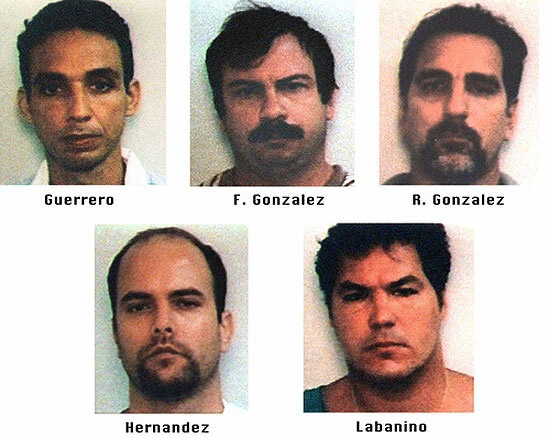

Heavy Petting

Length:

17:39

Writer/Director

BRENDAN PROST is a dogged and unabashedly personal filmmaker from Calgary. He is best known as the creator of four DIY feature films that have screened theatrically across Canada, and are now available to everyone on-demand. His credits also include an eclectic collection of short films that have played major international film festivals like Edinburgh, Rhode Island, Vancouver, Ashland, Inside Out, and more. Brendan graduated with distinction from Simon Fraser University’s School for the Contemporary Arts, is an alumnus of the Directors’ Lab at the Canadian Film Centre, and is currently completing his Master of Fine Arts in Film and Creative Writing at the University of British Columbia.

Producer

Brendan Prost, Brendan Whelton

BRENDAN WHELTON is a Toronto-based filmmaker and alumnus of the Reykjavik International Film Festival Talent Lab and the Canadian Film Centre Producer Lab. His production credits include several features and short films, including Sebastian, which was released by Wolfe Video, the world's oldest LGBTQ+ distributor; Vertical Lines (Best Men's Short, Boston Wicked Queer Film Festival); and The Indestructible (Best Canadian Short, Fright Night Theatre Film Festival).

Key cast:

Sam Calleja (Jordan), Haley Midgette (Marina)

Looking for:

journalists, film festival directors

Facebook:

https://www.facebook.com/bprost/

Instagram:

https://instagram.com/brendanprost

More info:
https://www.brendanprost.com/heavypetting

Where can I watch it?

Nashville Film Festival/Nashville, TN - September 30-October 6, 2021

August 26, 2021 /Carmela Baranowska
Comment

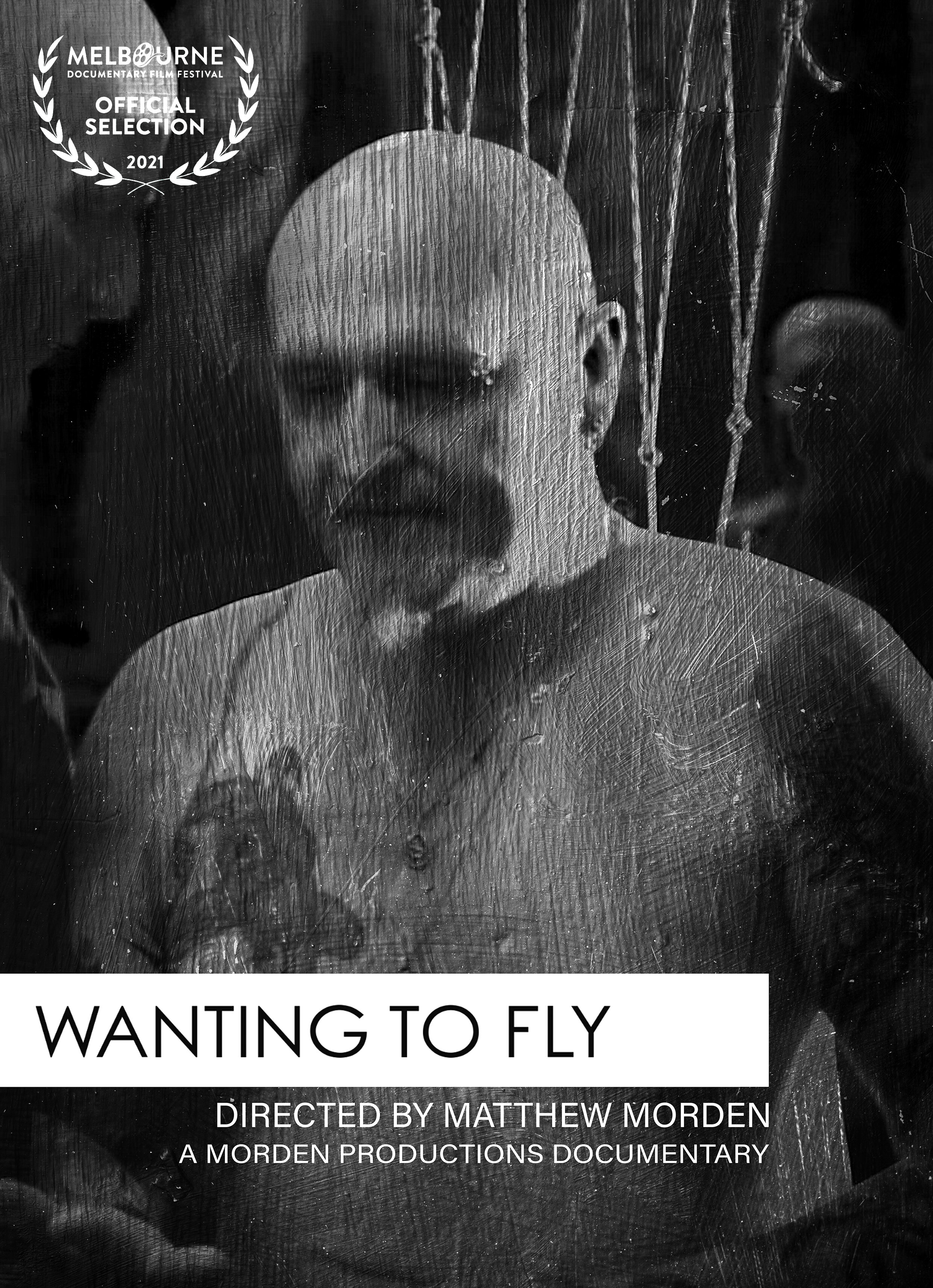
MDFF 2021 - Wanting To Fly

August 25, 2021 by Carmela Baranowska

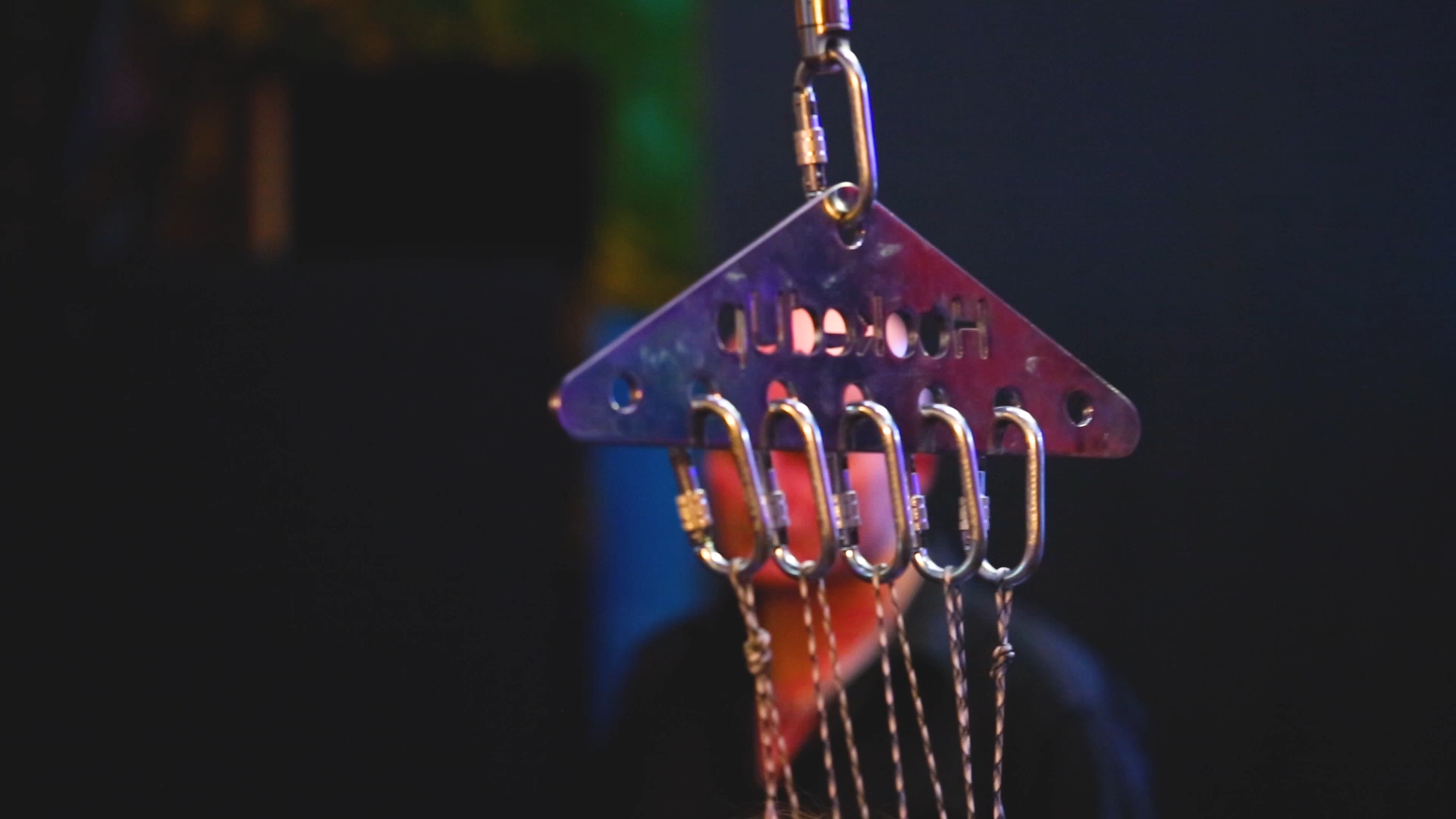
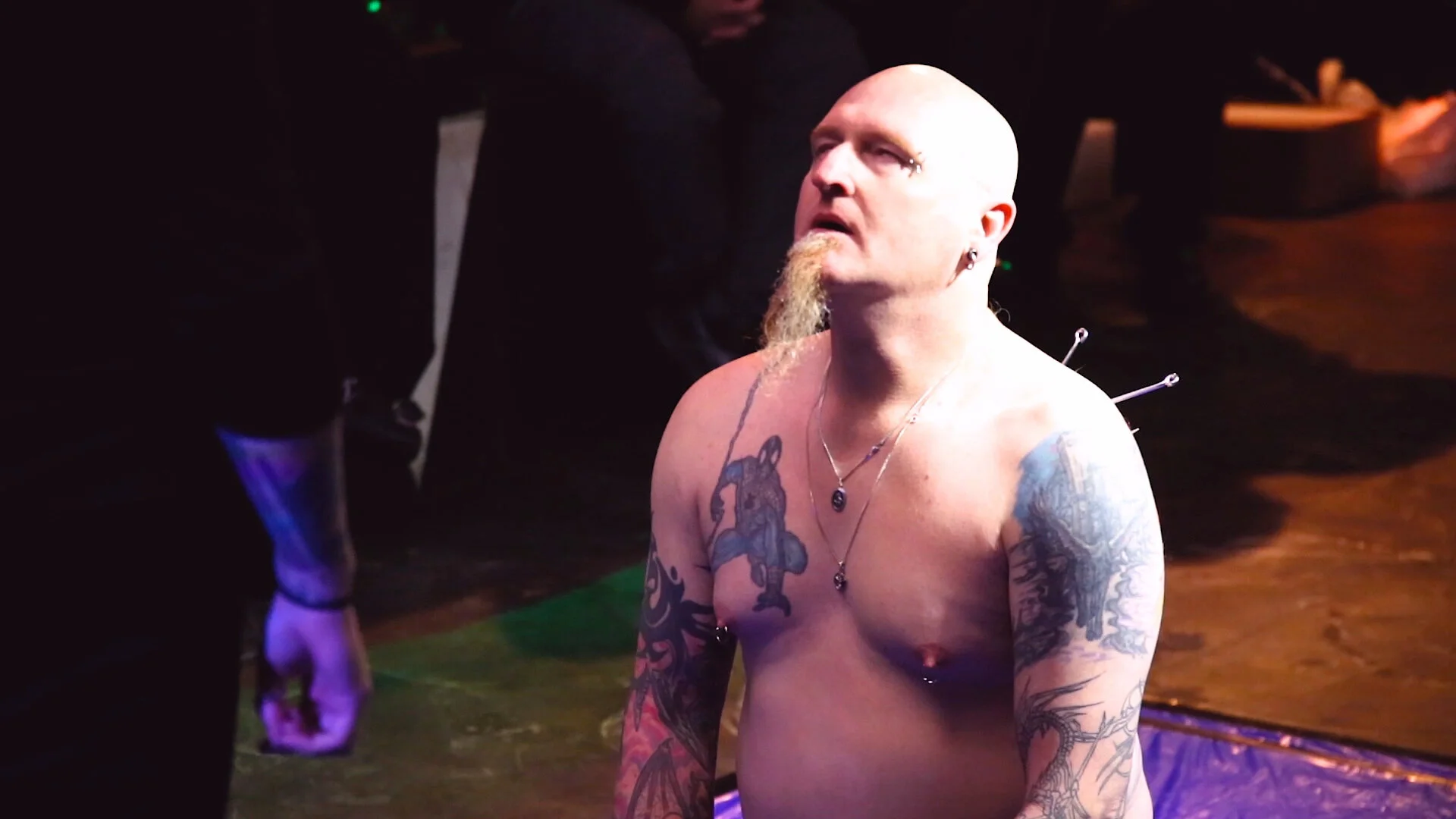
In this film we follow the journey of Neil through his first attempt at human suspension. In addition, we gain exclusive access to the suspension community in Melbourne, Australia and identify what leads people to suspend. My documentary highlights not only the physical aspects of human suspension but also why people decide to do this to their bodies.

Interview with Writer/Director/Producer Matthew Morden


Congratulations! Why did you make your film?

I wanted to make a documentary that challenges me as a film maker and in a genre that's a bit different to what I normally do. I'm scared of needles and I thought that this subject would push me as a film maker and I found that exciting and a bit scary.

Imagine I’m a member of the audience. Why should I watch this film?

You get to follow the journey of a man doing something for the first time. Embarking on a journey that a lot of us would never undertake. Achieving something that many of us struggle to understand. In this film we invite you into the close knit human suspension community within Melbourne. You will witness what human suspension is, how it is done, and why people engage in suspension.

Wanting To Fly

Wanting To Fly

How do personal and universal themes work in your film?

My documentary is a extremely personal journey. It follows Neil as he explores his first human hook suspension. Human suspension challenges you mentally, physically and emotionally and we follow Neil as he prepares himself to achieve his first suspension.

Universally, I think anyone who watches this documentary can relate to his feelings of the unknown. We can relate to Neil's apprehension of doing something for the first time. Especially as is may hurt or may bring joy to a person.

Although many of us struggle to understand why people participate in human suspension I believe the audience can related to Neil for his bravery and courage for doing something most of us would never do. I think we can relate to the strong sense of community within the hook suspension family.

How have the script and film evolved over the course of their development?

The premise was to find out why people do suspension, what we learnt over time is that a lot of people do suspension to help with processing emotions. Whilst filming, mental health became a large topic and we identified that we underestimated the diversity of reasons that people suspend when we started filming this documentary. Also the power of community which comes across strong in this film and how we can learn from them about the importance of community.

What type of feedback have you received so far?

The feedback has been really interesting in terms of why I do this subject matter. A lot of people who haven't watched the film ask why would I want to do this subject. Many people struggle to comprehend why people would choose to do human suspension. People who watched the film were really fascinated with the subject matter, and it generally leads to diverse conversations after watching it. The audience has an opportunity to witness something they never heard of, and something they didn't know occurred in Melbourne. The great thing about Neil is that the audience connect with him because he's doing something he's never done before.

2(2).jpg

Has the feedback surprised or challenged your point of view?

When I first started to put the film together I found that the content was too challenging for some people. In response to this feedback I changed my editing strategy to more subtly engage the audience with the content. I wanted to give as broad an audience as possible the opportunity to learn about a unique community, a different point of view.

What are you looking to achieve by having your film more visible on www.wearemovingstories.com?

More exposure for my documentary. To encourage more people to learn and engage with a subject matter that not a lot of us are aware of. Also to learn a good sense of community and a support network with the suspension community.

Who do you need to come on board (producers, sales agents, buyers, distributors, film festival directors, journalists) to amplify this film’s message?

If we could get journalists, film festivals, and film critics on board that would be wonderful for the documentary.

What type of impact and/or reception would you like this film to have?

That these people are like you and me but decide to do things that not everyone would do.

Wanting To Fly

Wanting To Fly

What’s a key question that will help spark a debate or begin a conversation about this film?

Why people do this? How does this help mental health?

Would you like to add anything else?

Thank you for allowing me to discuss my documentary on we are moving stories, its a wonderful platform.

What other projects are the key creatives developing or working on now?

I'm currently working on 2 more documentaries about my own personal experiences of hotel quarantine (MIQ) And the other documentary is about last remaining World War Two veterans from Australia and New Zealand.


Interview: August 2021


We Are Moving Stories embraces new voices in drama, documentary, animation, TV, web series, music video, women's films, LGBTQIA+, POC, First Nations, scifi, supernatural, horror, world cinema. If you have just made a film - we'd love to hear from you. Or if you know a filmmaker - can you recommend us? More info: Carmela
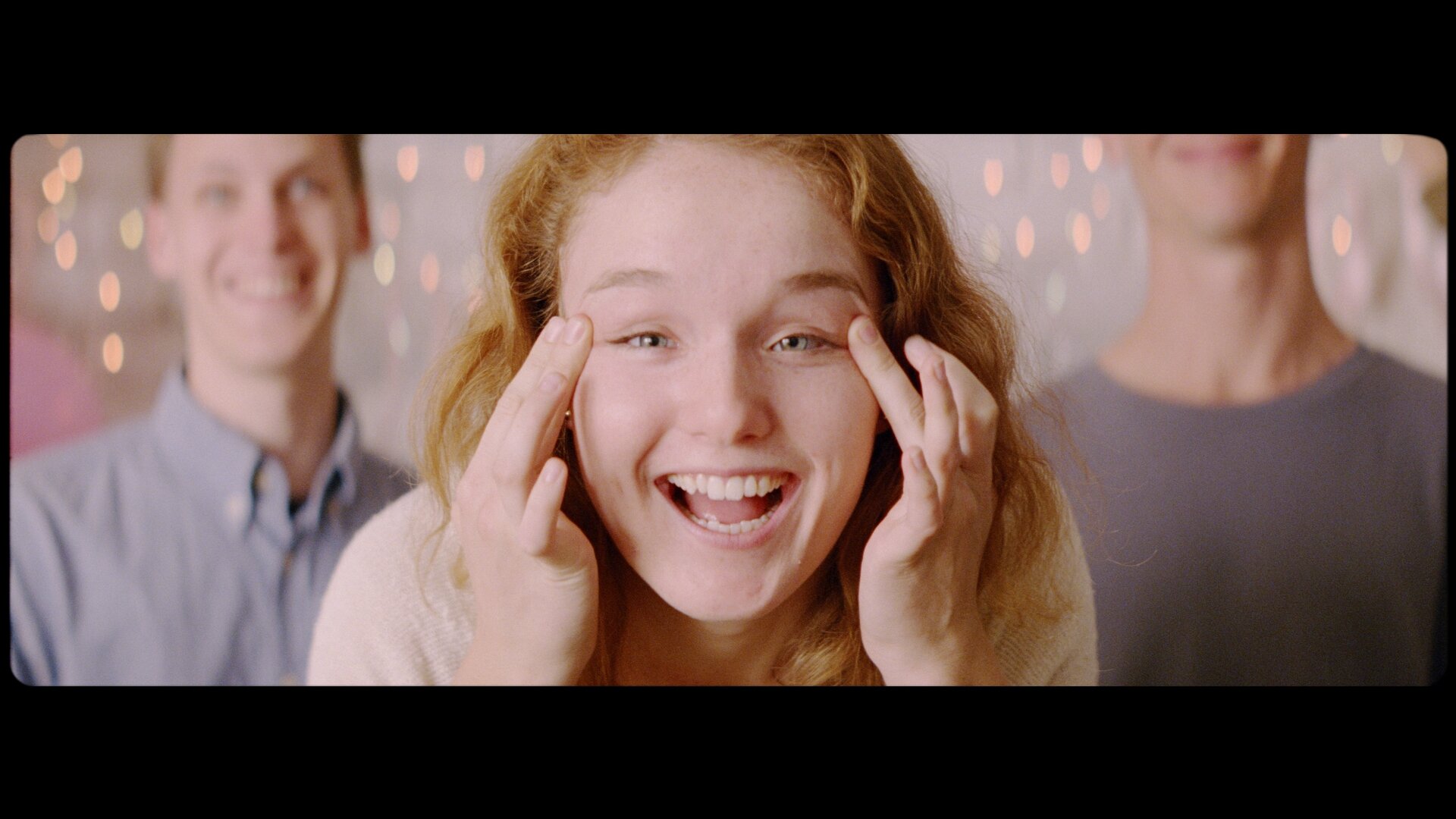

Wanting To Fly

Length:

39:57

Writer/Director/Producer

MATTHEW MORDEN is a British director, writer and producer from Brighton, UK who immigrated to Melbourne, Australia 12 years ago further pursue his creative endeavors.

Looking for:

distributors/journalists/producers

Twitter:

@MordenClicks

Instagram:

@mmatthew537

Hashtags used:

human suspension, hook suspension, body modification, mental health, community, Melbourne documentary, Australia documentary

More info:
https://www.mordenproductions.com.au/melbourne-commercial-video

Where can I see it?

Melbourne Documentary Film Festival on the 15/9/2021

August 25, 2021 /Carmela Baranowska
Comment
1.1.3_1.1.3-2.jpg

Focus on AFI Conservatory - Prey

August 25, 2021 by Carmela Baranowska

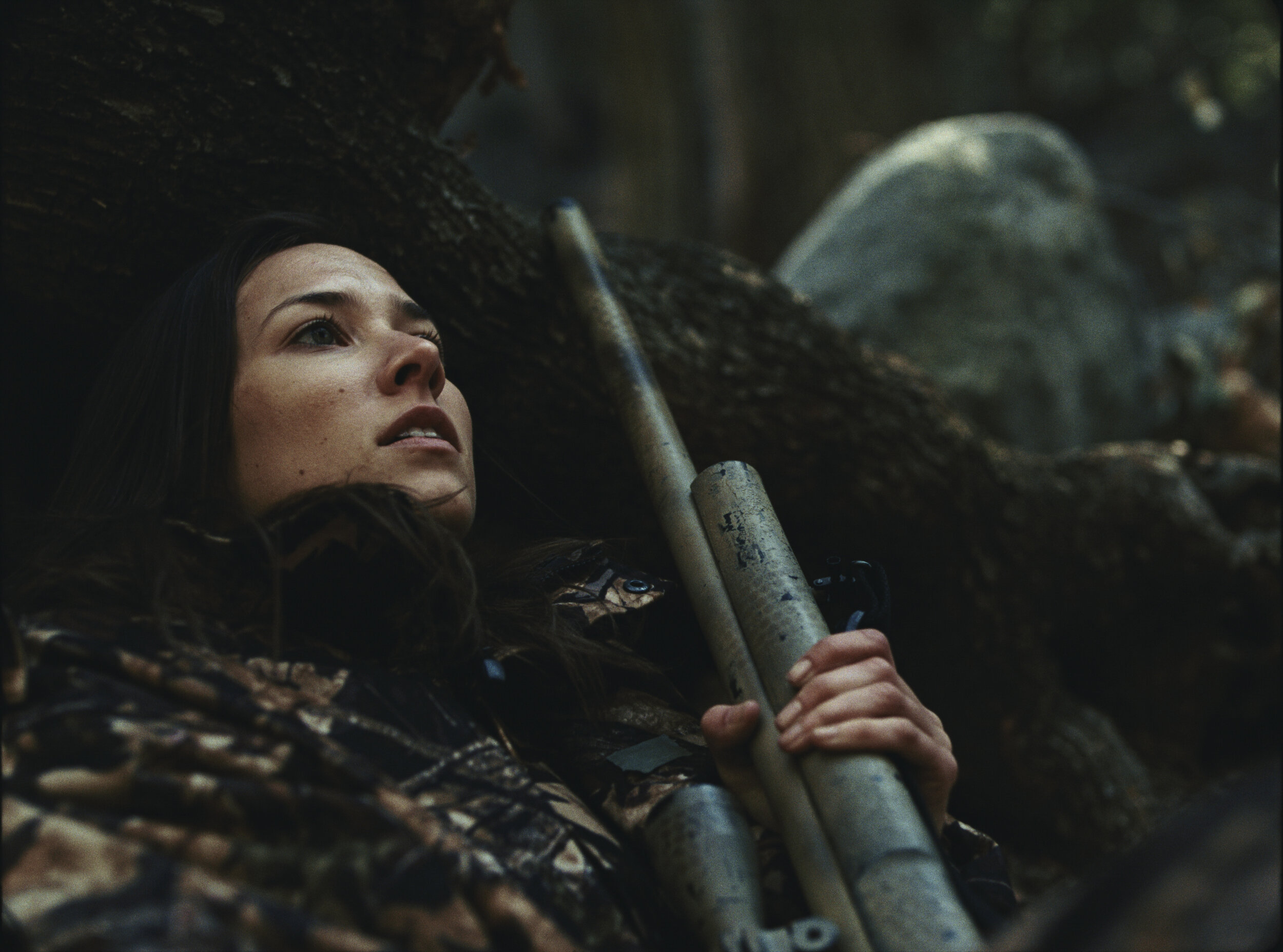
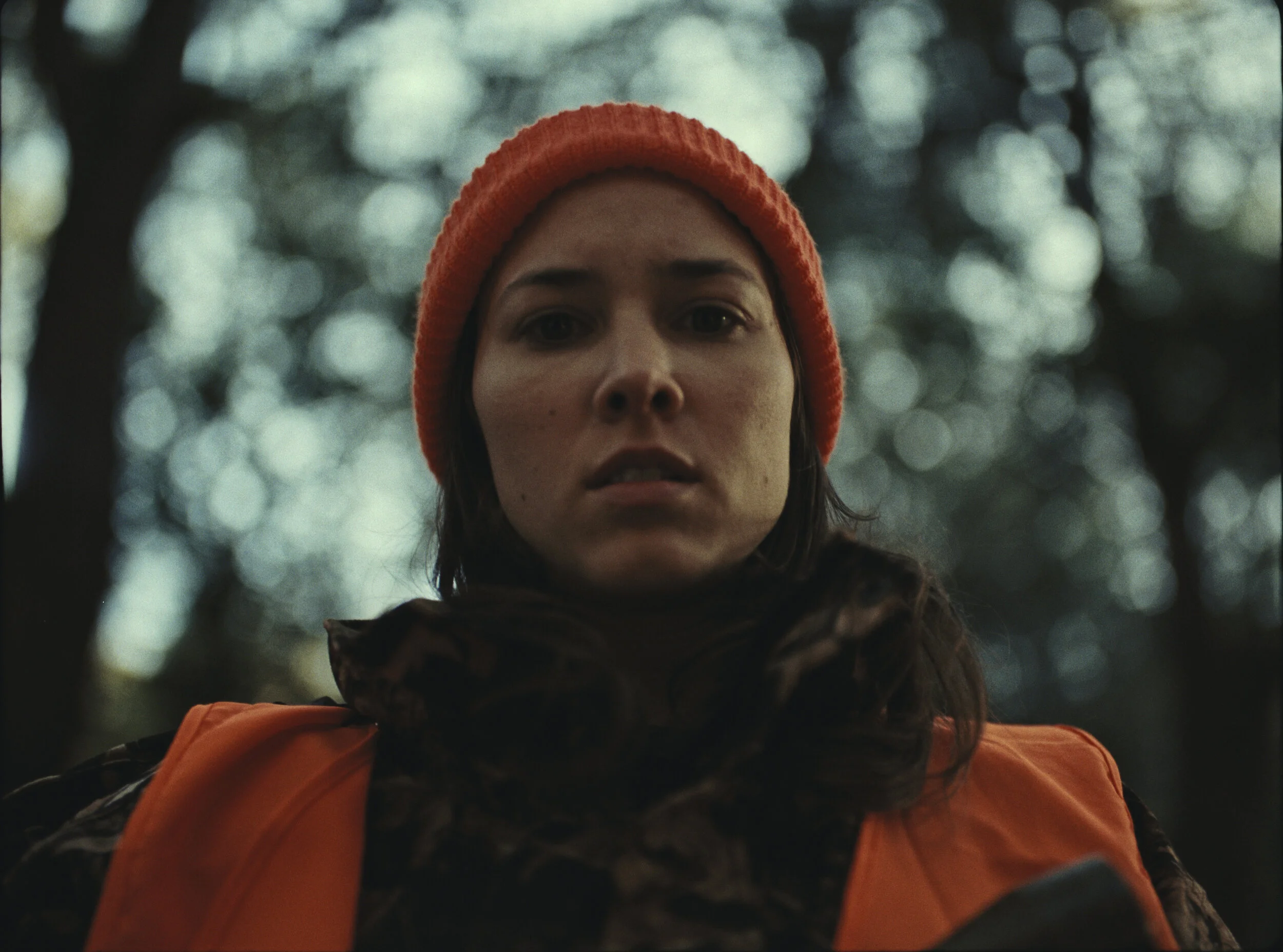
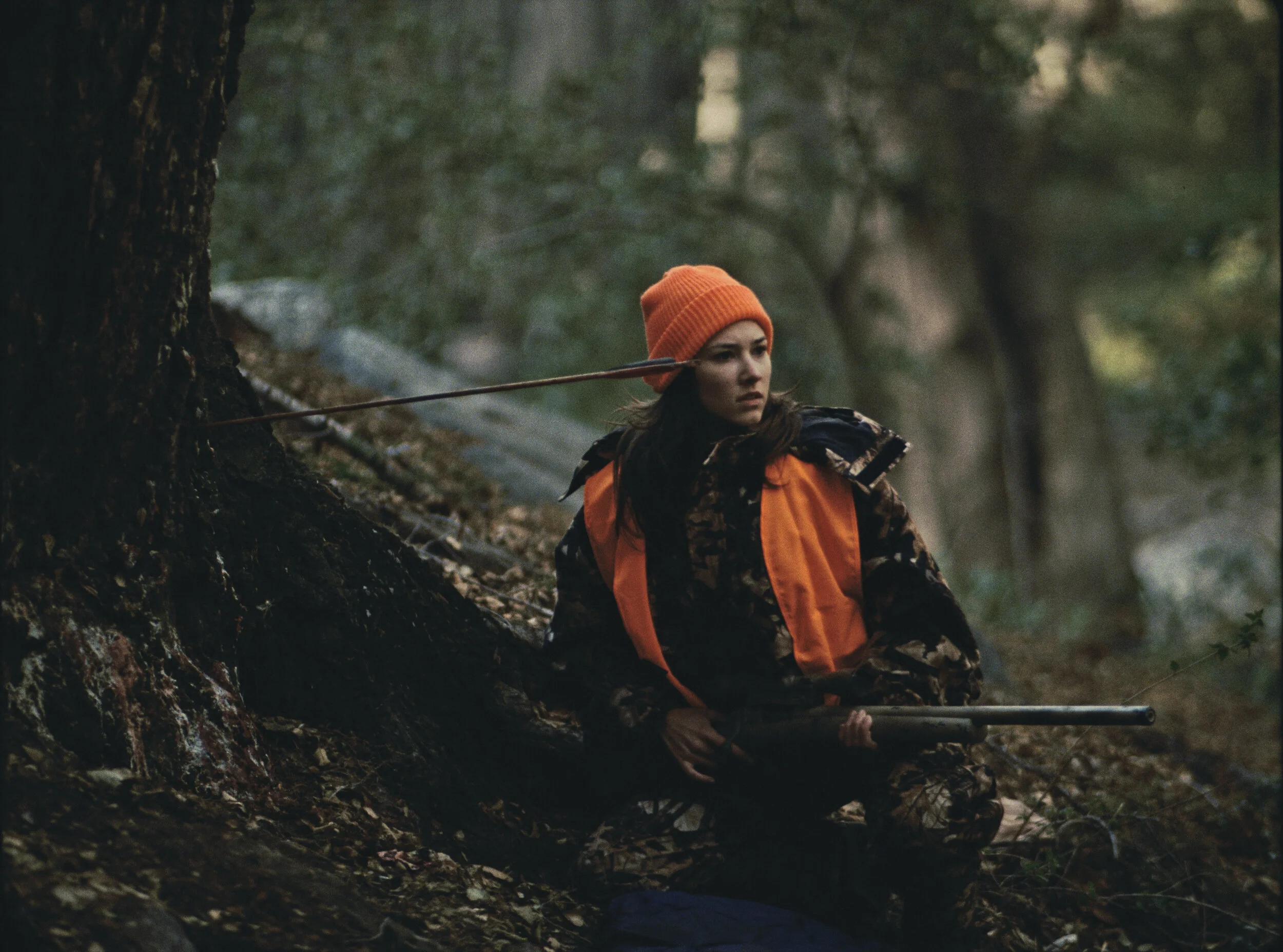
A backwoods hunter realizes she may be the prey of another hunter when she stumbles upon bloodied articles of clothing during her daily trap checkings. Escaping the forest is the key to her survival.

Interview with Cinematographer/Writer/Director/Producer Nick Vera


Congratulations! Why did you make your film?

When I originally came up with the idea of the film, I had wanted to experiment with working in the wilderness rather than on a controlled set. Most of what I had previously shot had been in interior locations or studios. So this was a learning curve for me. I didn't want to feel comfortable. I wanted to push my capabilities as a cinematographer and director. Saying that, I also wanted to have fun on this project. I didn't really want to be deep or send out a message. The purpose was for the audience to be entertained or have fun watching the short. I think a good amount of artists forget that now in days.

There's this current idea in some circles that in order for your film to be considered "great filmmaking", it has to deal specifically on what's politically trending now in days. I think it's definitely important to tell these type of stories that touch on trending crucial matters, especially if these topics affect you or people around you. I just don't believe it's the only stories you have to tell to be a good filmmaker. There's absolutely nothing wrong with creating well written and executed entertainment for audiences that want to have a break from their daily lives.

Prey

Prey

The John Carpenter films were definitely an inspiration for me to create this piece. But unlike the Carpenter films that are shot on anamorphic lenses, I wanted to have a more portraiture claustrophobic feeling to the film. Shooting 1.33:1 4-perf 35mm film allowed me to not only visually enhance the claustrophobic aspect of the film, but it also allowed me to better compose the characters amongst the height of the forest trees. Something that shooting 2.40:1 wouldn’t have visually communicated.

I have to give credit to the whole team that worked on this. They did a phenomenal job and I could not have done it without them. Also a huge shout out to the AFI Conservatory, Kodak, Fotokem, and Keslow Camera for making this film a reality. All of them were extremely helpful throughout the process.

Imagine I’m a member of the audience. Why should I watch this film?

If you like thrillers or just want to to be entertained with folks running around with guns, I think this would be a film for you. I believe it's up to the audience to decide what they want to watch.

What type of feedback have you received so far?

Generally feedback has been positive for the film. I personally believe it's difficult to engage audiences in a 3-minute narrative short, but it isn't impossible. I definitely would love to do a longer take of the short down my career path.

Prey

Prey

What are you looking to achieve by having your film more visible on www.wearemovingstories.com?

By having this film be more visible on https://www.wearemovingstories.com/, I'm hoping that it inspires others to create their own short stories/films and not feel limited. You can literally can pick up a digital camera and go shoot the same film I did. You don't have to drive to Oregon or Washington. You can go to the Los Angeles National Forest and literally have the same exterior setting. Part of what is great about filmmaking are the challenges you are given and how you can overcome them creatively. I believe that's what separates great filmmakers from unexperienced filmmakers.

What other projects are the key creatives developing or working on now?

A life goal of mine is to work in IMAX cinematography. It's extremely difficult to have access to IMAX cameras as well as astronomically expensive. Currently, I'm experimenting with medium format film cameras and motion capture. You should be seeing more soon!

Interview: August 2021


We Are Moving Stories embraces new voices in drama, documentary, animation, TV, web series, music video, women's films, LGBTQIA+, POC, First Nations, scifi, supernatural, horror, world cinema. If you have just made a film - we'd love to hear from you. Or if you know a filmmaker - can you recommend us? More info: Carmela

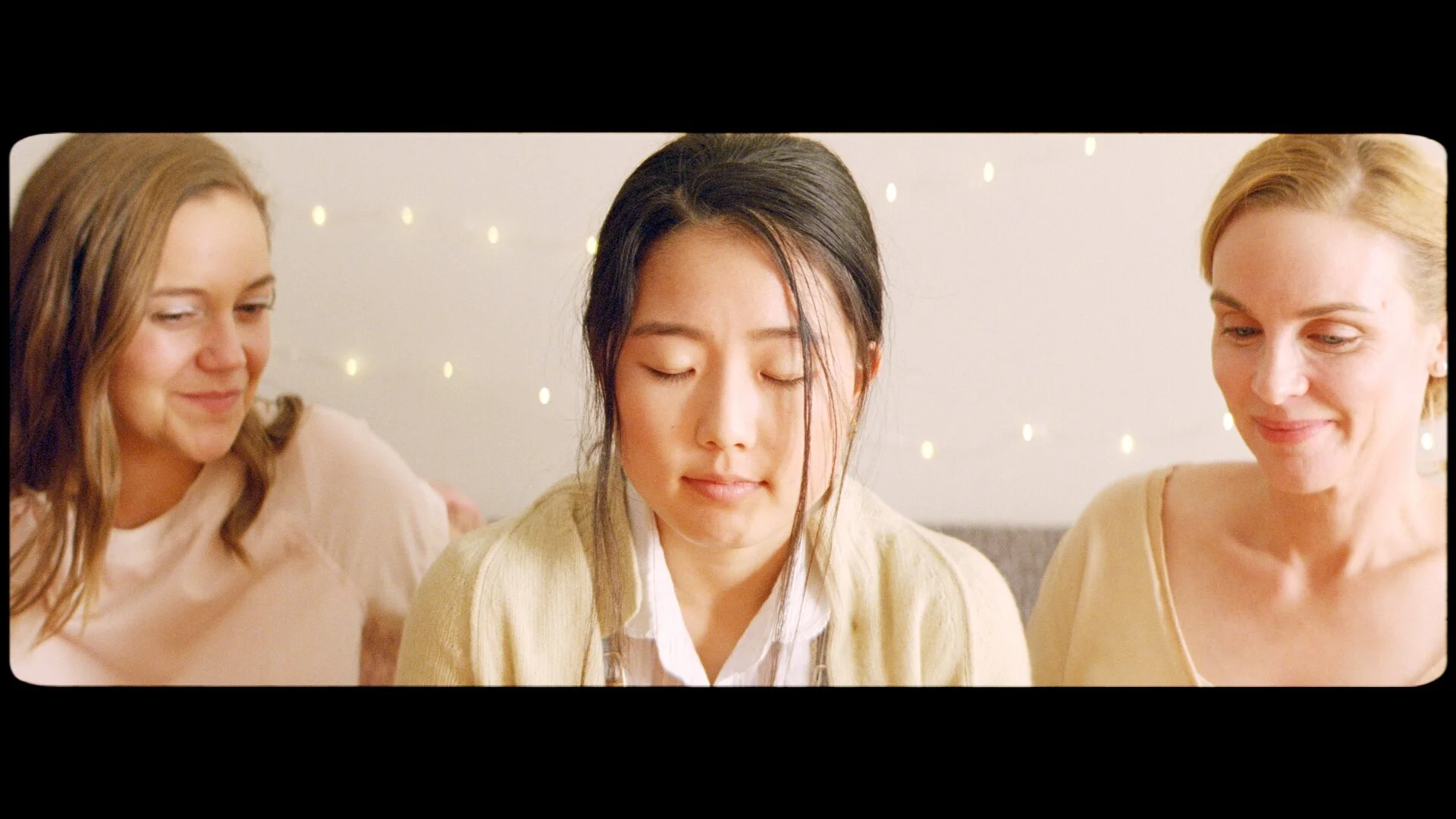
Prey

Length:

3:13

Cinematographer/Writer/Director/Producer

NICK VERA was born and reared in Miami, FL. He has worked with some of the largest cinema camera companies in the country from Keslow Camera to Red Digital Cinema Camera Company. Before attending the AFI Conservatory in 2018, he was in the Local 600 – International Cinematographer’s Guild. He focuses on both celluloid and digital formats, bridging the gap of what is possible through technological and artistic expression in visual storytelling. He is currently based in Los Angeles and works as a director, cinematographer, and camera operator for narratives, commercials, music videos and documentaries.

Key cast:

Rosslyn Luke (Hunter), Hugo Martin (Killer)

Instagram:

https://www.instagram.com/nickveradp/?hl=en

Hashtags used:

#shotonfilm #keslowcamera #kodak #kodakfilm #arri #zeiss #masterprimes #arrilt #35mm #35mmfilm #cinematography #shortfilm #cinematographer #afi #fotokem #directorofphotography #americanfilminstitute #afi #celluloid

More info:
https://www.nickvera.com/

Made in association with:

AFI Conservatory, Kodak Motion Picture Film, Fotokem, Keslow Camera


August 25, 2021 /Carmela Baranowska
Comment
Stephen Whittaker creating art4.jpg

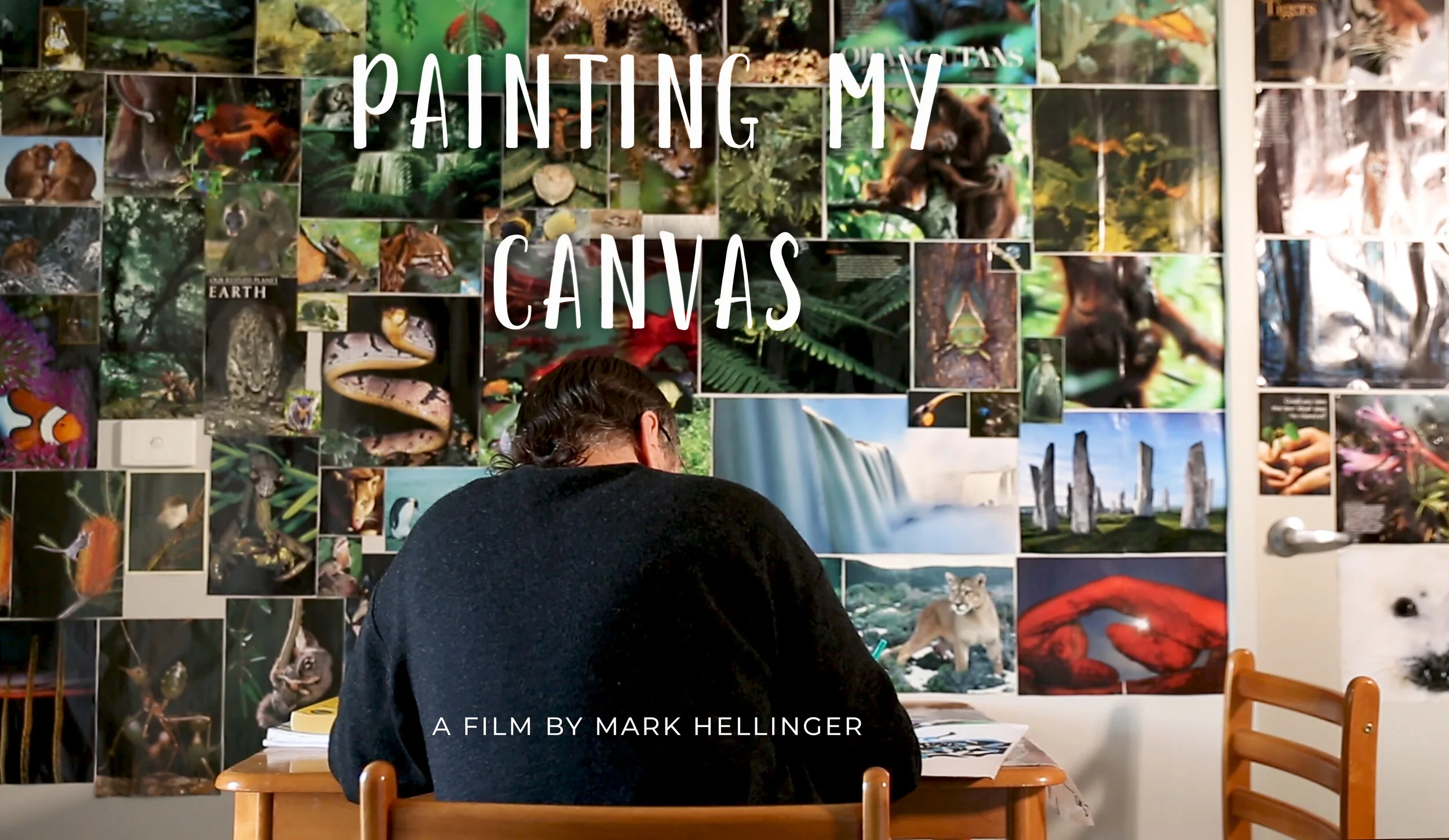
MDFF 2021 - Painting My Canvas

August 21, 2021 by Carmela Baranowska

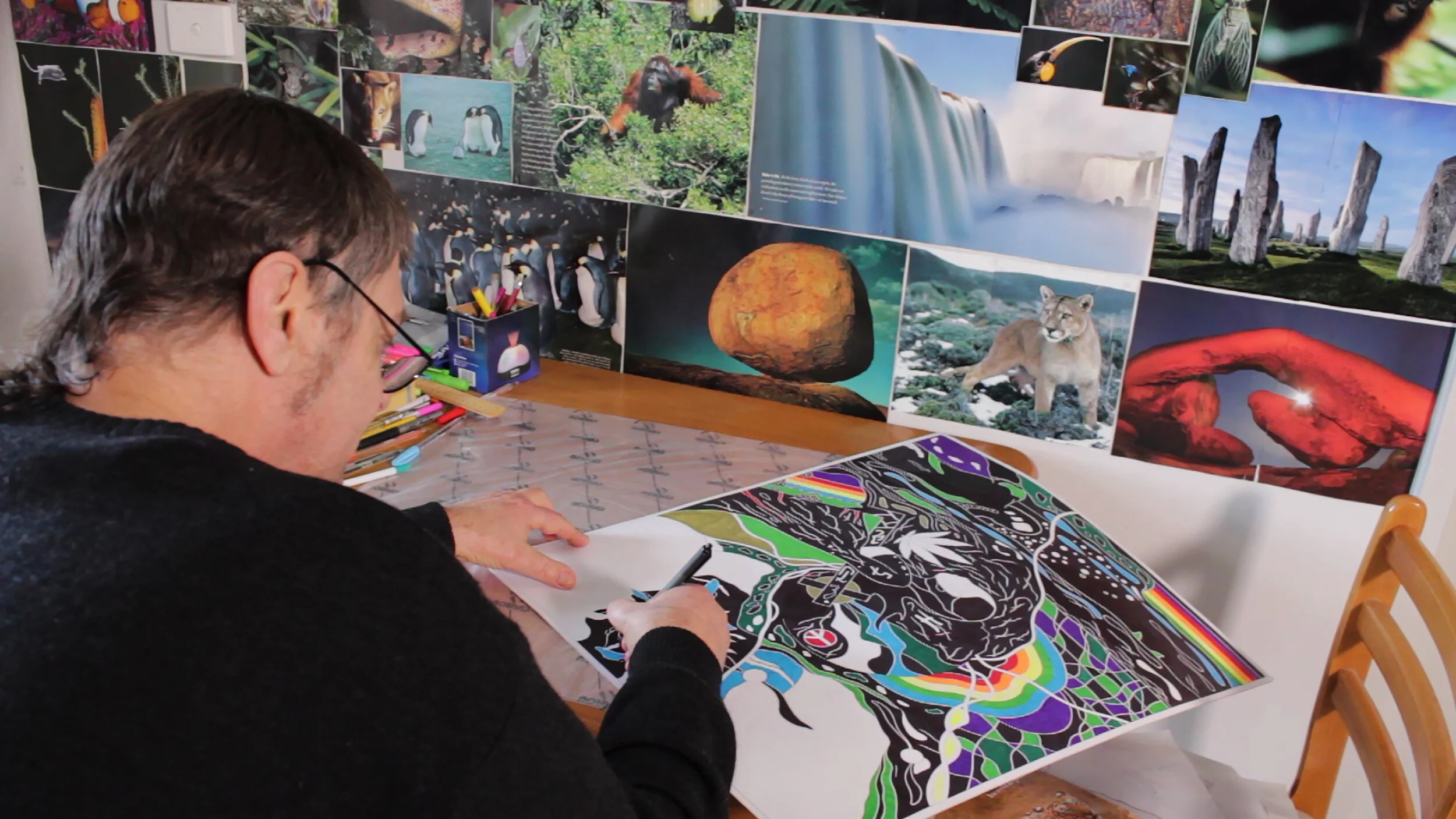
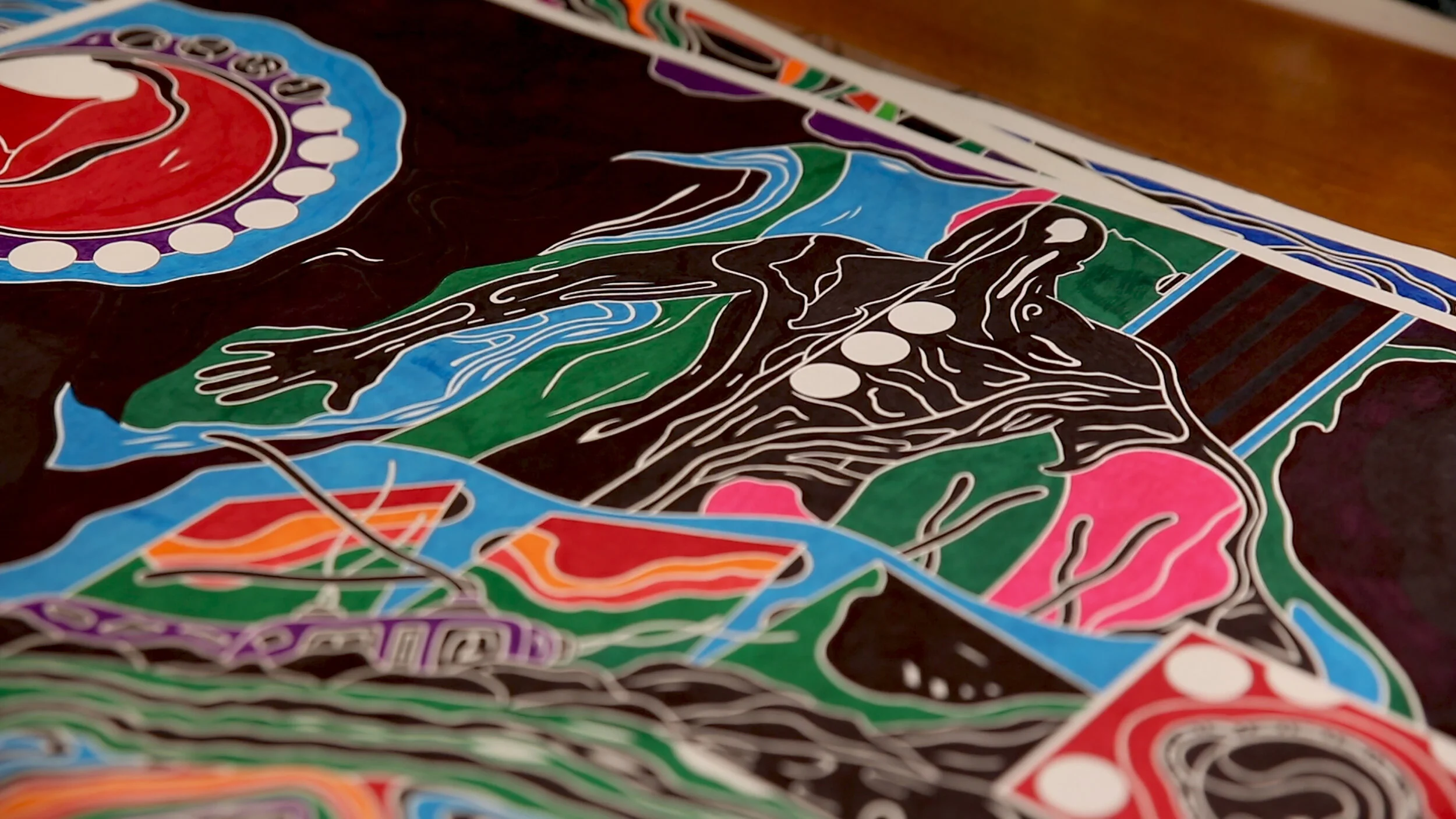
A man with a history of mental illness, drug abuse, and homelessness finds solace through art.

Interview with Director/Producer Mark Hellinger


Congratulations! Why did you make your film?

The initial premise of “Painting My Canvas” was to make a documentary about the elderly homeless. But upon interviewing my first subject for this documentary, Stephen Whittaker, and hearing his story the idea changed. Stephen has endured more than most people and details how his childhood or lack thereof shaped his life. From time spent living on the street, in jail and drug affected it wasn’t until much later in his life did he find peace.

Imagine I’m a member of the audience. Why should I watch this film?

The film's subject Stephen Whittaker is a very charismatic figure who had a very tragic childhood. It’s important to see how art can help heal people. It's also interesting to see how someone creates art for no other reason but to distract their mind and with no intention showing anyone can create such incredible work.

Painting My Canvas

Painting My Canvas

How do personal and universal themes work in your film?

Trauma is a big theme of the film. Showing how Stephen’s childhood led to his history with crime and living on the street. Stephen explains in the film how living on the street changed his perception of other homelessness and thinks we should all help people struggling as you never know what trauma they may have gone through.

How have the script and film evolved over the course of their development?

It was very difficult to distill someone's life into a short film. So the challenge was making a very impactful film talking about homelessness, crime and trauma whilst also paying tribute to Stephen's extraordinary life. Much time was taken to edit this project to try and tell a short impactful story that does all of those things.

Painting My Canvas

Painting My Canvas

What type of feedback have you received so far?

The feedback from the film has been very positive. People have told me that it is very impactful and helps teach important lessons. But most importantly Stephen and people associated with Stephen liked the film. I have been told it did a good job of showing him as a person, which is what I wanted to achieve.

Has the feedback surprised or challenged your point of view?

Any positive feedback is great. Particularly feedback where people tell you that the film has changed their thoughts on something like addiction or homelessness. So the feedback has challenged me to create more projects like this in the future.

What are you looking to achieve by having your film more visible on www.wearemovingstories.com?

I want to promote the messages around the film and encourage people to come to the screening as part of Melbourne Documentary Film Festival at Cinema Nova on September 11.

Painting My Canvas

Painting My Canvas

Who do you need to come on board (producers, sales agents, buyers, distributors, film festival directors, journalists) to amplify this film’s message

I would love film festival directors to come and board and program the film at upcoming festivals, as I think the messages told in the film are important. I would also love journalists to come on board and help tell Stephen's story. As it is important to tell stories such as this which explain how someone goes from being an innocent child to homeless and drug affected and show how they come back from that.

What type of impact and/or reception would you like this film to have?

I want people to understand the plight of many people who suffer from addiction is often due to traumas that they have been through. I also want people to empathise with people living on the street, to stop and help them when they can, as at one time there were just innocent children too.

What’s a key question that will help spark a debate or begin a conversation about this film?

How much of the way we are is impacted by our childhoods?

Painting My Canvas

Painting My Canvas

Would you like to add anything else?

Creating art is what helped Stephen find peace. The art Stephen made was never meant for public view, but just a thing to relax him. Unfortunately Stephen passed away during the production of the documentary, but I feel humbled to have the opportunity to tell his story about resilience and hope his words and art can live on.

What other projects are the key creatives developing or working on now?

I am currently working on a film how Australian Rules football is taking off in India. It follow the first-ever Indian team to compete on home soil in an Australian Rules match.


Interview: August 2021


We Are Moving Stories embraces new voices in drama, documentary, animation, TV, web series, music video, women's films, LGBTQIA+, POC, First Nations, scifi, supernatural, horror, world cinema. If you have just made a film - we'd love to hear from you. Or if you know a filmmaker - can you recommend us? More info: Carmela

Painting My Canvas

Length:

5:44

Writer/Director/Producer

MARK HELLINGER is a Melbourne-based filmmaker who has directed and produced several award-winning internationally and locally broadcast films. Mark’s work predominantly focuses on the multicultural nature of Australian society and how sport and art can help people find their feet.

Key cast:

Stephen Whittaker (film subject), Mark Hellinger (Director/ Producer/Editor), Rod Th’ng (Cinematographer), Nick Campbell (Cinematographer), Artie Blakeney (Sound recordist/mix)

Looking for:

film festival directors, journalists

Facebook:

https://www.facebook.com/MarkhellingerFilm

Instagram:

https://www.instagram.com/hproductions_au/

Twitter

https://twitter.com/m_h1234

Hashtags used:

#paintingmycanvas

More info:
http://hproductions.com.au/portfolio/painting-my-canvas/

Where can I see it?

Melbourne Documentary Film Festival as part of Short session 1 at Cinema Nova, 10.45 Saturday September 11.

August 21, 2021 /Carmela Baranowska
Comment
2_Pierpont_HOOF_Grab.png

Focus on AFI Conservatory - Hoof

August 21, 2021 by Carmela Baranowska

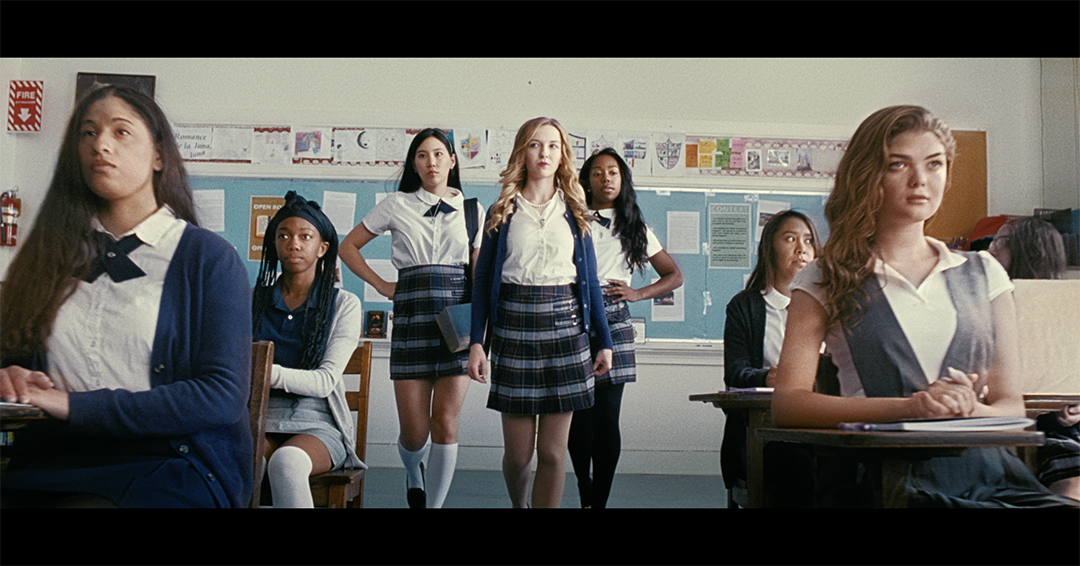
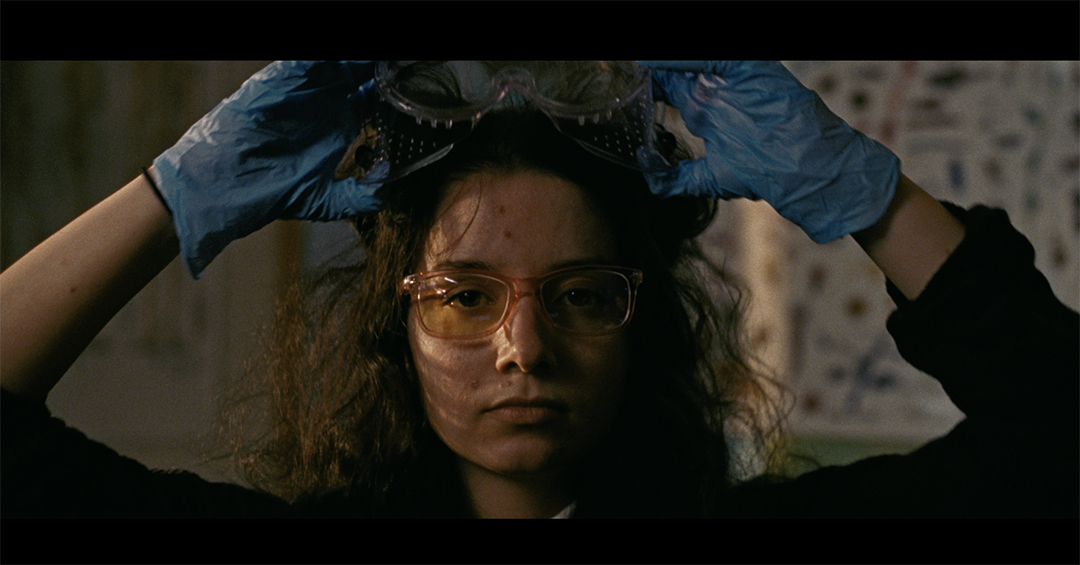
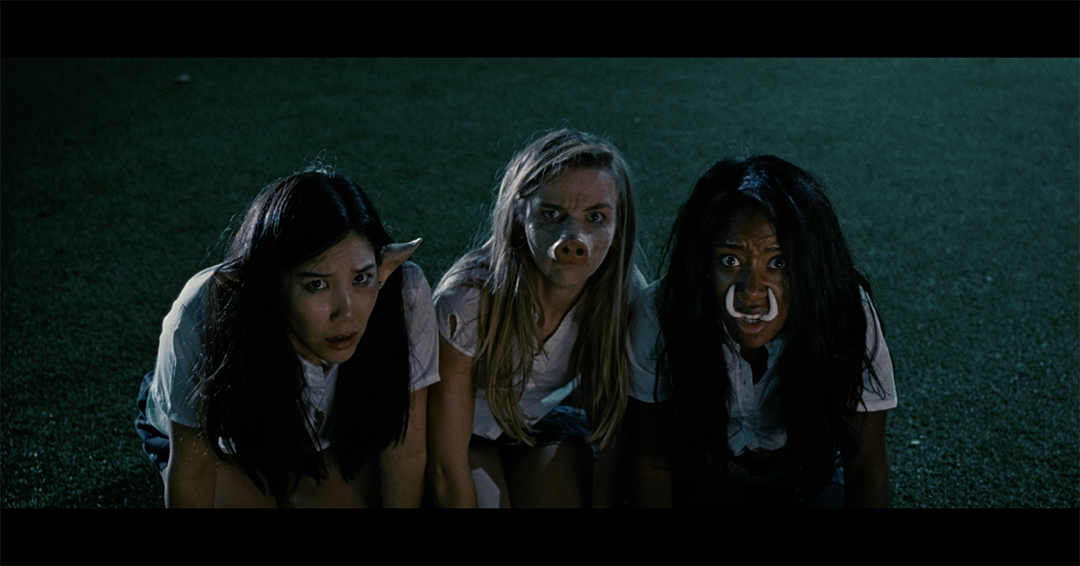
A lonely Catholic school girl wants to become friends with the popular girls but winds up chloroforming them and transforming them into pig monsters.

Interview with cinematographer and co-writer Sarah Anne Pierpont


Congratulations! Why did you make your film?

Using visual design to communicate emotional subtext is my favorite part of being a cinematographer, so when a story needs to be told and certain storytelling elements (dialog, for example) are intentionally removed, I see an opportunity to make even bigger choices for the audience to perceive and interpret visually. As part of the AFI Cinematography curriculum, HOOF is a Visual Essay - a story told on film in 3 minutes without dialogue and where the images and visual design are doing all of the talking.

Imagine I’m a member of the audience. Why should I watch this film?

Were you a bully? Were you bullied? Did you ever retaliate? What if you had done so using bizarro science magic? If any of the above resonates with you, you should watch this film.

How do personal and universal themes work in your film?

Many people can identify with the feeling of not fitting in at some point in their life - this story is inspired by my own experiences learning to navigate social settings in my all-girls Catholic school upbringing. In HOOF, that growth experience is framed within a cinematically classic setting - high school - but the emotional experience of the protagonist (or is she the antagonist?) is manifested in an extreme measure. It's fun to see how the crazy things we may imagine doing out of anger or embarrassment might play out in the real world.

Hoof

Hoof

How have the script and film evolved over the course of their development?

The script was co-written with director Neil Ferron and had many, many lives and forms over the course of its writing as we worked to refine the nugget of truth that anchors the story within the construct of its plot. Ultimately, through storyboarding and loads of drawn images, we found that the most concise and clear way to communicate such large emotional feelings visually was often the right one.

What type of feedback have you received so far?

HOOF seems to make people laugh, which I love because the story is quite dark while the tone of the film is rather absurd and self-aware. The lead's journey has been easy for people to connect with.

What are you looking to achieve by having your film more visible on www.wearemovingstories.com?

I'm just happy for the opportunity to share this story!

Who do you need to come on board (producers, sales agents, buyers, distributors, film festival directors, journalists) to amplify this film’s message?

This film is looking for more places to screen right now. After that, a life on a digital platform would be wonderful!

Hoof

Hoof

What’s a key question that will help spark a debate or begin a conversation about this film?

Is revenge justifiable?

Would you like to add anything else?

This film would not exist but for the collaborative genius and energy of the people who worked so hard to bring it to life - especially director and co-writer Neil Ferron, producer Doug Barden, production designer Nia Maksimova, choreographer Genna Moroni, makeup artist Rachael Wagner, editor Camilla Bartoli, colorist John Daro, and post sound engineer THE GHOST.


Interview: August 2021


We Are Moving Stories embraces new voices in drama, documentary, animation, TV, web series, music video, women's films, LGBTQIA+, POC, First Nations, scifi, supernatural, horror, world cinema. If you have just made a film - we'd love to hear from you. Or if you know a filmmaker - can you recommend us? More info: Carmela

Hoof

Length:

3:37

Writer

Neil Ferron and Sarah Pierpont

Director

Neil Ferron

Producer

Doug Barden

Key cast:

Serena Kashimir, Madison Davis, Courtney Coffey, Tiffany Chen

Looking for:

film festival directors

Instagram:

www.instagram.com/sarahpierpont

Hashtags used:

#panavision #shotonfilm #35mm #aficonservatory

More info:
https://www.sarahpierpont.com/hoof

Made in association with:
AFI Conservatory


August 21, 2021 /Carmela Baranowska
Comment
MS1.jpg

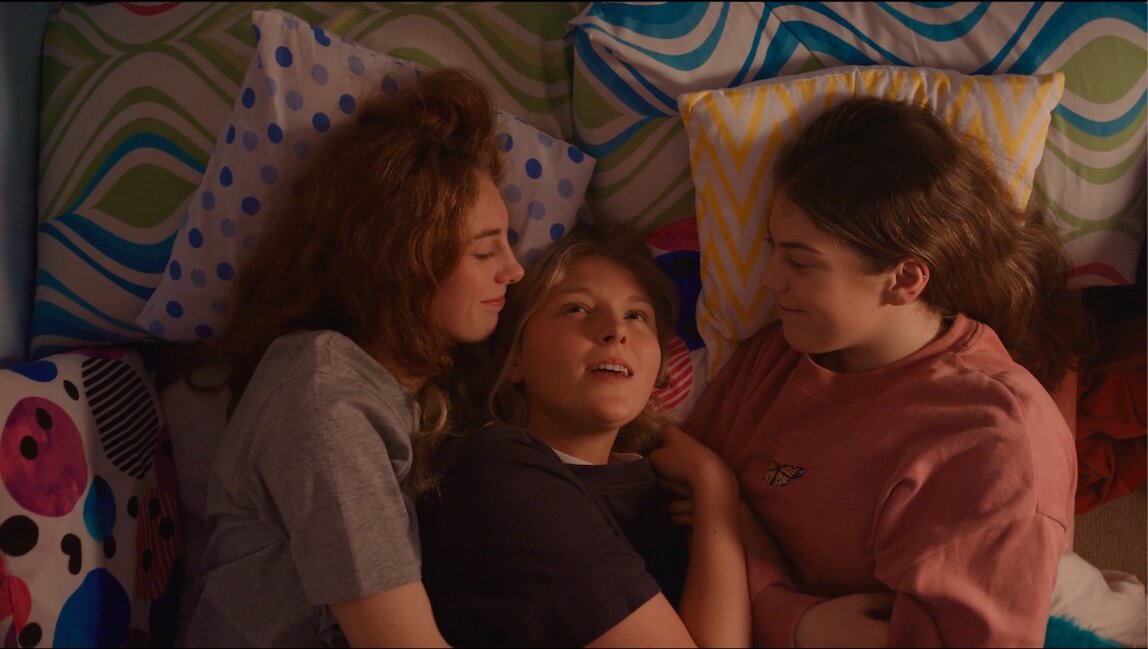
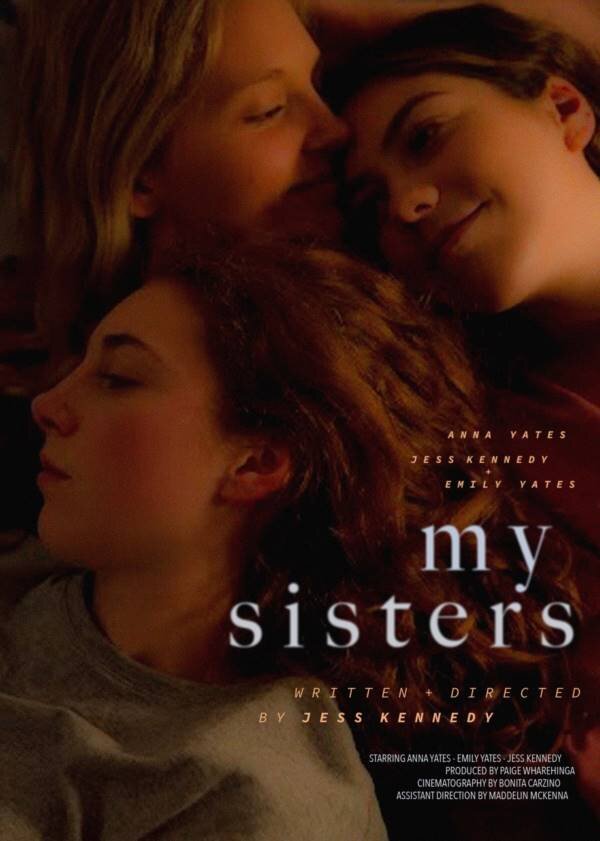
My Sisters

August 20, 2021 by Carmela Baranowska


June is met with a conversation she'd rather not face, but time has passed and her siblings have questions.

Interview with Actor/Writer/Director Jess Kennedy


Congratulations! Why did you make your film?

Thank you, that in itself feels like a major achievement; especially considering we finished filming the night before Melbourne’s strictest, longest lock down. At the beginning of last year, my plan was to see one of my scripts through to production. It had always seemed like such an intangible concept but during the pandemic, it became my main focus.

I love being a part of the story telling process but as an actor, when and which stories you get to tell can often feel out of your control. I believe MY SISTERS holds great value, as the perspective it focuses on is rarely explored. I’ve always wanted to make a short, and as a first time director, I wanted the structure to be simple and intimate so I could hone in on the performances whilst being one of the actors.

Imagine I’m a member of the audience. Why should I watch this film?

MY SISTERS provides a different lens on romantic relationships, which may resonate deeply with certain audiences or provide them with a new outlook. It shows a woman unsure of where she fits, but actively trying to understand and in turn be understood.

The film has a lot of love, honesty and showcases the nuance of balancing personal discovery with sisterly dynamics; especially as young adults still living at home. The conversation between Lou and June is so significant, yet seemingly so conversational. Like these characters, I think certain people often mask things as low stakes to shield their vulnerabilities. We later reveal the third sister, Robyn, to show that this fragile conversation is being navigated in a busy, family household. Those growing up in a family unit may relate to the lack of privacy.

Knowing that the actors are my actual siblings, filmed in our childhood home, enriches the watching experience; let alone remembering that we managed to make something safely during 2020.

My Sisters

My Sisters

How do personal and universal themes work in your film?

I’m usually drawn to exploring things that hit personally. In this case, the theme of relationship pressures is a discussion that needs to be had more universally; especially the concept of validity as an ‘adult’ outside desiring one at all.

How have the script and film evolved over the course of their development?

While the story has remained true to its core, I worked with two amazing script advisors who helped specify and solidify character needs. One of these advisors openly identifies as Asexual; she came on board after a really crucial conversation we had. She reminded me of the value in showing stories where the character lives in not knowing. June, like many, remains in the turmoil of this confusion, yet yearns to further understand herself.

As the script is dialogue heavy, I chose to steer the action away from over dramatisation. The film mainly occurs in one moment. For audiences to engage comfortably with this slice of life, I felt the stakes couldn’t be pushed into overt drama. June and Lou’s casualness is their shared coping mechanism and we scheduled the time to rehearse and explore what lies underneath that.

Working with Bonita Carzino and Maddelin McKenna on set helped to further define each moment. Bonita has an incredible eye and captured June and Lou’s relationship with such empathy and beauty. Having Maddy as AD was such a gift, as she provided grounding direction when I was in front of the camera.

What type of feedback have you received so far?

Two responses come to mind. I’ll keep them confidential but one person shared that she came away questioning her own pressures towards relationships. Upon reflection she wrote in her iPhone notes ‘why do I need someone to make me feel whole?’.

The other was that she’d never questioned what it must be like to feel those pressures, when you don’t even want a relationship. This comments on a crucial layer of the story; the usual narrative is that there are outside pressures for people who already yearn for a romantic relationship, but in June's case, she faces added turmoil in the confusion of never having genuinely craved one.

Has the feedback surprised or challenged your point of view?

I was initially worried people would be bored by the story! I knew it held so much value but because it mainly centres around one intimate discussion, nothing drastically changes. It's a subtle film and as such has often stirred people in quiet ways. I've been impressed with reactions recognising the importance of holding space and exploring such conversations. The film's vulnerability has in turn allowed audiences to question their own relationship to many kinds of relationships; romantic ones, familial, societal - and how we relate to ourselves.

What are you looking to achieve by having your film more visible on www.wearemovingstories.com?

An audience! MY SISTERS is preparing for its film festival circuit and as such, is on the lookout for festivals whose focus and interests align with the story.

My Sisters

My Sisters

Who do you need to come on board (producers, sales agents, buyers, distributors, film festival directors, journalists) to amplify this film’s message?

We are keen for film festival curators and directors considering the film to make themselves known. Any journalists interested in further promoting the story are most welcome to get in contact too.

What type of impact and/or reception would you like this film to have?

I'd love for the film's impact to reflect its conversational plot. For audiences who connect to, or question the story, to have any form of an internal dialogue or open discussion would be amazing.

What’s a key question that will help spark a debate or begin a conversation about this film?

How much have both outside and internal pressures influenced your actions towards wanting a romantic relationship? Bluntly oversimplified; how many times has your Grandpa asked you ‘have you got a boyfriend / girlfriend yet?’.

Would you like to add anything else?

A big thank you to Carmela and We Are Moving Stories for providing such an integral platform to promote new independent work. Having first heard of many short films via this website, I’m excited to now have the privilege of discussing my own.

What other projects are the key creatives developing or working on now?

Our DOP Bonita Carzino, has more amazing cinematography work in the festival circuit with Jordan Giusti’s REPTILE, a Melbourne International Film Festival selected short.

I’m in the midst of developing another short with a collaborator friend at the moment. We’re taking our time and enjoying that process.

For further information on Jess Kennedy, you can contact her at https://www.jesskennedy.net/contact


Interview: August 2021


We Are Moving Stories embraces new voices in drama, documentary, animation, TV, web series, music video, women's films, LGBTQIA+, POC, First Nations, scifi, supernatural, horror, world cinema. If you have just made a film - we'd love to hear from you. Or if you know a filmmaker - can you recommend us? More info: Carmela


My Sisters

Length:

7:53

Writer/Director

JESS KENNEDY is a Melbourne / Naarm based creative and graduate of 16th Street Actors Studio. She has played numerous leads in award winning short films. After obtaining US representation in 2019, JESS is debuting her work as a writer / director. Her stories often centre around young women and their navigation of mental health and social / familial dynamics.

Social media:

https://www.instagram.com/jessiejkenny/

Producer

PAIGE WHAREHINGA is an emerging producer from New Zealand and graduate of the University of Auckland, majoring in Film and Television. After working in LA, she moved to Sydney to work in development and producing. Since 2018, PAIGE has spent her time developing skills as a producer in TV and successfully pitched an animation pilot to Adult Swim (US) with an EP role.

Key cast:

Jess Kennedy (June), Anna Yates (Louise), Emily Yates (Robyn)

More info:

https://www.jesskennedy.net/film-1

Made in association with:

Where can I watch it now?

August 20, 2021 /Carmela Baranowska
Comment
atihumos_1.1.14.jpg

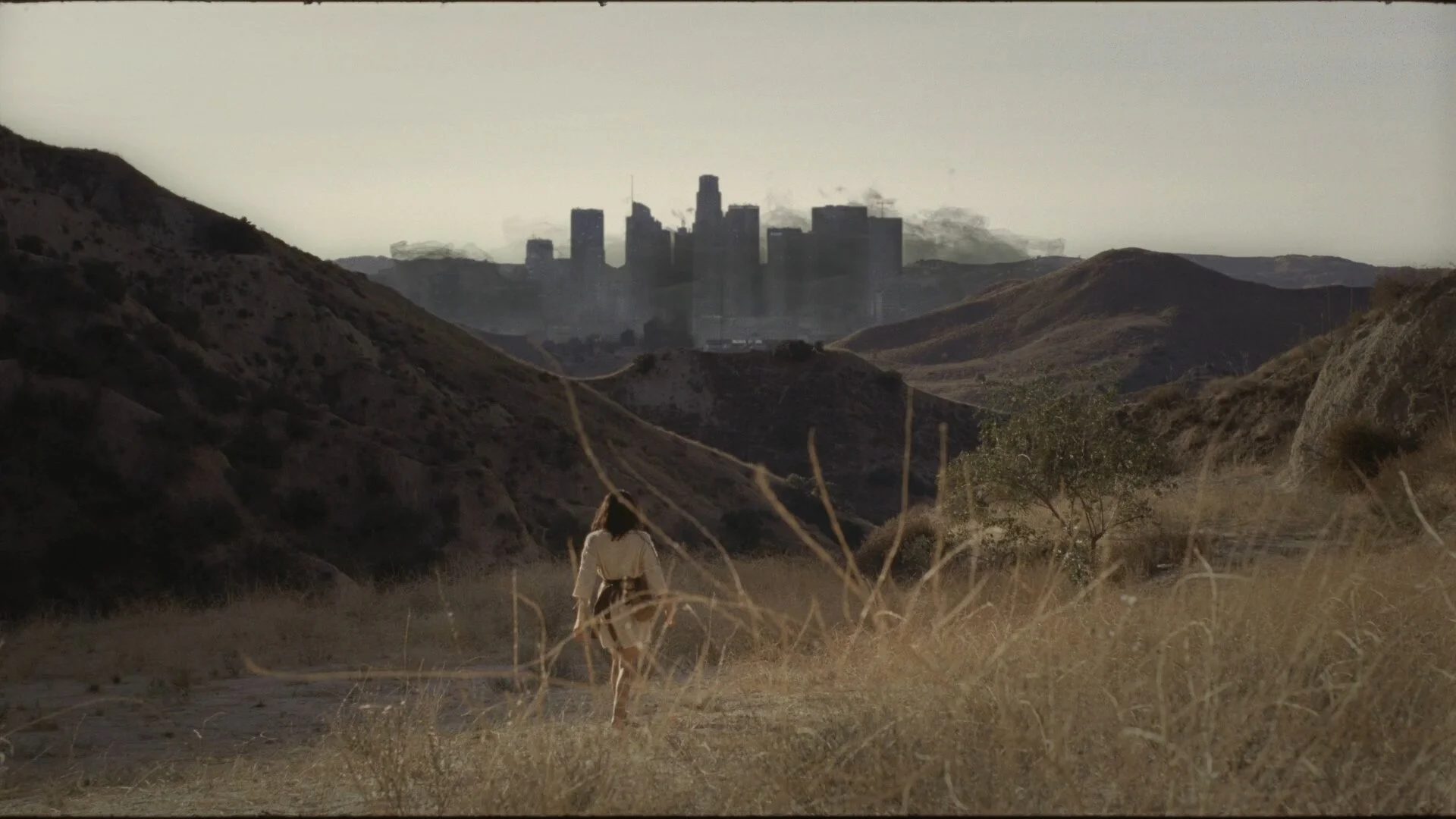
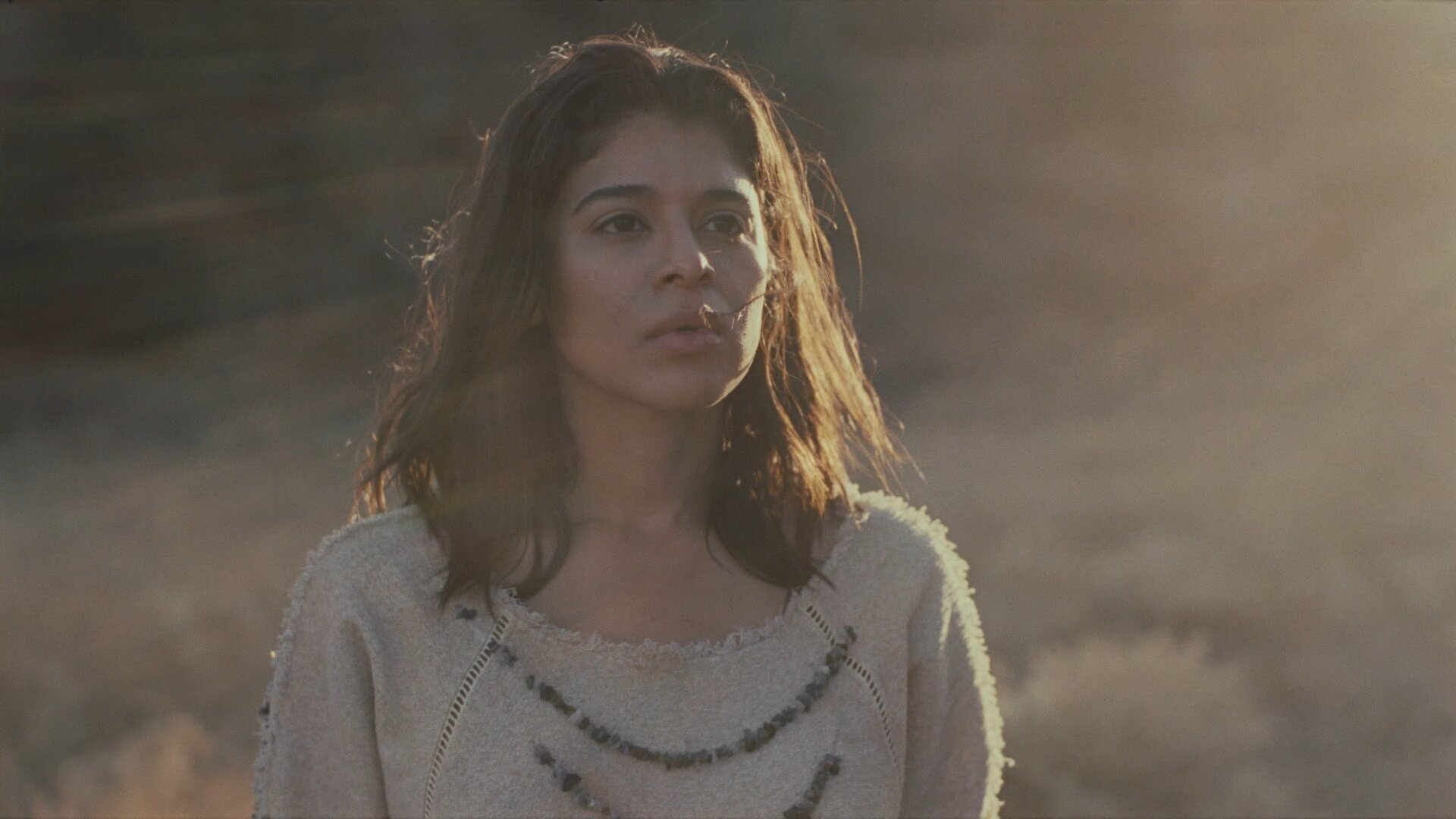
Focus on AFI Conservatory - A TI, HUMO

August 20, 2021 by Carmela Baranowska

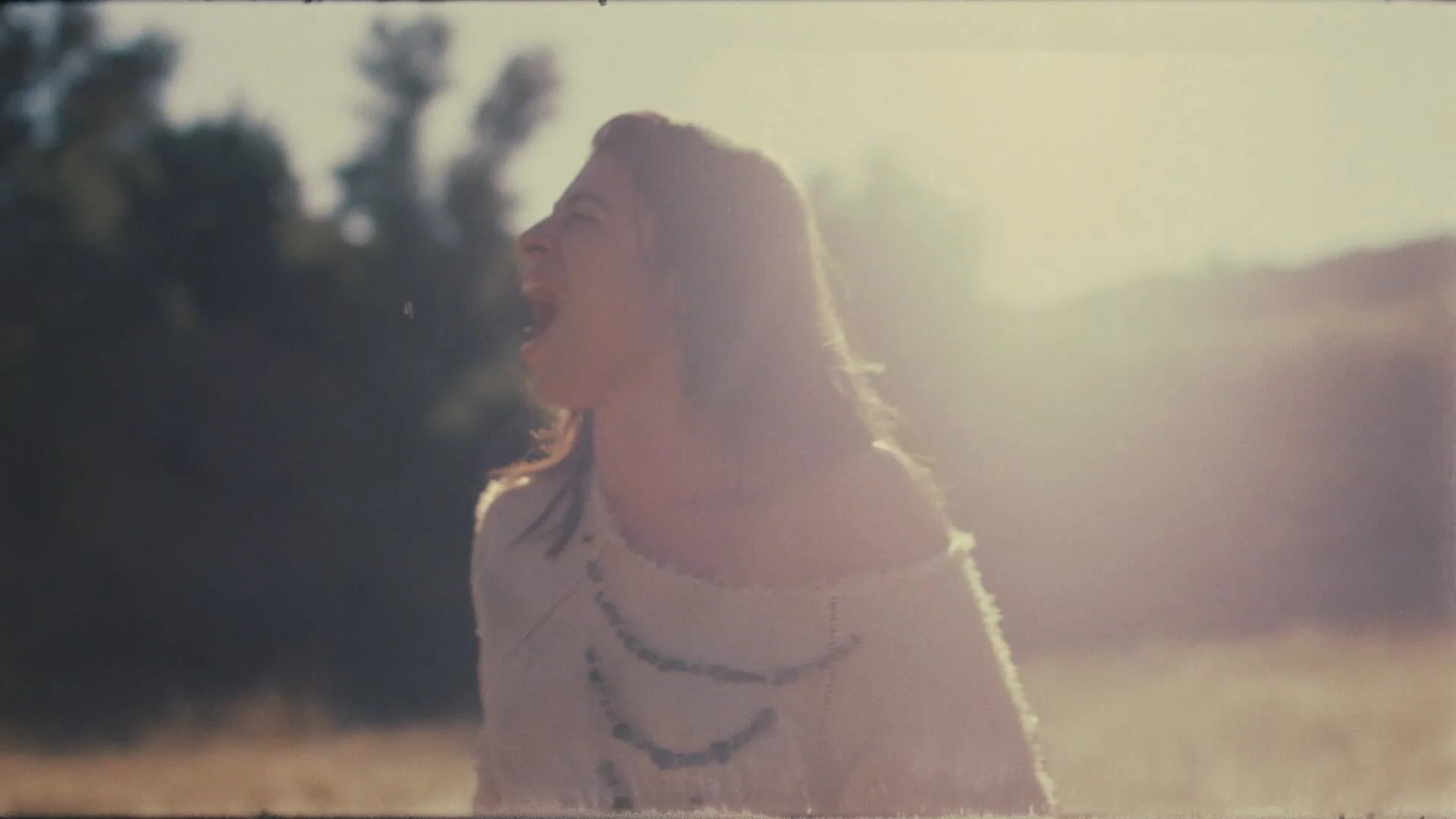
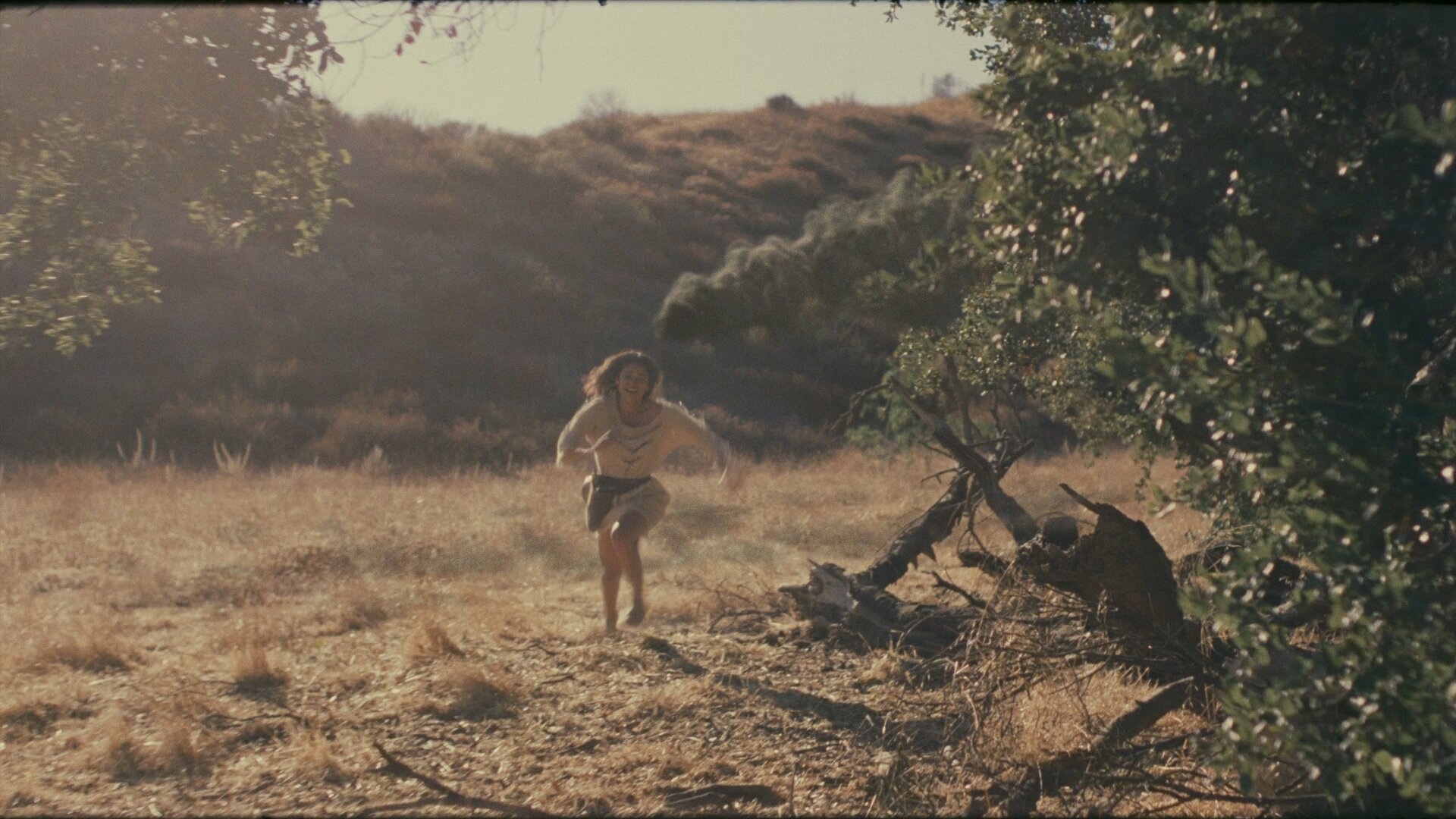
A young girl, who is looking to learn more about her world and herself, encounters her inner demons.

Interview with Cinematographer/Writer/Director Olivia Segarra Alcala


Congratulations! Why did you make your film?

It all started as a class exercise. I was studying the cinematography master at the American Film Institute and the idea was to explain a story visually on 35mm format so we gained more experience with film. We were given the option to direct, and I had already done it once before for a similar exercise so I though it would be a good idea and it would help me grow.

I had had a tough year coming to that point, lots of anxiety, negativity and bad thoughts. And suddenly this became an opportunity to express myself about it. The story of Nayaran, the protagonist of this piece, came to me so suddenly. Those are the only moments I dare to write, when the story just sort of comes to you and it seems to express quite well your inner processes. So I made this film because of an exercise, but it became a great cathartic experience. I got to let a lot out.

Imagine I’m a member of the audience. Why should I watch this film?

This film is about confronting our inner fears, not running away from them. I hope seeing this little piece is somehow of a liberating experience. At least that was my intention.

It's a piece where different people can interpret different things. I have always liked stories where we, the audience, become active collaborators in the unraveling and understanding of the story. Basically I like that we don't have specific answers to all of the questions raised in the narrative, I feel that creates engagement.

A TI, HUMO

A TI, HUMO

How do personal and universal themes work in your film?

Well, as I have already mentioned, I tried to express my overcoming of a year that was really tough for me emotionally, physically and above all mentally.

At the time I wrote the script of this piece I had already been attending therapy for a while so I felt strong enough to start thinking that things might fall into place soon enough. I felt the need to talk about the overcoming of my personal darkness - which I wanted to translate to everybody’s own darkness. We all have the power within ourselves to change our perception over the world we live in, and how we live in it.

I also wanted to have a second line of narrative, something that was there, more in the background of the story but that hopefully would translate. That is the contrast between nature, which is our protagonist's home, and the dirtiness of smoke, smog and ultimately any big city in this world. That is why, after defeating her inner fears, our protagonists decides to walk towards the dirt and everything that is wrong in this world, so she can defeat it. Because now she is strong.

How have the script and film evolved over the course of their development?

They didn't change much to be honest. As I have mentioned before, I only dare to write when something sort of comes to me instinctively. So once I wrote what I felt needed to be written, that was it. I felt the most changes came with the visual world and the smoke (which is the representation of our protagonist and the audience's negativity, fears, sadness...). It was hard to find our protagonist as I envisioned someone who could represent everyone. I have to express my gratitude for Nikki Mejia (our protagonist) who made this possible with her incredible talent.

A TI, HUMO

A TI, HUMO

What type of feedback have you received so far?

Most of it has been quite positive, I feel like I did not manage to communicate everything I wanted to. I feel like what I am explaining in this interview may not come through enough on the piece. Emotionally speaking. I wish I had done a better job at that but hey, we are all learning. I would love for this to be an emotional piece, for it to create some kind of cathartic experience to, not everyone because we are all different, but some of the people who may watch it.

Also we should have done a better job with the smoke, but it was a tricky one. It has had its own festival run and it went well. So overall I am quite happy with it.

Has the feedback surprised or challenged your point of view?

It has. I am a person that really believes and trusts instinctual thoughts and feelings. I have learned that maybe I do that a little bit too much. I should find a better balance by combining instinctual and actual narrative and visual language guidelines. All that we learn in terms of storytelling is there for a reason, the reason is, it works. So I should also trust that more.

What are you looking to achieve by having your film more visible on www.wearemovingstories.com?

I would love to get to know collaborators. I wrote, directed and dp'd this piece but I actually love cinematography. It was a great exercise but I would love to get to know more filmmakers and hopefully find the time and place to collaborate.

Who do you need to come on board (producers, sales agents, buyers, distributors, film festival directors, journalists) to amplify this film’s message?

If I were to think about a longer version of this piece I think I would need a director and writer probably, so we can collaborate on it. I had the best producer, Blanca Balleste, so I would stick with her.

What type of impact and/or reception would you like this film to have?

If people who watch this little piece feel something, even if they do not understand, that would be a great achievement for me. My aim is to work on projects that make people feel, reflect, analyse. If this piece did that to anyone in any form, that is what would make me the happiest.

A TI, HUMO

A TI, HUMO

What’s a key question that will help spark a debate or begin a conversation about this film?

Do we give enough importance to our mental health? Do we live a coherent life within the world we live in?

Would you like to add anything else?

I would love to thank everyone who made this film possible. It was an amazing experience for me and I work with amazing humans and that means the world to me.

What other projects are the key creatives developing or working on now?

Well, I am gaining experience by collaborating in narrative shoots and open to any new connections that may come my way back in Spain but soon to move back to Los Angeles. My producer is working for a few commercial production companies in LA already.


Interview: August 2021


We Are Moving Stories embraces new voices in drama, documentary, animation, TV, web series, music video, women's films, LGBTQIA+, POC, First Nations, scifi, supernatural, horror, world cinema. If you have just made a film - we'd love to hear from you. Or if you know a filmmaker - can you recommend us? More info: Carmela


A TI, HUMO

Length:

3:24

Writer/Director

OLIVIA SEGARRA’s first project as a writer. A ti humo's story just sort of came to her and she had to write it. It was just a matter of good timing that she got a chance to make it happen. Second project as a director. The first one being also a small school exercise. The experience was very much enjoyable and cathartic and also helped Olivia understand the role of directing a tiny bit better.

Producer

BLANCA BALLESTE is a well known music video producer back home in Spain, known for her work in different projects for CANADA (production company). She moved to LA to be able to jump into Fiction and into the Los Angeles industry.

Key cast:

Nikki Mejia (Nayaran)

Instagram:

https://www.instagram.com/oli_segarra/

Hashtags used:

#atihumo

More info:

www.oliviasegarra.com

Made in association with:

AFI Conservatory

Where can I watch it now?

It can be seen in my personal Vimeo page:

https://vimeo.com/419075086

Or at AFI Cinematography Faculty's Vimeo:

https://vimeo.com/426699021

August 20, 2021 /Carmela Baranowska
Comment

MDFF 2021 - Castro's Spies

August 19, 2021 by Carmela Baranowska

The truth lies in the shadows

Interview with Writer/Director/Producer Ollie Aslin, Gary Lennon


Congratulations! Why did you make your film?

OLLIE: Thanks. Spies play a huge role in popular culture. A life in the shadows is what we grew up watching and reading. We’ve both always loved the spy genre, so we leapt at the opportunity to meet the real-life versions of these fascinating and elusive characters. While this is of course a documentary, we approached it like a drama film. We wanted to make a film that was first and foremost a spy-thriller, rather than a historical document. And at the core of any decent spy thriller are the characters. That was perhaps the most attractive thing for us in making this film. The characters are incredible, on both sides of the story.
GARY: This is real life, not a well-crafted Hollywood script. It struck us quite profoundly that most of us lead quiet normal lives, but the characters in our film all led extraordinary lives. And the stories they were telling were remarkable. We were also struck by the sense of duty all the characters felt to their cause, be they pro or anti-Castro. In short, it was a film we felt we had to make.

Imagine I’m a member of the audience. Why should I watch this film?

GARY: People should watch this film if they want to be entertained by a rollicking good spy thriller. Also I think it’s a really rare opportunity to get a glimpse of those that work in the world of espionage. Most often in documentaries these characters are whistle-blowers or have defected or switched sides. In this film these characters are quite different. They stuck to their cause, regardless of the consequences. I think understanding the human cost of this is fascinating for the audience.

How do personal and universal themes work in your film?

OLLIE: The most universal theme in this film is love, or more specifically, the love of your country. Both the pro and anti-Castro characters LOVE Cuba and is at the heart of all of their motivations and actions. But the nuance in this story and the difference between these two polarised groups of characters is ‘which’ Cuba they love. And this is as simple as Cuba before or after the 1959 Castro led Revolution. The characters in our film would do anything for their version of “Cuba”, regardless of the the price they may have to pay.

Castro's Spies

Castro's Spies

How have the script and film evolved over the course of their development?

GARY: The story structure always remained the same. This is a story that we knew the end of. We had a 10,000 page trial document that detailed every minute part of the Cuban’s time spying in the U.S. But it was how we told this story that was constantly evolving. The first cut of this film was really long, about 3 ½ hours. We had to tell the history but our focus was on the human stories that lived this history. So we paired back on the history to allow the personal stories to take the primary role. We framed the history through our characters experiences.

OLLIE: Something that was constantly evolving was the visual style of this film. These guys by the very nature of their jobs did not have visual recordings of their work – they lived in the shadows. We first discussed reconstructions and mapped these out. You can see some of this in the final cut, with the FBI raid and the spy lairs in Miami. But weaved throughout the film is this fantastic footage from a 1970’s Cuban spy TV show called ‘In Silence it Had to be Done’. This came about really organically. During an interview for our film in Havana with Fernando, one of the spies, he mentioned this Cuban TV show. I’d never heard of it before. He said it influenced him in becoming a spy, when he watched it he realised he could serve his country in such a way. I got my hands on the series and fell in love with it. It’s quite kitsch, but it was a huge TV series in Cuba in the spies formative years and acted as an inspiration for them. A bit like a 1970’s Cuban James Bond. We were able to visually tell so much of the spies story through this, which gives our film a really unique style. This is far from something we had planned in our initial visualisation of the film.

What type of feedback have you received so far?

GARY: We have been really lucky to receive overwhelmingly positive feedback from both industry and audience reviews. With headlines including; “compelling”, “utterly thrilling”, “a remarkable piece of work", "slick, gripping documentary", "as tense as any John le Carré novel", “as thrilling as any espionage movie”. So we’re really happy that people are seeing our film as the spy thriller that we intended to make. For anyone that’s interested, here’s a selection of some recent Castro’s Spies reviews: https://www.gambitpictures.com/castrosspiesreviews

Has the feedback surprised or challenged your point of view?

OLLIE: I think what has stood out for us the most is that people have complemented us on the sense of balance in the film. The story at the heart of this film is really polarising. Both the pro and anti-Castro supporters stand firm in their lifelong beliefs. We approached the film with no political agenda and wanted to tell the story as it was lived by the characters that inhabited it. A recent review from FilmInk summed up our film as, “a distinctly neutral standpoint to the heated political tensions between the U.S. and Cuba”.
GARY: We’re really delighted that people seem to have got to the core of the story that we wanted to tell. So much work and effort goes into making films like this, with the huge help of a large team of people. So I guess we’ve been delighted rather than surprised by the feedback.

What are you looking to achieve by having your film more visible on www.wearemovingstories.com?

GARY: No doubt like every filmmaker we made this film to be seen by as large an audience as possible. We want to entertain and capture the imagination of people with this incredible story. So having this on your site will hopefully help to build that audience. To see where Castro’s Spies is playing next check out our website: https://www.gambitpictures.com/watch-castros-spies

Who do you need to come on board (producers, sales agents, buyers, distributors, film festival directors, journalists) to amplify this film’s message?

OLLIE: We’re gathering great momentum on the festival circuit, so for starters we’d love to show this film in as many festivals as we can around the globe. Our Gala World Premiere Festival, screening to a live audience of 100’s, was moved online. And festivals that followed this also had to move online due to covid restrictions. The film is going back into cinemas now and we’d love to see more in cinema festival screenings. So please any festival programmers / directors reading this that think this film is a good fit for them, please do get in touch. On writing this we’re yet to have a confirmed North American Festival, that’s a real big one for this film, so we’d love to get it screened over there.

GARY: We’re also open to reviews / interviews from journalists. Beyond that our sales reps (Submarine Entertainment) are handling world sales, so we’d love to hear from distributors/networks/streamers interested in taking Castro’s Spies on for their territories.

Anyone looking to get in touch please contact us on info@gambitpictures.com

What type of impact and/or reception would you like this film to have?

GARY: We really hope people are entertained. And that people get to immerse themselves in a stranger than fiction story that they would otherwise perhaps never have learnt of.

What’s a key question that will help spark a debate or begin a conversation about this film?

OLLIE: What would you be willing to risk for your country?

Castro's Spies

Castro's Spies

Would you like to add anything else?

GARY: Tensions are at a real high between Cuba and the U.S. at the moment. We’d love for people to watch this film to understand the context and history behind these tensions. Everyone knows Cuba; Fidel, Che, Cigars, Buena Vista Social Club – people have maybe heard of the Bay of Pigs. But how much do people really know about this small communist island, 80 miles south of the U.S?

What other projects are the key creatives developing or working on now?

GARY: We have in production a feature length documentary called Piano Dreams, about child piano prodigies in China. It’s Hoop Dreams meets Spelling Bee.

OLLIE: We have just finished developing a slate of 6 feature length documentaries for our national film board, Screen Ireland. Which includes; Beatle Island – An island off the west coast of Ireland bought by John Lennon, and inhabited by a bunch of hippies called ‘The Tribe of the Sun’. I Dream in Photos – the story of Pulitzer Prize winning Irish photojournalist Cathal McNaughton, that quit “the best job in the world”, aged just 40. We also entered our first drama script development – Strikers Sirloin and Semtex. A drama adaptation of our ratings hit documentary In League with Gaddafi – The story of a faked Irish football squad sent to Colonel Gaddafi’s Libya to play his national team, all to the backdrop of beef and arms deals. We hope to go into production with these projects soon. And we’re always on the lookout for new incredible stories.


Interview: July 2021


We Are Moving Stories embraces new voices in drama, documentary, animation, TV, web series, music video, women's films, LGBTQIA+, POC, First Nations, scifi, supernatural, horror, world cinema. If you have just made a film - we'd love to hear from you. Or if you know a filmmaker - can you recommend us?  More info: Carmela


Castro's Spies

Length:

1:43:00

Director/Producer

Ollie Aslin, Gary Lennon

Founder of Gambit Pictures, GARY LENNON is a versatile director & producer with extensive experience of foreign and domestic filming on a broad range of documentary genres. OLLIE ASLIN having spent over 20 years as an award-winning editor directed and produced his debut feature length documentary, Castro’s Spies.

Looking for:

film festival directors, buyers, journalists, distributors

Facebook:

https://www.facebook.com/castrosspies

Instagram:

https://www.instagram.com/castros_spies

Twitter

https://twitter.com/castros_spies

More info:

https://www.gambitpictures.com/castros-spies-1


August 19, 2021 /Carmela Baranowska
Comment

Focus on AFI Conservatory - Cat's Eye

August 19, 2021 by Carmela Baranowska

A young girl struggles with her appearance growing up in a white space.

Interview with Cinematographer/Director Haley Min Young Kreofsky


Congratulations! Why did you make your film?

I made Cat's Eye because I wanted to share how I felt growing up, being adopted and growing up in a white space. I used to wish I was white and all I wanted was to fit in. I used to get teased for being different and it took me a long time to realize that was racism. My mom never quite knew what to say or do when issues like this used to arise, this isn't a criticism of her parenting but how could she understand?

Imagine I’m a member of the audience. Why should I watch this film?

A reason to watch Cat's Eye is to understand how damaging it can be to grow up different, no matter the color of your skin.

How do personal and universal themes work in your film?

This film is a specific to growing up Asian American but I strongly believe that everyone can understand wanting to fit in. Having the desire to blend in isn't a unique experience to being adopted. However, being adopted isn't a topic that isn't spoken about often. Or if it is, its often times with a white lens and not from the adoptee themselves.

Cat's Eye

Cat's Eye

How have the script and film evolved over the course of their development?

The idea started out as images and lines from one of my favorite novels. I sat down with the screenwriter VICTOR GABRIEL and we created the story together based on my experience.

What type of feedback have you received so far?

There are two types of feedback I've received. Many people have told me how they have been touched by this film because they experienced a similar feeling growing up. They felt how they so badly wished they were white and didn't like what they saw in the mirror. I've been told by many caucasian people how they were moved because they never knew that feeling existed.

The other feedback I have received has that Cat's Eye hasn't done well in the festival circuit. Honestly, I'm okay with that because when people do write to me about Cat's Eye it always comes from a genuine place. We aren't making films for the accolades but to touch people and expand their repertoire of emotions.

What are you looking to achieve by having your film more visible on www.wearemovingstories.com?

To be frank, I don't consider myself a director. I would love for Cat's Eye to be made into a feature and for me to be able to collaborate on this film with another director. I would of course, want to be the director of photography on this film.

Cat's Eye

Cat's Eye

Who do you need to come on board (producers, sales agents, buyers, distributors, film festival directors, journalists) to amplify this film’s message?

I would need a producer, film festival director and funding to make this film into a feature.

What type of impact and/or reception would you like this film to have?

The impact I hope for this film to have is to help people put words / images to how they may have felt growing up. Its to help people heal those childhood wounds, maybe it will help them feel not so alone with those feelings.

What’s a key question that will help spark a debate or begin a conversation about this film?

I'm not sure if I have a key question for people but more of a statement of how hard growing up can be when you aren't "normal".

Cat's Eye

Cat's Eye

What other projects are the key creatives developing or working on now?

I'm shooting a couple short films in the up coming months. I'm always looking for more creatives to collaborate with.


Interview: August 2021


We Are Moving Stories embraces new voices in drama, documentary, animation, TV, web series, music video, women's films, LGBTQIA+, POC, First Nations, scifi, supernatural, horror, world cinema. If you have just made a film - we'd love to hear from you. Or if you know a filmmaker - can you recommend us? More info: Carmela


Cat's Eye

Length:

3:26

Writer

Growing up in poverty, VICTOR GABRIEL realized that water in cornflakes doesn't taste as bad as you think it would. He wandered without a home before eventually ending up in Compton CA. Now as a black male writer/director and recent MFA graduate of AFI Conservatory, he has turned to filmmaking as way for him to wrestle with his own suffering as well as the suffering of others. He holds an MA in Clinical Psychology and has been working as a Marriage and Family Therapist with survivors of trauma in Compton/Watts/South Central for the past several years. His short film Black Boys Can’t Cry, is currently being shown in festivals. His favorite movie is Richard Donner’s Superman. He likes Red Vines and thinks Twizzlers are trash. Big years.

Cinematographer/Director

HALEY MIN YOUNG KREOFSKY is a Korean American director of photography. She recently graduated from American Film Institute with an MFA in Cinematography. She began her film career in the grip and electric departments, she has since enjoyed stirring up the boy's club while wearing her floral boots. Kreofsky has an extensive background in film photography and has shot on motion picture film (super 8, 16mm and 35mm).
Recently, a short film she shot A BUTTERFLY VANISHES won best short film at San Diego International Film festival. Kreofsky values collaboration and staying true to the director's vision while using her skills to amplify the story being told.

Producer

CATALINA LORET, is a Mexican-American born Filmmaker. In 2014 she started her film directing studies in New York and then continued her journey to Los Angeles.

In 2019, she was selected as one of the fellow's for HBO's "Tomorrow's Filmmakers Today" by HMFF. That same year she merged her passion for scuba diving with her filmmaking career and got her certification in Underwater Cinematography under the guidance of Vance Burberry.

Most recently, her short film Flores Dentro, received the Jury Award for Best Experimental Film from the National Film Festival for Talented Youth.

Catalina’s work usually takes place on the production team and currently she’s working on her ongoing documentary film Lu’um, which takes place in her hometown of Mérida, Yucatán, México.

Key cast:

Jenny Oh

Looking for:

sales agents, film festival directors, producers, distributors, buyers

Hashtags used:

#asianamerican #kodakshootfilm #cinematographer #identity

More info:

Made in association with:

AFI Conservatory


August 19, 2021 /Carmela Baranowska
Comment
Screen Shot 2019-05-10 at 4.20.32 PM-1.png

The Double Life of Hugh

August 18, 2021 by Carmela Baranowska

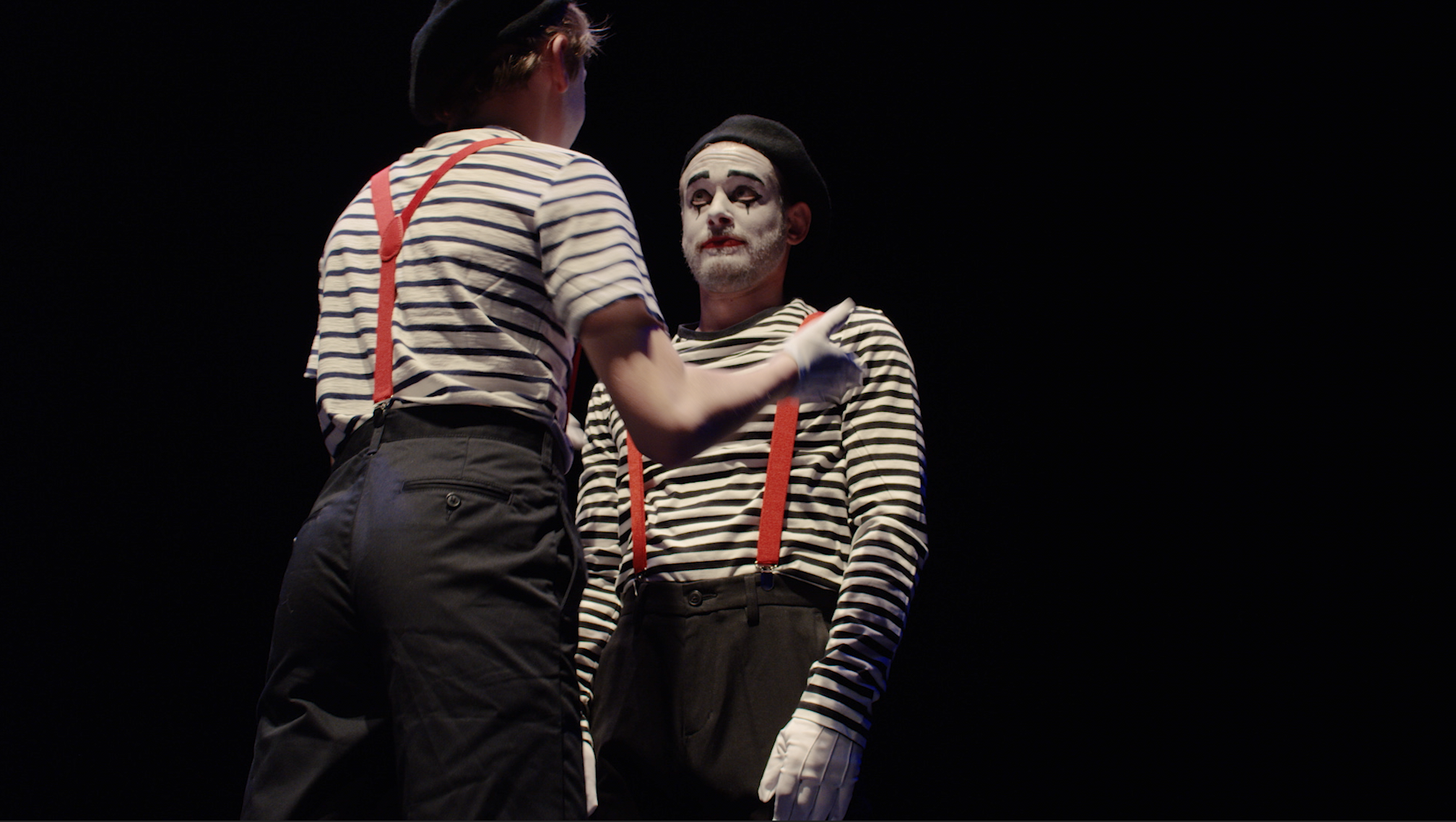
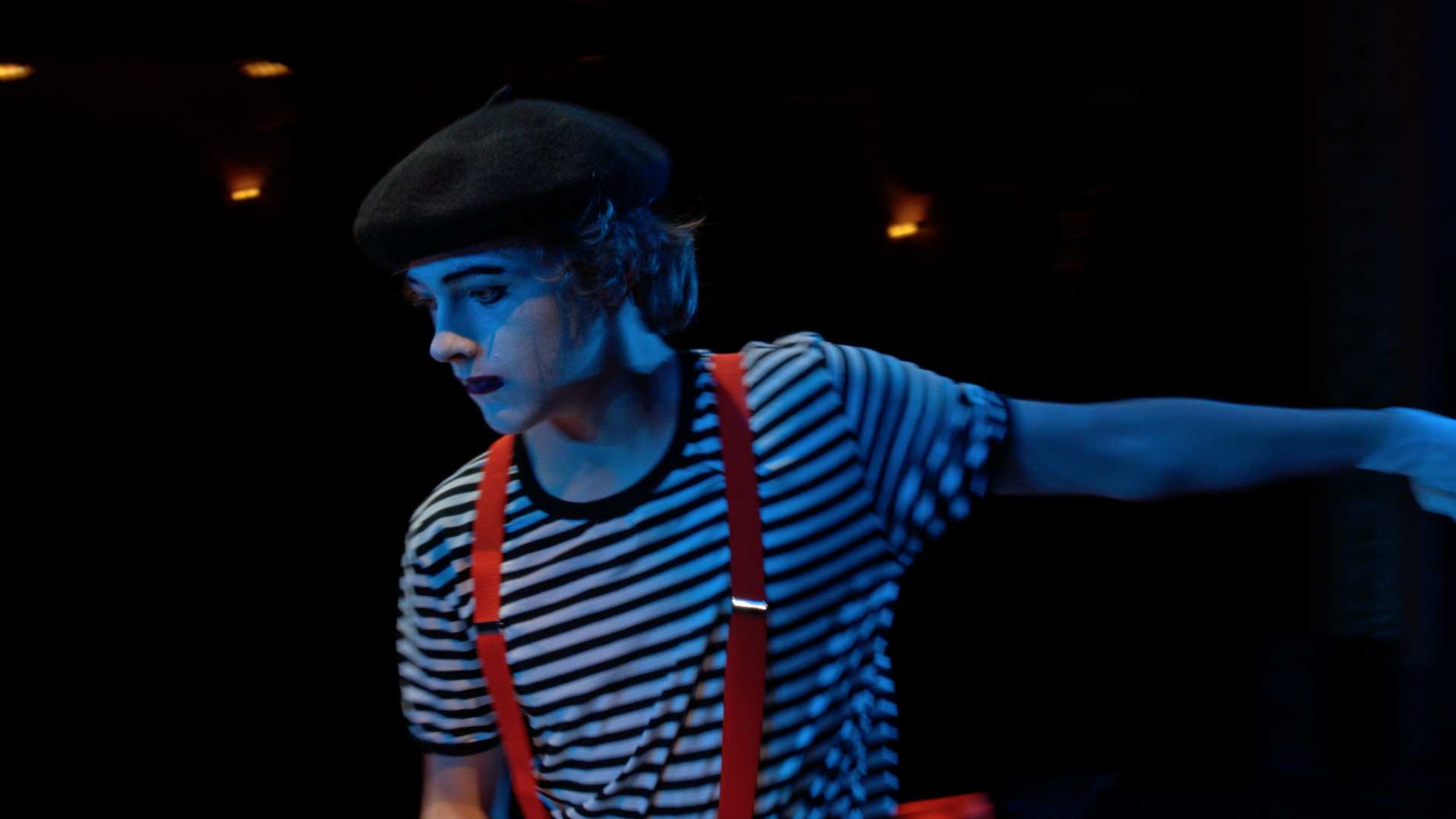
Hugh (Nate Ruth) and his father Hugo (Colin Allen) have very different ideas about what it means to be a mime.

Interview with Writer/Director Ben Tobin


Congratulations! Why did you make your film?

During film school I took a class on directing commercials. The idea I ended up executing involved a father and son mime duo. There ended up being a lot more story to the characters than anticipated, and while we were shooting the spec commercial I ended up having these discussions with the actors about all of the things we could possibly do with the characters. Everything from samurai mimes to pirate mimes. The film ended up being about the relationship between a father and son, and the son growing away from the father and finding his own identity. The commercial was a great deal of fun to shoot, and I think we all wanted to go back to this world of mimes.

Imagine I’m a member of the audience. Why should I watch this film?

It's a film about a father and son mime duo, what's not to like?

How do personal and universal themes work in your film?

I think one of the big themes was identity, and finding your own identity. When we shot the commercial the tone was very different because the actor who played Hugh was still a kid, and when we shot the longer film he'd grown into a teenager, which obviously changed the familial dynamic with the father. Having Hugh rebel against his father rather than having a playfully combative stage act moved the film into a more interesting direction. The other big theme is family––in this case fathers and sons. There's sort of ying and yang element to the relationship where Hugh and Hugo are connected and they care for each other, but there's also a great deal of discord.

The Double Life of Hugh

The Double Life of Hugh

How have the script and film evolved over the course of their development?

The script really evolved quite a lot over the course of the development and shooting. I ended up capturing unplanned moments, and certain performance beats and props ended up having more of an influence since everything was based around the silent performances of the mimes. Originally there was a whole other plot thread involving the son mime, Hugh, falling in love with a human statue and that being the reason he starts growing away from his father. We shot that material, but it ended up feeling like a different movie tonally, and it was a lot of information to have to convey that Hugh and his dad had this difficult relationship and then also tell a love story that was fairly removed from the father/son dynamic. There were a number of improvised moments that changed the story. It ended up feeling almost like a documentary in some ways.

What type of feedback have you received so far?

So far there's been positive feedback. It's a family comedy, and it's a silent film so it's pretty universally accessible. The issues presented are fairly simple and relate to what most every family goes through, the push and pull of connectivity and the dissonance of a child trying to find their own way in the world and forge their own path.

Has the feedback surprised or challenged your point of view?

I've definitely gotten some interesting perspectives to think about. I think since the film, even though it has a very silent-movie esque nature, is fairly open-ended and it invites people to put themselves in shoes of the characters. The bizarre cocktail of mimes with family drama and coming of age story...turning familiar tropes on their heads...it doesn't stop people from identifying with the situation of being a rebelling teenager and being a parent trying to parent and protect the child.

What are you looking to achieve by having your film more visible on www.wearemovingstories.com?

I'm hoping to actually expand on this concept and go back in and make it something bigger.

The Double Life of Hugh

The Double Life of Hugh

Who do you need to come on board (producers, sales agents, buyers, distributors, film festival directors, journalists) to amplify this film’s message?

Distributors, festival directors, buyers, producers...I'd love to meet with anyone who felt like the story was worthy of taking a deeper dive. I have a larger vision for what could happen that I hope will come to life one day.

What type of impact and/or reception would you like this film to have?

I hope that it travels far and that people will laugh and that it will lead to more stories with Hugh and Hugo.

What’s a key question that will help spark a debate or begin a conversation about this film?

I think it goes right to the question of nature versus nature, and also what does a relationship look like with one's child? We see the father trying to mold his son into himself basically, and we see Hugh trying to accept that but also forge his own identity away from his father.

Would you like to add anything else?

One of the things that emerged during the course of making the film was what Hugh's rebellion would look like. It's a bit of a strange joke, but the idea is that we took the trope of the teenager in the coming of age story who rebels by doing something shocking and asked what that would look like for a full time mime. The inspiration ended up being George Clooney in The Descendents. I remember reading an interview with the director where he discussed the humor of the scene where Clooney is running through suburban Hawaii in sandals and this kind of boring suburban getup...it's this contrast to the characters we typically see Clooney play...that's where the humor came from.

One of the big things I like to play with is contrasts, and because Hugh is already in the circus his act of rebellion is instead to run away to something predictable. It ended up being a really wonderful contrast having the colorful stage lights and the classic mime getup with Hugh essentially dressing like a caricature of a suburban dad (how he thinks non-mimes dress) in a fanny pack and high waisted pants. Hugh's a little like the little mermaid finding something miraculous about a fork. He has no idea how to engage with the world outside of being a mime, and that comes down a lot to living in his father's world for so long. I really loved those moments of "discovery" for Hugh because they are so whimsical. The actor did a great job portraying the pure delight he finds in these new experiences and discovering something that's just his. My favorite part was really seeing Hugh and his father come together at the end and they accept each other even though it's not perfect. It's not a healed divide but they can still be family.

What other projects are the key creatives developing or working on now?

I'm working still on a short family film about a boy who encounters a jackalope in 1952.


Interview: August 2021


We Are Moving Stories embraces new voices in drama, documentary, animation, TV, web series, music video, women's films, LGBTQIA+, POC, First Nations, scifi, supernatural, horror, world cinema. If you have just made a film - we'd love to hear from you. Or if you know a filmmaker - can you recommend us? More info: Carmela


The Double Life of Hugh

Length:

8:58

Writer/Director/Producer

Ben Tobin is a filmmaker from Western Massachusetts. A graduate of Oberlin College in Ohio, Tobin returned to Massachusetts to make documentaries about various artists living and working in the Hilltown region of the state. Ben has recently completed the cinematography track at Feirstein Graduate School of Cinema.

Key cast:

Nate Ruth, Colin Allen

Looking for:

film festival directors, producers, distributors

Social media

https://twitter.com/NewfzillaProduc

https://www.instagram.com/newfzillaproductions/?hl=en

More info:

https://www.newfzillaproductions.com/the-double-life-of-hugh

Where can I watch it now?

The Double Life of Hugh will be showing at KidsFirst Film Festival and the Universal Kids Film Festival.


August 18, 2021 /Carmela Baranowska
Comment
Veil- Frame Grab 1(1).jpg

Focus on AFI Conservatory - Veil

August 18, 2021 by Carmela Baranowska

A Muslim teenager with a conservative upbringing deals with the consequences of switching her dress into a more revealing outfit with the help of her friend at a high school prom.

Interview with Writer/Director Zahra Golafshani

Watch Veil on the AFI Conservatory Films’ website


Congratulations! Why did you make your film?

Identity is a very fascinating subject to me; how identities shape, what we do to fit in, and how we find true belonging. I guess the fascination began when I found myself in a new city and in a new country, yet another time. I had been rooted and uprooted so many times I had lost count. And yet, once again, I was faced with the same question: who am I and where do I come from.

One of my earliest memories of trying to answer these questions was from the time I had migrated from Iran to Canada and my quest on finding a right group of people to hang out with. VEIL is a fictionalized story of a teenager who attempts at answering those questions.

Imagine I’m a member of the audience. Why should I watch this film?

Growing up is hard, and no one wants to feel like an outcast because of things that construct their identity.
Growing up muslim in a Western culture, you are bound to have split identities and a lot of questioning about your faith and the choices you have to make. This is to normalize the questioning.

How do personal and universal themes work in your film?

Fitting in, assimilation, becoming accepted and most importantly, arriving at self-acceptance, are all universal themes. You don’t necessarily need to be an out-cast to long for other’s approval/ acceptance. There are moments in everyone’s lives that we are faced with making certain choices to gain others approval.

It becomes more personal once you look for those moments in your own life.

VEIL applies this concept to a minority group to show how the stakes get higher.

How have the script and film evolved over the course of their development?

The original script included Leila’s Iranian family and it was a light-comedy. So, I would say it has changed drastically. Although, I’d say with this version the challenge of establishing culturally relevant things was reduced and the universality of the overall themes got more infused

Veil Behind the scenes

Veil Behind the scenes

What type of feedback have you received so far?

Veil/ Hijab, is an important subject to most muslims and by important, I mean tricky or touchy.
My film’s belief regarding veil is that once you are removing the physical veil, you are putting on a different veil that makes you blend in; hiding who you are and your personal beliefs. Wearing a veil in a non-islamic society can make you stand out. Which some would argue is the opposite of its principle; having a veil is to be modest. This Duality is difficult to argue in words little alone, in a short film, from the perspective of a muslim teenage girl.
Thus, it offends some. I’d argue we haven’t had much opportunities to explore these type of stories in our media as we have only seen negative, one-sided portrayal of muslims. Getting exposed to stories like VEIL can challenge some.

On the other hand, some have came to tell us that they or someone they knew went through something similar in their adolescent years. Therefore, those who get offended by a story like VEIL should consider that VEIL represents a true, authentic, untold-story-of-many, going through it.

Has the feedback surprised or challenged your point of view?

Not at all. As mentioned, I could expect some of the reaction. Some, who weren't familiar with the concept of veil or the stakes it holds, didn't understand/ enjoy the film. and yet, there were some who felt the opposite; they now had a small insight into the lives of those whom they couldn't ever guess.

What are you looking to achieve by having your film more visible on www.wearemovingstories.com?

I'm really grateful that there's a platform like We Are Moving Stories to showcase the work of emerging artists who tell stories of diverse origins.

With the opportunity that We Are Moving Stories has given us I'd love for VEIL to reach a wider audience to create more conversation around this topic, and also to receive feedback on the making of it.

Who do you need to come on board (producers, sales agents, buyers, distributors, film festival directors, journalists) to amplify this film’s message?

Hopefully, with the visibility that We Are Moving Stories will bring us, we would love to have sales agents, buyers, distributors, film festival directors and, journalists to come on board, so we can reach more people to watch the film.

What type of impact and/or reception would you like this film to have?

To create an understanding around the deep personal struggles that someone like Leila has to go through in order to be able to form their beliefs and identity. Every culture & religion has got their own sets of challenges and requires each person to come up with their own way of dealing with them. And, finally, to see a muslim story under a light that's not the usual one-sided, negative representation.

And finally, hoping that one day they can remember this film.

What’s a key question that will help spark a debate or begin a conversation about this film?

Does belonging mean to fit in, or to present yourself authentically?

Would you like to add anything else?

Lean in to the areas of your life you think you should change to be able to assimilate, to fit in. Those are the areas that actually will help you create your story and will lead you to your path to your own (self) discoveri(es).

What is inspiring about the greatest artists, authors, well-established personalities is that when you look deeply on their journey to success, they all leaned into their own adversities, challenges, or obstructions and turned them into their guiding light, instead.

What other projects are the key creatives developing or working on now?

I'm currently in development with two features reinforcing the same underlying themes of belonging, feeling accepted and understood.

One is a murder-mystery called ISLANDS, which is a dual narrative that cuts between past and present, and is about the defiant Ojibwe sergeant of a remote cottage community who reckons with the buried trauma of losing her first love as she investigates the recent murder of a girl at the property of her former best friend.
It's written by my Canadian friend Dan Cameron and we are hoping (pandemic permitting) to shoot it in summer of 2022 in Canada.

The other one is a romantic- adventure called LET'S FALL IN LOVE UNTIL WEDNESDAY, that is surely going to be a feel- good movie. I'd explain it as: when an unemployed divorcee accepts an invitation to vacation with her conservative elderly parents in the wilderness of Newfoundland, she meets the bewitching driver of a bus full of chaperones who turns her world upside down.

It's an extremely visual story with un-imaginable landscapes. Whales, icebergs and Northern lights, to name a few.

Interview: August 2021


We Are Moving Stories embraces new voices in drama, documentary, animation, TV, web series, music video, women's films, LGBTQIA+, POC, First Nations, scifi, supernatural, horror, world cinema. If you have just made a film - we'd love to hear from you. Or if you know a filmmaker - can you recommend us? More info: Carmela


Veil

Length:

9:00

Writer/Director

ZAHRA GOLAFSHANI is a Los Angeles-based, Iranian director currently prepping to direct a TV movie for a Canadian Television network. Accolades include several consecutive nominations and wins for her short films at Academy Award & Canadian Screen Award qualifying film festivals. She received her BFA degree with honors in Canada and holds a MFA in Directing from the American Film Institute. Zahra has received mentorship from acclaimed filmmakers such as Zal Batmanglij (the OA) and Chinonye Chukwu (CLEMENCY).

Producer

Growing up in a single-mother Taiwanese household, DANIEL LEIGHTON's upbringing reflects his interest in stories from under-served, minority and fringe perspectives that often focus on delving deeply into idea or issues that are not well examined. He produces projects from diverse and passionate storytellers with clear voices and is deeply interested in how story and character moves audiences. His films have been shown on HBO, Amazon, Funny or Die, Short of the Week and have played at countless film festivals throughout the world. He has an MFA in producing from the American Film Institute Conservatory and degrees in film studies and English literature from UC Davis. He loves animals and has a deep fascination with deep, dark water and deep, dark space.

Key cast:

Jennalyn Ponraj (Leila), Danielle Larracuente (Valeria), Christopher Avila (Milo)

Looking for:

sales agents, journalists, distributors, film festival directors, buyers

Facebook:

https://www.facebook.com/Veilthemovie

Instagram:

https://www.instagram.com/veil_themovie/

Hashtags used:

#veil #veilanafithesisfilm #veilthemovie

More info:

https://www.veilthemovie.com/

Made in association with:

AFI Conservatory


August 18, 2021 /Carmela Baranowska
Comment

Kids Don't Die

August 14, 2021 by Carmela Baranowska

A striking short story about a mother in absolute despair who tried to kill herself and her children twice in one day.

Interview with Writer/Director/Producer Pedro Patricio


Congratulations! Why did you make your film?

I wrote Kids Don’t Die because I wanted to talk about our current volatile times, urban poverty, social desolation, family separation, suicide and the unexpected turns of destiny. Inspired by true events, I change and add a few twists to the main dramatic incident, creating an original fictional narrative short story, about a mother in absolute despair, who has lost custody of her children and is about to mentally/physically implode. That day, when she’s suddenly confronted by a shocking accident, it pushes her overboard, and she totally looses control of herself and tries to commit the most horrible crime, by trying to kill herself and her children twice in one day.

Imagine I’m a member of the audience. Why should I watch this film?

If you're a fan of short films with social themes behind them. If you're fan of drama, crime fiction, horror/thriller films, this film definitely has some of those elements. This film has a difficult subject matter, and my intention as an artist was to show this tragic story in a neutral way, not portraying the lead character as a drug addict, an alcoholic or mentally ill, easy, usual stereotypes that these type of characters and worlds get attached, associated to. We stayed away from that, and tried to portray that a normal, goodhearted human being, can be exposed to levels of social desolation, system failures, that can trigger these irrational actions. Nobody willingly wants to end up experiencing these tragic moments.

Through this short film and its ending, I wanted to leave a feeling of hope in the audience, I wanted the survival miracle to become a magical moment. To show the possibility of another route. That the unexpected turns of destiny sometimes gives you another chance. A powerful message helping parents in despair, feeling desolate, showing them that another route is always possible.

Kids Don't Die

Kids Don't Die

How do personal and universal themes work in your film?

Genres: Drama. Psychological thriller. A crime fiction tale bordering horror.
Themes: Urban Poverty, Social Desolation, Family separation, Suicide, Infanticide, Befallment.
I would say most of the themes present in this film have a universal resonance. Urban poverty carries and arises the same difficulties and tragic stories like the one this film tries to expose anywhere in the world. Kids Don't Die was inspired by a true story from a Russian woman that went through this ordeal.
Her personal story inspired me to write this initial short film, it blew my mind away when I heard all the struggle she had been exposed to, and how she ended up taking these irrational actions and loosing control of her life, her family.

How have the script and film evolved over the course of their development?

They film premiered in NY right before the pandemic hit, we were lucky to have one live theater premiere and then it all went to the new wave of online streaming film festivals, a new venture for everyone involved, with a definite strange distant feeling, as the unique experience of the live audience disappeared. We won two awards and showcased in multiple cities/countries: from NY to Germany, to Malta, to Thailand, it was quite a fascinating run. We've recently been invited to the Hola Mexico Film Festival in LA, and the film will have it's closing chapter with a live audience. So I would say the film survived, just like the kids, ending our festival run with a live audience is another miracle.

What type of feedback have you received so far?

Here's a note from an audience member I received after our opening night at the Anthology Film Archive for the New Filmmakers NY program:
"Enjoyed your film: Kids Don't Die. I thought it was beautifully shot, lit, and had emotionally full and grounded performances. I wanted to say thank you for sharing your film and I believe it is very timely with the inequality gap being the largest it has in sometime in the US. More families are moving into poverty and working for small wages. I was very moved by your film and think shining a light on urban poverty is important. I also believe our environments shape us and our emotions, which was evident to me in your film. I hope, and am sure, you have many festivals ahead. Break a leg, and best of luck on your upcoming screenings."

Kids Don't Die

Kids Don't Die

Has the feedback surprised or challenged your point of view?

The feedback has surprised me in a good way because it confirms once again that any audience is a good audience. They always get it, even if at first they despise the subject matter. They know exactly what's going on, and feel horrified by the actions this mother takes.
My point of view remains the same, the social pressure that some people are exposed to in our society are horrendous, and actions like these are judged erroneously ahead of time without looking at all the pieces, the origins of how a person got to that point of incriminating themselves in trying to find a way out. The lock-down experience during the pandemic also brought the themes expressed within this film to a new high.

What are you looking to achieve by having your film more visible on www.wearemovingstories.com?

I'd like for the film to have more exposure online and for more people to be able to view the film. The film is currently on Amazon Prime Video, and easy access platform for anyone to log into and view the film. Here is the link:
https://amzn.to/2Uzznb3

Who do you need to come on board (producers, sales agents, buyers, distributors, film festival directors, journalists) to amplify this film’s message?

Producers, sales agents, buyers, distributors, film festival directors, journalists. At this point in my career, I'm really trying to find representation by independent art-house agency/company. Someone who can back and finance my future films. Obtaining funds to be able to finance these films is something that I'm currently seeking.

What type of impact and/or reception would you like this film to have?

A positive reception, as these social themes are repetitive within the stories I am trying to create. I feel that by addressing these issues we all get a chance to think and converse about them. Talking and thinking about our problems as a modern evolving society, is the only way of finding new ways to solve them, new ways of building a better fairer world.

What’s a key question that will help spark a debate or begin a conversation about this film?

Why do you think certain people reach these irrational incriminating actions?
What would you do to help them, to try and avoid these modern day tragedies?

Kids Don't Die - BTS with director Pedro Patricio

Kids Don't Die - BTS with director Pedro Patricio

Would you like to add anything else?

If you'd like to hear more about the film and my work as a filmmaker, there's an excellent podcast called 'Discover Indie Film' Episode 150 where you can hear some inside stories of how this film got made and what I am doing next.
Here's the link:
https://discoverindiefilm.com/150-pedro-patricio-kids-dont-die-tirachinas/

What other projects are the key creatives developing or working on now?

'Kids Don’t Die' is part of a trilogy of films that I’m currently working on in Brooklyn, NY.

Our next short film 'I DID' shoots at the end of this summer. I will be thrilled share this new film with you very soon.

Thank you for your reading, much love, Pedro Patricio.

Interview: August 2021


We Are Moving Stories embraces new voices in drama, documentary, animation, TV, web series, music video, women's films, LGBTQIA+, POC, First Nations, scifi, supernatural, horror, world cinema. If you have just made a film - we'd love to hear from you. Or if you know a filmmaker - can you recommend us? More info: Carmela


Kids Don't Die

Length:

14:00

Writer/Director

PEDRO PATRICIO is an American-Chilean award winning director, writer and producer based in Brooklyn, NY. He was raised in diverse cities and cultures: Guinea-Bissau, Africa, New York and Santiago of Chile generating his unique multicultural roots.
After finishing his undergrad theater studies at the University of Chile, he created a theater company and toured with plays through Chile and Italy gaining significant experiences in the actor’s process. He received his MFA in Film from the University of Southern California by writing and directing his thesis short film Tirachinas (2017). His newest short film, Kids Don't Die (2019) won the outstanding short film award at Film Invasion LA (2020) and best short film at Snowdance (2021); his next short film I DID (2022) is beginning principal photography this summer.

Producer

Pedro Patricio, Co-Producer: Ryan Michael Connolly, Loui Terrier

Key cast:

Christine Spang (ALESIA), Phillip Wide (ADAN), Angus North (MIRA), Irungu Mutu (PAINTER), Loui Terrier (PAINTER)

Looking for:

producers, sales agents, buyers, distributors, journalists, film festival directors

Facebook

https://www.facebook.com/kidsdontdie.shortfilm

Instagram:

https://www.instagram.com/kidsdontdie_shortfilm/

Hashtags used:

#kidsdontdie

More info:

pedropatricio.com

Where can I watch it now?

Amazon Prime Video Link:
https://www.amazon.com/gp/video/detail/B097YS5G3Z/ref=atv_dp_season_select_s4

August 14, 2021 /Carmela Baranowska
Comment
MorsDag_ExpoStill5.png

Focus on AFI Conservatory - MORS DAG

August 14, 2021 by Carmela Baranowska

A woman's painful history of miscarriage returns in waves as her teenage daughter's menstruation starts. The constant reminder of what was lost and the obscuring of what she has combines as mother and daughter reconnect.

Interview with Writer/Director Jeanine B. Frost

Watch Mors Dag on AFI Conservatory Films


Congratulations! Why did you make your film?

The same year I decided to apply to AFI I miscarried the little star who'd have become my second child. My husband and I went back and forth, do we try again? - do we wait? - but I decided that filmmaking was gonna be second child. It would take more than the time and effort that caretaking for a second child would have required. I struggled with the choice through my years at AFI and so when it came time to figure out what I wanted to focus on for my thesis, I decided to addressed the subject. We had planted a peach tree in our yard to commemorate the loss and give space for that energy to continue growing and that's where I started with MORS DAG (Mother's Day).

Imagine I’m a member of the audience. Why should I watch this film?

It is a view into a mother daughter dynamic rarely addressed. Culturally it's inappropriate to have disconnected mothers. We are conditioned to be attentive and all giving - self less. And in turn vilified when struggling. I wanted the audience to find empathy and understanding for an unlikable mother and explore how our past reverberates through our presence. It's so easy to just stay there, hidden and shielded, but in the end feeling connected and held in whatever we are experiencing speaks to most people's need.

MORS DAG

MORS DAG

How do personal and universal themes work in your film?

Over time it's become clear to me that my work always tends to focus on the repercussions of trauma. Trauma is a part of growing up, a natural part of life. To be expected and embraced - it's what forms us along with all the other experiences we have through life. Trauma is experienced by all on smaller and larger scales and we internalize and recognize their effects in vastly different ways. This fascinates me. I have had my share of trauma through my teenage years and my 20's, so it's both a personal and universal experience that drove me to focus on how a mother would internalize the shame of not being able to reproduce and in turn how it effects the relationship with her adopted daughter on the day the mother discover her daughters period and consequently her ability to procreate.

How have the script and film evolved over the course of their development?

Everything changes and evolves all the time. That's the beauty of filmmaking. Staying flexible and present is the number one rule! A few examples of how it grew and changed over time. On a script level it was bigger in scope when I first started writing. More characters. More locations - but due to budget constraints and encouragement from producers to use mainly one location, it was simplified. We had all but secured a location with an orange grove, which had great significance for the story, but lost it a few weeks before production and we had to plant just a few orange trees instead which significantly altered the effect of this powerful image reflecting the main characters past. This was a heartbreaking for me but there was no wriggle room with the schedule and I'm sure you can imagine finding an affordable mid century modern house with an orange grove in LA is not an easy task. Even more was cut out in the editing room. Some scenes didn't flow like we had imagined and we cut some pieces out that just seemed too heavy handed in the larger story arc.

What type of feedback have you received so far?

Audiences have expressed that it's a beautiful and impactful story, a new and unique view. Generally people want more than they are given, I think mainly because the mother character is rather unlikable to audiences and they want more time to feel empathy for her.

Has the feedback surprised or challenged your point of view?

The feedback has made me feel like I can be bolder and trust some of my more expressive and outrageous impulses in my writing. Not to shy away from shocking. That's what makes film memorable. All the different voices we were asked to listen to when creating in a school setting, pulled me and some of my collaborators away from actions that spoke to a deeper and more complex character than we ultimately saw on the screen.

MORS DAG

MORS DAG

What are you looking to achieve by having your film more visible on www.wearemovingstories.com?

I would like my film to be seen by a broader audience to start a conversation addressing miscarriage as a natural part of conception and the psychological effects our culturally reinforced judgement has on the individual experiencing the event and repercussions. I would love to screen at more festivals and partner with a distributor with a focus on mental health and female issues (reproductive health).

Who do you need to come on board (producers, sales agents, buyers, distributors, film festival directors, journalists) to amplify this film’s message?

Getting some more PR could definitely help spread the film's message, so I would love to talk to journalists interested in the film and the subject. Festival Directors for more exposure on the circuit and distributors to broaden the scope even further.

What type of impact and/or reception would you like this film to have?

I would like the film to help normalize the conversation around miscarriage and the psychological effects of the trauma associated with the experience. With 20 percent of pregnancies likely to end in miscarriage it's a common thing to go through and I encourage more public conversation to help the women feels less of a woman and alienated from their surrounding and community as a result.

MORS DAG

MORS DAG

What’s a key question that will help spark a debate or begin a conversation about this film?

Do you know anyone who has had a miscarriage?

What other projects are the key creatives developing or working on now?

I (Jeanine Frost) have a first draft of a Danish/American feature drama ready for further development and currently pitching it to Danish Producers. Also in development on a Fictional TV-series about climate change and an American feature drama about the balancing of female desire.


Interview: August 2021


We Are Moving Stories embraces new voices in drama, documentary, animation, TV, web series, music video, women's films, LGBTQIA+, POC, First Nations, scifi, supernatural, horror, world cinema. If you have just made a film - we'd love to hear from you. Or if you know a filmmaker - can you recommend us? More info: Carmela


MORS DAG

Length:

13:23

Writer/Director

JEANINE B. FROST is a Vermont based filmmaker originally from Denmark. She explores deeply personal and psychological portraits in her films, rooting the experience in the stark, honest simplicity of Nordic Storytelling. A 2019 American Film Institute Directing Fellow, mother and lover of black licorice.

Producer

Originally from Moscow, ELENA AKSENOVA is a Los Angeles based producer and production manager. She is a graduate of UCLA's Producers Program. Elena has produced over a dozen short films that have been selected in 100+ festivals and have won 21 awards worldwide. She is a recipient of the Movie Magic Entertainment Partners Producer Award for Outstanding Achievement.

GEENAH KRISHT is a producer and writer from Little Rock, Arkansas. For the last four years, she has freelanced in commercial, television, music video, short, and feature film production. Before that, she was an in-house producer for Dallas-based indie film company Dreamfly Productions. In 2017, Geenah was a producer on feature film 1985. Geenah has produced for clients such as Amazon, Uber, Paramount, NYDJ, Estrella Jalisco, ACLU, among others. Geenah is a graduate of Southern Methodist University with degrees in journalism and film and media arts.

Key cast:

Mette Lisby (Ellen), Cece Abbey (Lilly)

Looking for:

distributors, film festival directors, journalists, buyers

Facebook:

https://www.facebook.com/morsdagfilm

Instagram:
https://www.instagram.com/morsdagfilm/

Hashtags used:

#miscarriage #motherdaughterstory #adoption #stillbirth #afi #studentfilm

More info:

www.morsdagfilm.com

Made in association with:

AFI Conservatory

Where can I watch it?

Middlebury New Filmmakers/ Middlebury, Vermont - August 28. 2021 at 9am (Aug 25-29)

August 14, 2021 /Carmela Baranowska
Comment

SWIPE

August 13, 2021 by Carmela Baranowska

A delinquent teenage boy learns a valuable lesson about growing up.

Interview with Writer/Director Anthony Sneed


Congratulations! Why did you make your film?

I made SWIPE purely in response to being in film school for the last 2+ years. At school, we were taught to do things the "Hollywood way" which I think caused our films to feel really restricted. Not only that, but SWIPE was rejected as a thesis film idea. Then it was rejected as an MOS project that the cinematographers do every year. At this point, you could imagine I was starting to question myself. In my head, the idea worked and was clear, but after you get rejected a few times, you start to have doubts. It's a thing that every artist goes through but it sucks when you're in the midst of the storm. Anyhow, I made this little film in an afternoon and it has gone on to win numerous awards at festivals all over the world and it helped realigned my artistic compass coming fresh out of school.

Imagine I’m a member of the audience. Why should I watch this film?

If you like a true short film with a strong twist ending, watch SWIPE.

How do personal and universal themes work in your film?

Well, the story is based on an act I committed with my friends when I was 12. Coming of age stories really relate to me because there's still an innocence attached to the characters, no matter how bad they are. What I also find interesting is that there are still many opportunities to change paths in life during your teens. It's much easier than adults and there's something impressionable about that I'm drawn to.

How have the script and film evolved over the course of their development?

The script was always pretty much the same from the initial idea, though I decided to cut 90% of the dialog as it's stronger with out it.

SWIPE

SWIPE

What type of feedback have you received so far?

My best friend saw an early cut where the character stops at the magazine rack as soon as he walks in the store. He suggested a radical cut and the cut you see today bypasses that first stop and has him arrive only at the end. By doing so, you're engaging the audience and sustaining the mystery of "why is he in that store?". It was a subtle change that changed everything for me.

Has the feedback surprised or challenged your point of view?

It's surprised me. I was with a live audience at the Florida Film Festival and the huge reaction from the crowd at the end got me emotional.

What are you looking to achieve by having your film more visible on www.wearemovingstories.com?

SWIPE is pretty much at the end of its festival run. I'd love it to get on Vimeo Short of the Week. I'm also hoping to give it a push for the Oscar since it won a qualifying festival.

Who do you need to come on board (producers, sales agents, buyers, distributors, film festival directors, journalists) to amplify this film’s message?

We already have international distribution with Premium Film, but I would love a North American sales agent or distributor to come on board.

What type of impact and/or reception would you like this film to have?

I just want to make the audience laugh with this one.

SWIPE

SWIPE

What’s a key question that will help spark a debate or begin a conversation about this film?

Was the store owner right in his decision?

What other projects are the key creatives developing or working on now?

I just shot my upcoming short "STRIPPER" on the Cherokee Indian Reservation in North Carolina with a group of Cherokee boys who've never acted before. It was by far the best movie-making experience I've had in my career thus far.

Interview: July 2021


We Are Moving Stories embraces new voices in drama, documentary, animation, TV, web series, music video, women's films, LGBTQIA+, POC, First Nations, scifi, supernatural, horror, world cinema. If you have just made a film - we'd love to hear from you. Or if you know a filmmaker - can you recommend us? More info: Carmela


SWIPE

Length:

5:21

Writer/Director

ANTHONY SNEED is a Cherokee filmmaker, who lives and works in Brooklyn, New York.

In 2018, SNEED made his directorial debut with the short film “SUCK” which he also wrote, edited, and performed. He’s since graduated from the director program at the prestigious American Film Institute in Los Angeles where he completed his thesis film “Kush: A Bubblegum Western”.
His most recent short “SWIPE” has won numerous awards at festivals around the world. In 2021, Sneed was featured in CAA’s MOEBIUS Film Festival. He’s recently completed photography on his upcoming short “STRIPPER” shot on the Cherokee Indian Reservation in North Carolina.

Producer

Anthony Sneed, Zane Kalnina, Doug Barden

Key cast:

Nick Hunter (Boy), Lorenzo Rodriguez (Store Owner), Alina Phelan (Mom)

Looking for:

sales agents, buyers

Facebook:

https://www.facebook.com/anthonymichaelsneed

Instagram:

https://www.instagram.com/anthonysneedfilm/

More info:

anthonysneed.film

Where can I watch it:

Fantasia Film Festival/ Montreal, Canada
Montana International Film Festival/ Montana, USA
Athens Marathon International Film Festival/ Athens, Greece

August 13, 2021 /Carmela Baranowska
Comment

Focus on AFI Conservatory - Leave Us Here

August 13, 2021 by Carmela Baranowska

Janine and Lula are having a routine granddaughter and grandmother day out when a stop at a local gas station does not go as planned.

Interview with Cinematographer/Producer Veronica Bouza

Watch Leave Us Here here:


Congratulations! Why did you make your film?

As a cinematography fellow at AFI, we were required to create a short film that focused visuals to push the narrative. Part of the rules was that you could not use dialogue and had to shoot on 35mm.

For my take on this assignment, I designed a narrative that shot in and around a car. Through the conceptual process, Leave Us Here became a love letter to my love of action western films.

Imagine I’m a member of the audience. Why should I watch this film?

Our goal with Leave Us Here was to subvert expectations and challenge gender norms. Typically when we think of western/ action films, we expect our protagonist to be a white male. We wanted to take our audience on a journey with an unlikely duo.

Leave Us Here

Leave Us Here

How do personal and universal themes work in your film?

Family vs the individual: the film opens with Janine alone and that moment is interrupted by her grandma, Lula. Janine has a responsibility in the duo but it is put into question when her grandma, Lula doesn't arrive by the timer.

How have the script and film evolved over the course of their development?

In the early rendition of the script, we had a similar plot but our story took place more driving on the road in a vast desert. Due to budget restraints, we moved our story to a more controlled environment that would allow us to focus more their relationship.

What type of feedback have you received so far?

Overall, the film has been very well received and most people forget that there isn't dialogue. Everyone seems to be curious on what happens next in their journey and when are we going to see the feature or pilot.

Leave Us Here

Leave Us Here

Has the feedback surprised or challenged your point of view?

Not really, since our story is short and to the point. We spend a decent time in pre-pro clarifying our characters and plot points

What are you looking to achieve by having your film more visible on www.wearemovingstories.com?

With having more visibility, we are looking for support in creating more stories like Leave Us Here. Tari and I want to push the boundary on who we see in front and behind the camera.

Who do you need to come on board (producers, sales agents, buyers, distributors, film festival directors, journalists) to amplify this film’s message?

Distributors, journalist, sale agents.

Leave Us Here

Leave Us Here

What type of impact and/or reception would you like this film to have?

I would like this film to start a conversation on expanding storyline of our granddaughter/ grandmother duo. Where are they coming from and what is happening next?

What’s a key question that will help spark a debate or begin a conversation about this film?

When you think of a western, who do you imagine as your duo?

What other projects are the key creatives developing or working on now?

Currently Tari and I are finishing up on our AFI Thesis, We Were Meant To. The story takes place in a world where African men have wings and their first flight is a right of passage. The film should be released late fall.


Interview: July 2021


We Are Moving Stories embraces new voices in drama, documentary, animation, TV, web series, music video, women's films, LGBTQIA+, POC, First Nations, scifi, supernatural, horror, world cinema. If you have just made a film - we'd love to hear from you. Or if you know a filmmaker - can you recommend us?  More info: Carmela


Leave Us Here

Length:

5:34

Writer/Director

TARI WARIEBI is a first-generation Liberian, Nigerian American filmmaker from Philadelphia, PA. He is a graduate of Syracuse University, where he was a McNair Scholar and found his passion for filmmaking. Instead of turning in a research presentation for his final project, Tari created a feature-length documentary on Urban Renewal and gentrification in Syracuse, NY.

Tari’s work as a director, writer, and producer has afforded him the opportunities to create original content for various media platforms, such as VEVO, Vice, Goodwill Industries, and Vogue, garnering millions of views for these platforms. Some of Tari’s other writing and directing credits include TV One, BET Centric, and Def Jam.

An award-winning filmmaker, Tari's work has screened in over 30 film festivals. Tari is a recipient of the Gary Winnick Scholarship and Jack Larson Scholarship for Directing. As a writer, Tari has been a quarterfinalist at the Slamdance Screenplay Competition, a WeScreenplay semi-finalist, and Screencraft Film Fund quarterfinalist.

A class of 2020, Directing Fellow at the American Film Institute Conservatory, Tari is preparing to direct his thesis film, “We Were Meant To,” a coming-of-age tale set in a world where black men have wings. Additionally, Tari has recently completed directing the entire first season of a new health and wellness series for Youtube starring artist Common called “Com + Well” that is out now.

Producer

VERONICA BOUZA: Veronica Bouza is a director of photography based and native to Los Angeles, California. Veronica’s narrative work has been official selections of Urbanworld, Hollyshorts, and LA International Film Festival and has displayed her work at MOCADA in New York. She was awarded Best Cinematography at Atlanta Woman’s Film Festival in 2020 for her short film, “Leave Us Here.”

Veronica is a graduate of DePaul University and is currently finishing up her MFA at American Film Institute. In her time at AFI, Veronica was selected into the ASC mentorship program 2020, accepted as a student member of the SOC, and awarded the Susan Watanabe Memorial Scholarship for a female filmmaker who strives to be a connector.

GUO GUO: Based in LA and holds an MFA in producing at the AFI Conservatory, Guo Guo’s producing credits include the Palme d’Or nominated AYKA, winner of Best Actress at 2018 Cannes; 12 CITIZENS, the first Chinese feature film to win best picture at the 2015 Rome International Film Festival; MEIDUO, a 2020 Shanghai International Film Festival Media Award nominee, filmed on location in Tibet, Beijing and Lebanon; as well as 44-episode Chinese TV Series BE WITH YOU that has enjoyed over 1 billion views. A current participant in 2020 BAFTA LA Newcomers program, Women In Film 2020 Mentoring Program, Guo Guo is able to communicate fluently in English and Mandarin.

JORDAN TYNER: Jordan Tyner earned his Bachelor of Science in Communications at Ohio University in 2015. His career in the film industry began as a production assistant working on television series such as TNT’s THE LAST SHIP, Marvel’s AGENT’S OF SHIELD, HBO’s INSECURE, and two Amazon pilots. Jordan gained valuable exposure to the industry while working as a personal assistant on FX’s AMERICAN CRIME STORY & AMERICAN HORROR STORY, the feature film BAYOU CAVIAR, and numerous commercials. He has interned in Film & TV development at Scott Gardenhour’s The Institute and with MACRO, plus most recently as an international sales intern with Blue Fox Entertainment.

In 2016, Jordan began to explore independent filmmaking as the co-writer and producer of the dramedy web series PERSPECTIVES. Recently, he produced the feature film THROUGH THE BLINDS, a suspense thriller which premiered at the 11th Annual DTLA Film Festival. Jordan is currently a Producing Fellow at the American Film Institute Conservatory and is working at Array as an executive assistant.

Looking for:

distributors, journalists, film festival directors, sales agents

Instagram:

https://www.instagram.com/leaveusherefilm/

More info:

veronicabouza.com

Made in association with:

AFI Conservatory


August 13, 2021 /Carmela Baranowska
Comment

Sleepwalker

August 12, 2021 by Carmela Baranowska

In 2014, the Sunflower Movement took place in the filmmaker’s hometown, Taipei, Taiwan, where activists occupied the parliament in protest of the government signing a trade deal with China. Half a decade later, while living abroad and feeling homesick, she came across some archival footage of it, which forced her to confront her complicated feelings for home, ignorance about politics, and failure to be fully present no matter where she was. Through this intimate essay film, she tries to answer the question, "What does it take to stay awake when the reality is tough and home is far away?"

Interview with Writer/Director Andrea Yu-Chieh Chung


Congratulations! Why did you make your film?

The year I started developing the film, 2019, marked the 40th anniversary of China and the U.S. establishing official diplomatic ties. I was living in the San Francisco Bay area, and there were many events taking place to celebrate the occasion. For me as a Taiwanese, it was not a joyous time – when the U.S. established official diplomatic ties with China, it cut ties with Taiwan. I felt like the celebrations erased my country from the conversation. At that point, I had been living abroad for almost half a decade, and while I was looking for words to articulate my feelings, I came up short. I realized I really didn’t know much about the place I grew up in, at least not as an adult. This film documents my process of rediscovering the place I call home and rethinking the meaning of home.

Imagine I’m a member of the audience. Why should I watch this film?

If you have ever felt homesick but didn’t know which home you were missing, beat yourself up for being distant from “home” or not knowing it as well as you would like, and tried to find words in the several languages you speak to articulate these feelings to no avail, I hope you will watch this film and find solace that there are others that feel the same way, too.

How do personal and universal themes work in your film?

The film is autobiographical, and so it is deeply rooted in my personal experience of living away from my home country, Taiwan, reflecting on my understanding of it as a child and relearning about it from afar as an adult, all within the very specific context of the unstable political situation between Taiwan and China. I believe the feelings of homesickness, finding your footing in the world as a young adult, and the conflict between wanting to spread your wings but also staying close to your roots are universal. The importance of languages and food to our understanding of ourselves is also a prominent theme in the film.

How have the script and film evolved over the course of their development?

I would say out of all the films I’ve made, "Sleepwalker" is the one that changed the least during its development, perhaps because I had a very clear vision for it from the beginning. I knew I wanted to make the film with archival footage, structure it in chapters that are loosely connected but don’t necessarily have clear cause and effect relationships. I wrote the voiceover before thinking about the imagery I would like to use to convey the feeling of estrangement and confusion. While the voiceover went through multiple rewrites, the content is mostly the same. I spent most of the time making the script more condensed, deleting unnecessary context, and figuring out a clear logic of when to read the voiceover in English, and when to do it in Mandarin. In terms of the imagery, I initially planned to have distinct visual styles for each chapter of the film. However, as I began filming, I accidentally got a few shots of people’s reflections and silhouettes in the city, and I loved how these images hinted at the idea of sleepwalking, so I made it a recurring visual cue throughout the film.

Sleepwalker

Sleepwalker

What type of feedback have you received so far?

Many viewers have told me that they had similar experiences of living away from home and could strongly relate to the themes explored in the film. At almost every screening, someone from the audience would want to discuss my choice of using both English and Mandarin in the voiceover, which I truly appreciate, as that is one of the few original visions I had for the film that survived the production process.

Has the feedback surprised or challenged your point of view?

I am pleasantly surprised by how the film resonated with the audiences, as I thought the political situation between China and Taiwan – which is a pretty prominent part of the film – might be too specific and foreign for some viewers. However, the feedback reinforces what many of my mentors often say – that the more specific you get, the more universal the film is.

When I first started making the film, I was trying to cram a lot of facts and historical context about the political situation. I thought I was making a film to educate people about that, but the feedback I have received also shows that the film is not about politics, but rather about a sense of longing, which is a universal feeling that most people can relate to, with or without any knowledge about my specific experience. It also reminds me that while films can educate people, the most important thing they should do is to move people emotionally, and then perhaps that would inspire them to learn more about the context.

What are you looking to achieve by having your film more visible on www.wearemovingstories.com?

So far, the film has only been screened at film festivals, so I am very excited for this opportunity to reach more audiences who might be interested in the film but are not necessarily festival-goers. As with all my films, I hope this one evokes some hidden feelings, sparks a few new ideas, and gives my fellow sleepwalkers the strength to open their eyes and reconnect with the present.

Who do you need to come on board (producers, sales agents, buyers, distributors, film festival directors, journalists) to amplify this film’s message?

I am seeking an executive producer, distributors, or sales agents that can help find an online home for the film.

What type of impact and/or reception would you like this film to have?

I hope the film resonates with people who are far away from home – both in the physical and metaphorical sense – and gives them some relief. I would love for the film to be an invitation for the audience to re-examine their relationship with their home – however they define it – and connect with the world around them in a new, and more profound way.

Sleepwalker

Sleepwalker

What’s a key question that will help spark a debate or begin a conversation about this film?

How do we stay connected to “home” even when we’re far away, and what if “home” is not what we think it is anymore?

What other projects are the key creatives developing or working on now?

Last December, in the middle of the pandemic, I was lucky to work as one of the producers on "When We Gather," a multifaceted art project that celebrates the role of women in ushering in sweeping political change across the United States. The project is led by Cuban artist, María Magdalena Campos-Pons, in collaboration with Okwui Okpokwasili and LaTasha N. Nevada Diggs. They originally envisioned the piece to be a live performance staged around the White House, but because of the pandemic, we transformed it into a short art film with an accompanying behind-the-scenes documentary. Now, as the world slowly opens back up, we are organizing in-person screenings and live performances, and developing educational materials, in the hopes of reaching more people with the central message of this project: heal, unite, create.

I am also currently producing a documentary short, "Bodies of Light" (working title), directed by Kira Dane and Katelyn Rebelo, in collaboration with Roger Ross William’s production company, One Story Up. The film is about the many ways light is taken, manipulated, and commodified in New York City. We just finished principal photography, and the film is scheduled to be released on Topic by the end of the year.


Interview: July 202


We Are Moving Stories embraces new voices in drama, documentary, animation, TV, web series, music video, women's films, LGBTQIA+, POC, First Nations, scifi, supernatural, horror, world cinema. If you have just made a film - we'd love to hear from you. Or if you know a filmmaker - can you recommend us? More info: Carmela


Sleepwalker

Length:

9:02

Writer/Director/Producer

ANDREA YU-CHIEH CHUNG is a Taiwanese documentary filmmaker based in the New York metropolitan area. Having lived and produced films across four continents, she is passionate about telling stories of people who are in between places, and those who strive to understand and overcome differences. Andrea holds an MFA in Documentary Film and Video from Stanford University and has screened her films at festivals around the world, including London International Documentary Festival, Sharjah Film Platform, and Cinequest Film Festival.

Looking for:

sales agents, distributors, producers

Facebook:

https://www.facebook.com/andrea.yuchieh.chung

Instagram:

https://www.instagram.com/andreaycchung

Twitter:

https://www.twitter.com/andreaycchung

Hashtags used:

#shortfilm #film #documentary #migration

More info:

https://www.andrea-chung.com/

Made in association with:

Made in the MFA program in Documentary Film and Video at Stanford University.

Where can I watch it now?

The film has completed its run in festivals and we are currently seeking online distribution. Follow the director’s website https://www.andrea-chung.com/ for updates, or you can always reach out for a private screener.


August 12, 2021 /Carmela Baranowska
Comment
nxWTGOhg(1).jpeg

Focus on AFI Conservatory - Jose

August 12, 2021 by Carmela Baranowska

When a young pregnant girl knocks on his repair shop desperate for help, José will have to face his demons and risk his parole in order to get her to safety.

Interview with Writer/Director Tomas Gomez Bustillo


Congratulations! Why did you make your film?

José was the thesis project for my studies at AFI. But it was a story that I'd been very interested in exploring for a while. Although this is a short, it is inspired by a feature film written by my long time friend and collaborator Hernan Bustamante and I in Buenos Aires, before I moved to LA.

Imagine I’m a member of the audience. Why should I watch this film?

There are many reasons to watch this film! Pepe Serna is fantastic as José and exhibits a level of mastery in his craft that is extraordinary. Pepe is able to convey so many emotions with just a gesture, a look. He's incredible. Janice Robinson is also a powerhouse - her pain on screen is gut wrenching, hard to look at yet hard to look away from. Then there's the beautiful visuals and imagery composed by cinematographer Anton Fresco, the layered and beautifully rich world building by production designer Doriane Desfaugeres, the pace and rhythm set by our editor Benjamin Tolentino. The music by Felipe Delsart is a haunting riff off of a medieval Christian Nativity song that expands and builds on the past and brings it into the present.

How do personal and universal themes work in your film?

Jose - BTS

Jose - BTS

I wanted to explore the archetypical character of Joseph, from the New Testament, and especially his role during the Nativity Sequence. How could I bring this fairy tale into the present and make his character feel like a part of our flawed, broken world? This is a constant theme in my work: bringing the mythical and the magical back into our world, reinterpreting them, looking at them in a different light. I think it is a personal exploration, too - having grown up in a very Catholic household, I am still haunted by many of the bible's characters and images.

How have the script and film evolved over the course of their development?

Originally, the story was a feature film script developed by Hernan Bustamante and myself, and the events would take place during the December 2001 riots in Argentina. At AFI, I had the idea of adapting it into a short film, but very quickly had to lose the riots as a backdrop due to very obvious production limitations. During development, Maor Azran, our very insightful producer, had the note that the dialogue felt almost unnecessary. What if we tried a version without any dialogue at all? And so the script found itself having only two lines of dialogue, in which both of our main characters say the word "help". It was a very interesting, trial and error kind of process.

What type of feedback have you received so far?

There has been a lot of positive feedback, especially regarding the excellent performances by Pepe and Janice, as well as the stunning images composed by Anton and built by Doriane. A lot of praise has gone for our composer as well. I think some of the more critical feedback that I tend to agree with are the lack of further clues into Jose's backstory that could help audiences engage more emotionally with his decision making.

Has the feedback surprised or challenged your point of view?

I think so. Every film is a learning experience, especially one that is a student project. Making this film, I wanted our protagonist to go through an enormous character arc, through a huge range of emotions. And the more that I see this film and understand visual storytelling, the more I am inclined towards smaller moments in character's lives that illustrate a turning point in their arcs rather than the entire arcs themselves.

What are you looking to achieve by having your film more visible on www.wearemovingstories.com?

I think it's a great opportunity for the film to interact with audiences, to see how they engage or disengage and why, and also for the many months of hard work to be finally seen.

Who do you need to come on board (producers, sales agents, buyers, distributors, film festival directors, journalists) to amplify this film’s message?

At this point in the process, I think it would be great for more press to come on board. The film is just starting to be published and shared, and I think having different audiences engage with it can create a very interesting dialogue about the myths behind it, and the black and white morality it is trying to grapple with.

What type of impact and/or reception would you like this film to have?

Ideally, I would like for the film to find an audience that can be excited by a different kind of film experience, where they can engage more actively: although there are little words and dialogue, there is a big emotion, and I'm interested in seeing if that emotion lands or not with audiences.

jose_lashorts(2).jpg

What’s a key question that will help spark a debate or begin a conversation about this film?

The main question here is can a bad person do a good thing? There is no redeeming Jose's past, there is no denying his wrongs. But can those who seem lost ever find a way to become helpful to society again without putting others in harm? Does one good act do anything to change his person at all? I don't know if have a good answer for these questions, so I'm hoping that a conversation about them so that I can hear from many sides that I may be blind to.

What other projects are the key creatives developing or working on now?

Many of the key collaborators from Jose finished a film called MUSEUM OF FLEETING WONDERS, which is still playing in festivals and will soon be online as well. Likewise, we are gearing up for my first feature film, CHRONICLES OF A WANDERING SAINT, to be shot in Argentina.


Interview: August 2021


We Are Moving Stories embraces new voices in drama, documentary, animation, TV, web series, music video, women's films, LGBTQIA+, POC, First Nations, scifi, supernatural, horror, world cinema. If you have just made a film - we'd love to hear from you. Or if you know a filmmaker - can you recommend us? More info: Carmela


Jose

Length:

15:30

Writer/Director

TOMAS GOMEZ BUSTILLO is a writer and director from Argentina. He studied Political Science in Buenos Aires and earned his MFA in Directing at the AFI Conservatory. His films have won awards and screened at festivals like Tribeca, Slamdance, Montreal, Mar del Plata, Flickers, among others.

Producer

Maor Azran

Key cast:

Pepe Serna (Jose), Janice Robinson (Maria)

Looking for:

Facebook:

https://www.facebook.com/tomasgb

Made in association with:

AFI Conservatory

August 12, 2021 /Carmela Baranowska
Comment
Indigenous ancient fish traps.jpg

MDFF 2021 - Eden Canoes

August 11, 2021 by Carmela Baranowska

Six Indigenous youth, build three boats, in two weeks.

Interview with Director David Longden and Assistant Director Isabelle Thomas


Congratulations! Why did you make your film?

DAVID: We wanted to donate our time as creatives to the Indigenous community here in Australia. For myself, I wanted to learn more about the country's history and oldest living culture. I also felt like working on a community project and doing some good. Having worked mainly in advertising for the past year, I wanted to help tell a real story.

ISABELLE: I learned about the project 'Eden Canoes,' and that it was to be a new form of educating and certifying school-leavers who are disengaged with school generally; or learning with textbooks, did not highlight their talents or showcase their abilities. This project came about through a close friend, whose parents now live in Eden. Immediately I wanted to go down and be a part of 'Eden Canoes' as I am passionate about the strength community has to change the lives of the people who may be oppressed or misunderstood by the mainstream way of doing things - in this case, it was both Australian society and the curriculum.

Eden Canoes

Eden Canoes

Imagine I’m a member of the audience. Why should I watch this film?

DAVID: At its core, it's a simple story of a boat building project for 6 Indigenous youth in a rural town. But the story grows into so much more than that. One of healing through learning and the passing of knowledge. It shows the strength in the community and the support it offers its members. Coming from a big city, that was really beautiful to me.

I hope it will push others to take part in community projects especially relating to Indigenous culture. I am so very humbled to have learned so much regarding Indigenous culture during the two weeks of filming. I hope that in your watching of the movie I get to share some of that.

ISABELLE: You should watch this film because it shows how beautiful things can happen when people come together with a common goal for improving society. It shows the magic in humans and the importance of all generations coming together. Australia's dominant society has a lot to learn from Eden's community, and in particular, the Yuin people. There was no greed, no need to assert dominance, no rushing to be anywhere, all of our hearts and minds were on one goal, and that was to create a space where six gorgeous young adults built three boats in two weeks.

How do personal and universal themes work in your film?

It is a simple observational piece. We observe a two-week boat building project for Indigenous youth. Michael and Ossie created a safe cultural space for learning and sharing. We simply observed the space at work.

Tarra.jpg

How have the script and film evolved over the course of their development?

DAVID: Trying to stay honest has been so important for me. I really wanted to tell the story the way we saw it. Simply allowing this documentary to be Michael and Ossie's platform for their messages.

ISABELLE: To be completely honest, the documentary was filmed in an observational way, the story was clearly evident during the filming process. And so, David followed this storyline in the editing. This approach was pivotal to our creative process, as it isn't our story to tell - it would be inappropriate to put our own spin on someone else's story.

What type of feedback have you received so far?

DAVID: Only positive feedback from people inside and out of the Indigenous community.

ISABELLE: Very positive so far, from both the people involved and people who were separate from the project.

What are you looking to achieve by having your film more visible on www.wearemovingstories.com?

I am hoping to attract international attention to Australia's Indigenous community and to the amazing boat building project.

Eden Canoes

Eden Canoes

Who do you need to come on board (producers, sales agents, buyers, distributors, film festival directors, journalists) to amplify this film’s message?

I would love more eyes on the project. To do so building some ''journalistic hype'' around the project could help. I am conscious this is a very Australian story and may not be suited to an international market. But I am also aware of the parallels between American and Australian Indigenous cultures and what they went through during colonisation. Such topics are touched on in the documentary and therefore could still interest an international market.

What type of impact and/or reception would you like this film to have?

DAVID: I simply want to educate people on the effectiveness of community projects, healing through learning and what Indigenous Elder Ossie Cruse thinks of the past and future of his culture.

Eden Canoes

Eden Canoes

What’s a key question that will help spark a debate or begin a conversation about this film?

Is community lost in our modern world?


Interview: August 2021


We Are Moving Stories embraces new voices in drama, documentary, animation, TV, web series, music video, women's films, LGBTQIA+, POC, First Nations, scifi, supernatural, horror, world cinema. If you have just made a film - we'd love to hear from you. Or if you know a filmmaker - can you recommend us? More info: Carmela


Eden Canoes

Length:

38:18

Director

David Longden

I am a self-taught director/director of photography. I found my passion for filmmaking at a young age on the ski slopes of Andorra where I once lived with my father and brother. My younger sibling and I would film each other freestyle skiing in the hope of landing sponsors and becoming pro athletes.
I began to enjoy spending time behind the camera more than skiing, and here I am.

Producer

Jackson Lindsay

David's long time friend and film nerd. Jackson and David had worked together at David's production company before embarking on this journey together. Jackson is an incredible problem-solver and outdoorsman. He kept the team going and happy throughout the project.

Looking for:

Journalists

Instagram:

https://www.instagram.com/edencanoes/

More info:
micaproductions.com


August 11, 2021 /Carmela Baranowska
Comment

Focus on AFI Conservatory - Guide On

August 11, 2021 by Carmela Baranowska

On her first day of basic training, an army recruit stands out as she defiantly fights to be the first female guidon bearer.

Interview with Writer/Director Paige Compton


Congratulations! Why did you make your film?

Why thank you! I chose this story because of what it meant to me. I based it off of a personal experience that I had during Basic Combat Training in the US Army. Uplifting, bittersweet stories of female grit and determination are really my bread and butter. I wanted something that made the audience feel good by the end of it.

Imagine I’m a member of the audience. Why should I watch this film?

A few reasons:
It is a corner of the military that is rarely put on the screen.
Curiosity of what a female Drill Sergeant is like.
How about the feeling of inspiration it leaves with you at the end?
A feel good snippet of a military adventure.
Women that challenge and uplift other women.
All of the above.

Guide On

Guide On

How do personal and universal themes work in your film?

The relationship of between our main character, Halle, and our Drill Sergeant is highly relatable to anyone that has ever had a mentor take them under their wing. Halle's desire to achieve a standout position quickly turns into a lesson of responsibility and earning one's place in leadership.

How have the script and film evolved over the course of their development?

The script started as a carbon copy of my entire two month personal experience in Basic Training, but we quickly realized that version was way too long for a short. So over the course of six months. We were able to whittle it down to the first 24 hours of a recruit's experience in Basic Training. Focusing on the core message of the story and building out from there.

What type of feedback have you received so far?

The Army audience members say it took them directly back to Basic Training and their own experience. It felt very realistic to them. The non-military audience members tend to enjoy the ride, the message, the overall entertainment they get from watching it. They have also mentioned that they loved learning about a different part of Army that they didn't know about.

Guide On

Guide On

Has the feedback surprised or challenged your point of view?

Some of the more negative feedback hasn't surprised me. I listen to what they have to say and try to learn from their opinions, if they are constructive. There is always room for improvement, and I only improve I know what's not working.

What are you looking to achieve by having your film more visible on www.wearemovingstories.com?

Exposure. Exposure. Exposure. It's a new filmmakers currency when they are first starting out. I'm not sure anything will come of this. But, if this write-up inspires someone to see the film... great! If it inspires them to reach out to me or any of my team members to collaborate... even better!

Who do you need to come on board (producers, sales agents, buyers, distributors, film festival directors, journalists) to amplify this film’s message?

Anyone and everyone. If you're any of the above... drop me a line. Let's chat and see how we can help each other. Or we can just grab a beer and some coffee and talk about the meaning of life and how we all try so hard to capture it in film.

What type of impact and/or reception would you like this film to have?

As corny as this may sound... if this film inspires even one person to follow their dreams... it's a success in my eyes.

What’s a key question that will help spark a debate or begin a conversation about this film?

Do you think the role of women in the military is impactful and how?

Guide On

Guide On

Would you like to add anything else?

I'm serious about the coffee or beer. Haha! No, but seriously.

What other projects are the key creatives developing or working on now?

Unfortunately, I can't talk about it yet. But... I'm excited.


Interview: July 2021


We Are Moving Stories embraces new voices in drama, documentary, animation, TV, web series, music video, women's films, LGBTQIA+, POC, First Nations, scifi, supernatural, horror, world cinema. If you have just made a film - we'd love to hear from you. Or if you know a filmmaker - can you recommend us? More info: Carmela


Guide On

Length:

15:43

Writer/Director

Paige Compton is a recent graduate of the American Film Institute with a MFA in Directing and prior to that the Art Institute of Washington, with a BFA in Digital Filmmaking and Video Production. During her time in the US Army she held the title of Visual Information Equipment Operator/Maintainer (25R) and cross-trained into Graphic Design and Photography. The last four years of her military service were spent as an Audio Visual Director for the offices of the 44th President and VP of the United States. Paige is currently working on writing her first feature.

Producer

Tara Donovan has spent her time in LA as the owner/operator of an acting studio, an actress and an award-winning producer. In four-and-a-half years, Donovan has produced over 50 plays, developed a handful of world premieres and directed/produced short theatrical trailers for the theater. She is the founding Executive Director of Broads' Word Ensemble — a theater company whose focus is stories by women, about women, for everyone. As a film producer, her shorts have screened around the world. Additional experience ranges from PA to locations, makeup and casting. She received her BA in Theatre Performance and Political Science from San Diego State.

Key cast:

Shantell Lee Cuevas (Halle Varro), Chiara Maya (Drill Sergeant Mallet)

Looking for:

journalists, film festival directors, producers

Facebook:

https://www.facebook.com/GuideOnFilm/

Instagram:

https://www.instagram.com/guideonfilm/?hl=en

Hashtags used:

#guideonfilm #femalefilmmaker

More info:

Made in association with:

AFI Conservatory


August 11, 2021 /Carmela Baranowska
Comment
  • Newer
  • Older
 
No results found
 

© We Are Moving Stories 2016.