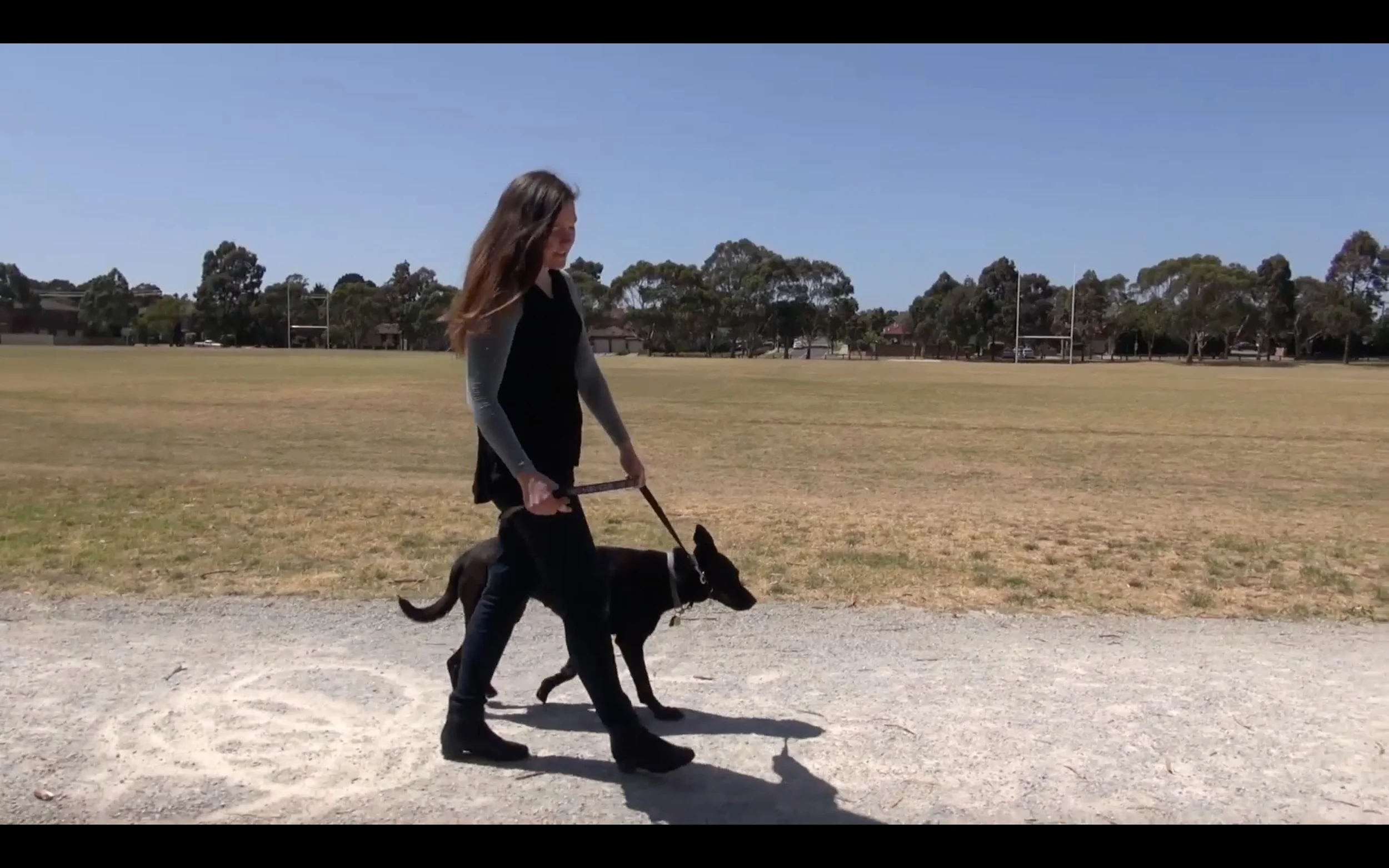
Animal Fostering
Logline: Love dogs? Want to be an animal foster carer? Here's how.
Length: 3:08
Reporter: Joceline Loo
Producer: Joceline Loo
1. Why did you decide to focus on animal fostering?
I have been a volunteer in the animal welfare sector for almost five years now and have been a foster carer for rescued dogs back in Singapore. Animal fostering is something that many people outside of the animal welfare community are unaware of. Through this short film, I would like to get the word out and it is an excellent way to learn the ropes. You could also find out if you could be a good and responsible pet owner with your lifestyle and how to give the foster dog a faster rehabilitation process and learn to live in a home environment.
2. What did you learn about the topic that you didn’t know about before you made the film?
As mentioned earlier, I know quite a bit about foster caring for animals. Through this process, I learnt a lot about the culture of having pets here in Melbourne and because of the extra space that many have here (many of us live in apartments in Singapore), the pets get to play and have fun in the gardens and yards.
3. How many animal foster carers are there in Melbourne in Australia? Which organisations do they work alongside?
There is no real collated data collected on how many foster carers there are in Melbourne, and it is largely dependent on one’s commitment level. Some may end up adopting the foster dog and others enjoy the experience and continue volunteering as a foster carer. But many organisations, especially small rescue groups, rely heavily on foster carers as they do not have a shelter space to house the rescued animal and the number of animals they rescue will often depend on if there is a foster home available to temporarily house and care for the rescued animal.
Some foster carers work independent from organisations and help anyone whenever they can, sometimes even individual rescuers. Others do attach themselves to an animal rescue organisation that they are familiar and have a good working relationship.
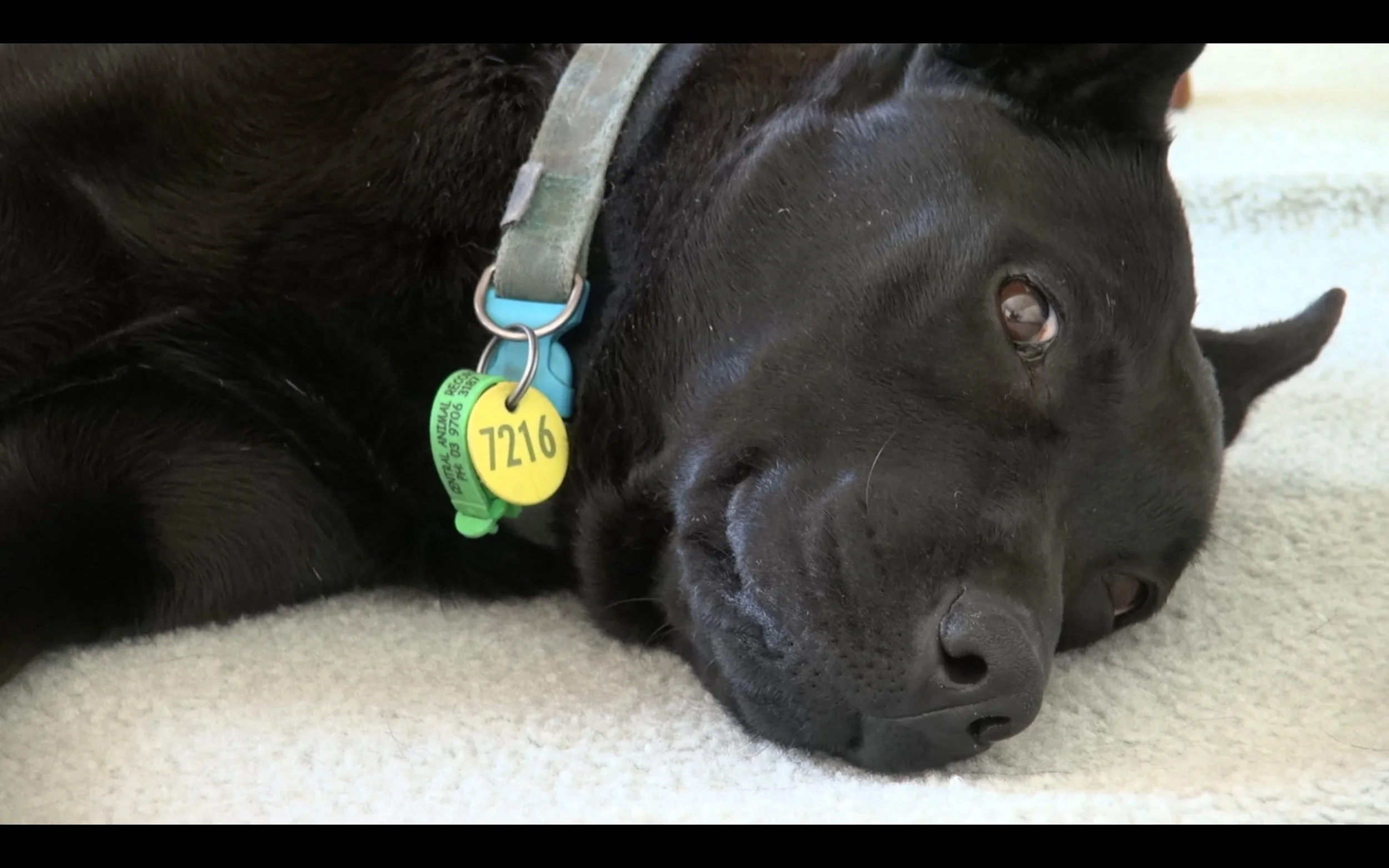
Animal Fostering
4. Why did you decide to focus on dogs and not cats?
In the full video, the primary interviewee, Kianna, actually fosters cats as well and had spoken about her experience. I had approached other rescue organisation for cats but the filming window just could not match their schedules.
5. You’re currently studying journalism at Monash. Where would you like to work after you graduate?
I would love to continue creating video works and documentaries and in fact, I am currently working on my next one. I have a great passion in telling untold stories, giving attention and create discussions on issues that matter in our generation.
6. What type of feedback have you received so far about the film?
Feedback has been great so far! I had some constructive comments and filming tips that I will work with for my next project.
7. Has the feedback surprised or challenged your point of view?
Many who saw the film told me that they learnt something new and wanted to know more. By hearing that, I feel that I have achieved my aim with this film, which is to get people thinking and discussing animal fostering.
8. What are you looking to achieve by having your film more visible on this platform?
I would love a wider reach, to get the message of foster caring out as it is a crucial process in the rehabilitation stage of a rescued dog’s life and you would come out as a changed person from the experience as a foster carer. Even if there is no capacity to offer foster care for rescues, I would love that it would spread the message of animal welfare work and get people to think of ways they could support it.
9. Who do you need to come on board (producers, sales agents, buyers, distributors, film festival directors, journalists) to amplify this film’s message?
I am hoping for film festival directors and press to come on board to be able to get the message of the film to a wider audience.